Digital Twins & Remote Work: Boosting US Enterprise Efficiency by 18%
US enterprises are increasingly adopting digital twins to revolutionize remote collaboration, a strategic move projected to enhance operational efficiency by 18% by 2026. This technology creates dynamic virtual replicas, enabling real-time interaction and decision-making for distributed teams.
US enterprises are increasingly adopting digital twins to revolutionize remote collaboration, a strategic move projected to enhance operational efficiency by 18% by 2026. This technology creates dynamic virtual replicas, enabling real-time interaction and decision-making for distributed teams.
The landscape of enterprise operations is in constant flux, driven by technological advancements and evolving work paradigms. One of the most compelling shifts reshaping this environment is the integration of digital twins into remote collaboration strategies. This innovative approach is not merely a passing trend; it represents a fundamental rethinking of how distributed teams interact with complex physical assets and processes. By 2026, it is projected that US enterprises leveraging digital twins remote work solutions will see an impressive 18% increase in overall efficiency, marking a significant leap forward in productivity and operational excellence. This article delves into the transformative power of digital twins, exploring their adoption, benefits, and the challenges US businesses face in harnessing this cutting-edge technology for a more efficient and collaborative future.
Understanding digital twins in the enterprise context
Digital twins are more than just 3D models; they are dynamic, virtual replicas of physical assets, processes, or systems. These sophisticated simulations are continuously updated with real-time data from their physical counterparts, offering an unparalleled level of insight and control. In an enterprise setting, this means creating a living, breathing digital copy of anything from a manufacturing plant to a supply chain, allowing for comprehensive monitoring and predictive analysis.
The core concept of a digital twin revolves around bridging the gap between the physical and digital worlds. Sensors on physical objects collect data, which is then fed into the digital model. This constant data flow ensures the digital twin accurately reflects the current state and behavior of its real-world counterpart. This fidelity is crucial for enterprises looking to optimize operations, predict maintenance needs, and design more efficient systems.
The evolution of digital twin technology
Initially conceived by NASA for spacecraft management, digital twin technology has evolved dramatically. Early applications were primarily in high-stakes engineering and manufacturing. However, advancements in IoT, AI, machine learning, and cloud computing have broadened its applicability across various industries. Today, digital twins are becoming accessible and scalable for a wider range of enterprise uses.
Early stages: Limited to complex, high-value assets.
Current state: Widespread adoption in manufacturing, healthcare, smart cities, and energy.
Future outlook: Integration with metaverse technologies for even more immersive collaboration.
This evolution has been fueled by the increasing affordability of sensors and processing power, making it feasible for companies of all sizes to explore and implement digital twin solutions. The ability to simulate scenarios, test changes virtually, and gain real-time operational insights without disrupting physical processes offers immense value.
The imperative for remote collaboration in US enterprises
The shift towards remote and hybrid work models has accelerated significantly in recent years, particularly within US enterprises. This transformation, initially driven by global events, has now become a strategic advantage, offering flexibility, access to a wider talent pool, and potential cost savings. However, maintaining effective collaboration among distributed teams, especially when dealing with physical assets, presents unique challenges.
Traditional methods of remote collaboration often fall short when physical presence is critical, such as in manufacturing, construction, or field services. Without a shared physical space, teams struggle with communication breakdowns, delays in decision-making, and difficulties in visualizing complex problems. This is where the integration of digital twins becomes not just beneficial, but essential for bridging these operational gaps.
Challenges of traditional remote collaboration
Despite advancements in communication tools, several hurdles persist for physically dispersed teams:
Lack of shared context: Difficult to convey complex physical layouts or operational issues without being on-site.
Delayed decision-making: Information silos and time zone differences can slow down critical responses.
Inefficient problem-solving: Troubleshooting physical issues remotely without visual or interactive feedback is often cumbersome.
These challenges highlight the need for more sophisticated tools that can replicate the benefits of in-person interaction, allowing teams to work together seamlessly regardless of their geographical location. The demand for solutions that enhance shared understanding and real-time problem-solving is growing rapidly.
The imperative for US enterprises to embrace advanced remote collaboration tools is clear. It’s no longer about simply connecting people, but about enabling them to interact with their work environment and each other in a way that fosters efficiency and innovation. Digital twins offer a powerful answer to this need, providing a virtual common ground where physical realities can be collaboratively explored and manipulated.
How digital twins enhance remote collaboration
Digital twins revolutionize remote collaboration by providing a shared, immersive, and data-rich virtual environment. Instead of relying on static blueprints or verbal descriptions, remote teams can interact with a live, dynamic replica of a physical asset or system. This capability transforms how design reviews, operational monitoring, and maintenance planning are conducted, making them far more efficient and effective.
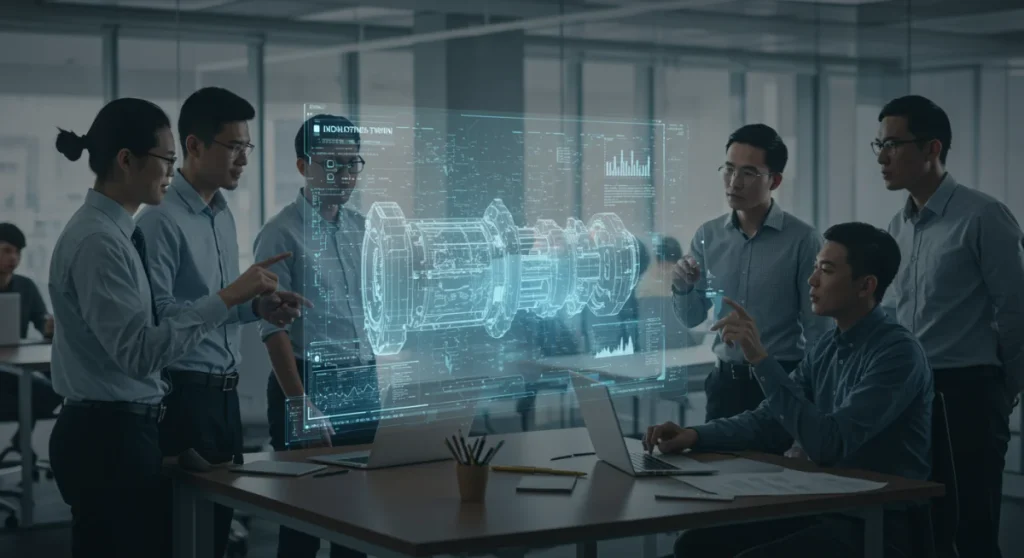
Imagine engineers in different states collaboratively inspecting a virtual model of a new product, making real-time adjustments, and immediately seeing the impact of those changes. Or a global operations team monitoring the performance of a factory from their respective homes, identifying potential issues before they escalate, all within the digital twin. This level of shared understanding and instantaneous feedback is unprecedented.
Key mechanisms for enhanced collaboration
Several features of digital twins contribute to improved remote teamwork:
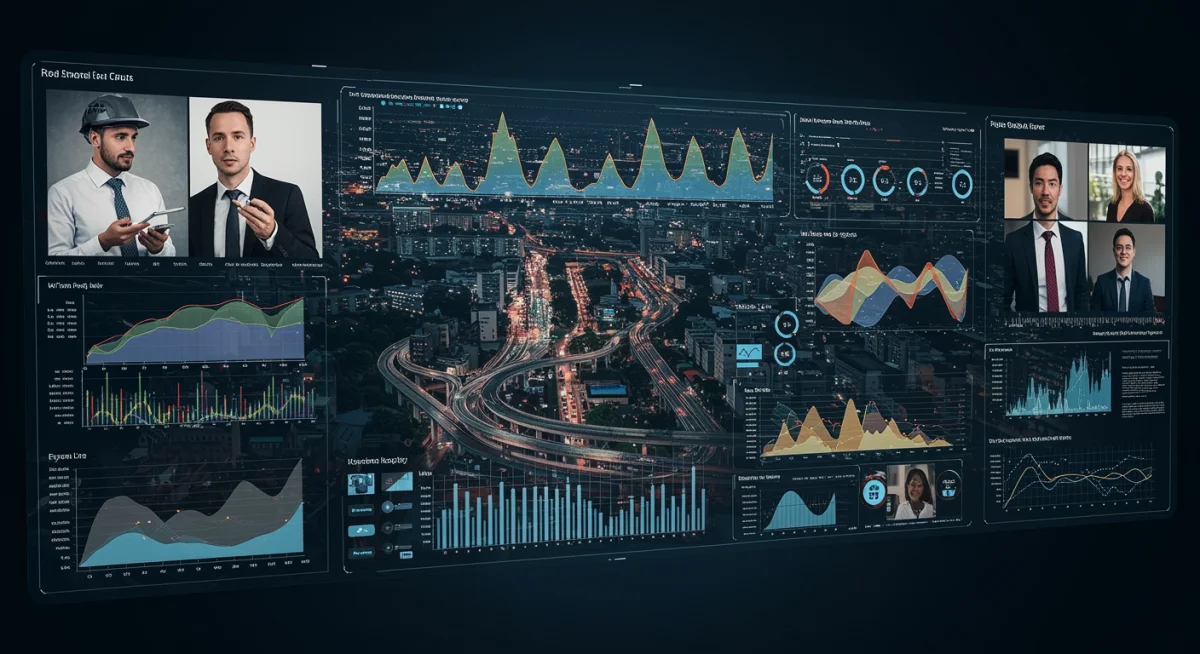
Real-time data visualization: Teams can see operational data overlayed onto the virtual model, providing immediate context.
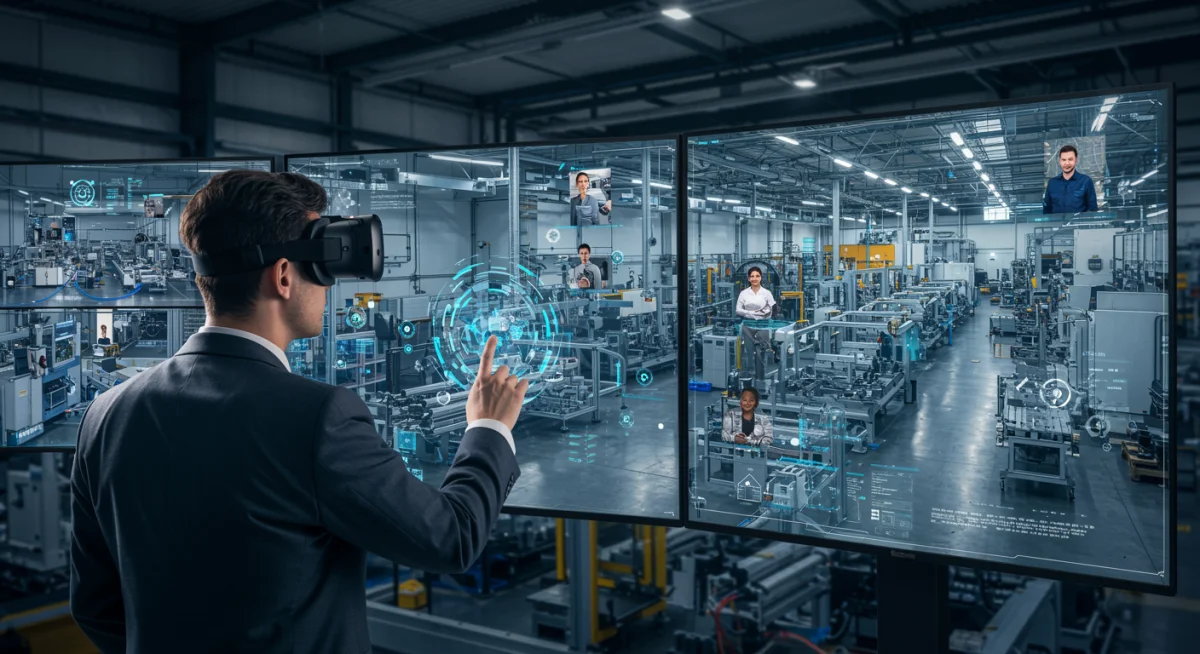
Immersive interaction: VR/AR integration allows for ‘hands-on’ interaction with the digital twin, enhancing understanding.
Simulation and scenario planning: Teams can run ‘what-if’ scenarios together, testing solutions without risk.
Centralized information hub: The digital twin acts as a single source of truth for all asset-related data and documentation.
These mechanisms foster a more engaging and productive collaborative environment. The ability to visualize and manipulate complex data in a spatial context helps overcome the inherent limitations of traditional two-dimensional communication methods, making remote work more intuitive and less prone to misinterpretation.
Furthermore, digital twins facilitate asynchronous collaboration. Team members can leave notes, highlight areas of concern, or propose changes within the digital model, which can then be reviewed by others at their convenience. This flexibility is particularly valuable for global teams working across different time zones, ensuring continuous progress and informed decision-making.
Projected efficiency gains and economic impact
The projected 18% increase in efficiency by 2026 for US enterprises adopting digital twins in remote collaboration is a powerful indicator of this technology’s economic impact. This efficiency gain isn’t merely theoretical; it stems from tangible improvements across various operational areas, translating directly into cost savings, accelerated time-to-market, and enhanced competitive advantage. Enterprises are recognizing that the investment in digital twin technology yields significant returns.
The economic impact extends beyond individual enterprises, fostering innovation and creating new job opportunities in areas like data science, AI engineering, and virtual reality development. As more companies integrate digital twins, a robust ecosystem of supporting technologies and services is emerging, further solidifying its role as a key driver of economic growth in the US.
Key areas of efficiency improvement
Digital twins contribute to efficiency in several critical ways:
Reduced travel costs: Less need for on-site visits for inspections, maintenance, or design reviews.
Faster decision cycles: Real-time data and collaborative simulation accelerate problem-solving and strategic choices.
Optimized resource allocation: Better planning through predictive analytics minimizes waste and maximizes utilization.
These improvements directly impact the bottom line, allowing enterprises to reallocate resources to innovation and growth initiatives. The ability to fine-tune processes and predict outcomes with greater accuracy leads to a more agile and responsive business model, crucial in today’s fast-paced market.
Moreover, the enhanced collaboration capabilities fostered by digital twins lead to higher quality outputs and reduced errors. By identifying design flaws or operational inefficiencies in the virtual realm before physical implementation, companies save substantial amounts of time and money. This proactive approach to problem-solving is a cornerstone of the projected efficiency improvements, positioning digital twins as a strategic asset for future-proofing US enterprises.
Implementation challenges and strategic considerations
While the benefits of digital twins for remote collaboration are compelling, their successful implementation within US enterprises is not without challenges. These hurdles range from technological complexities and data integration issues to organizational resistance and the need for new skill sets. Addressing these considerations strategically is paramount for maximizing the investment and realizing the projected efficiency gains.
Enterprises must adopt a phased approach, starting with pilot projects to demonstrate value and build internal expertise. It’s also crucial to involve stakeholders from various departments early in the process to ensure alignment and foster a culture of adoption. Overlooking these strategic considerations can lead to costly delays and suboptimal outcomes, hindering the transformative potential of digital twins.
Overcoming implementation hurdles
Key challenges and their strategic solutions include:
Data integration: Unifying disparate data sources requires robust integration platforms and data governance strategies.
Talent gap: Investing in training for existing employees and recruiting specialists in AI, IoT, and simulation.
Initial investment: Clearly articulating ROI to secure executive buy-in and phased budgeting.
The complexity of integrating digital twins into existing IT infrastructure often requires significant planning and resources. Compatibility with legacy systems, ensuring data quality, and establishing secure data pipelines are foundational steps. Enterprises must also consider the scalability of their digital twin solutions, ensuring they can grow and adapt to future needs without extensive overhauls.
Furthermore, the human element is crucial. Employees need to be educated on the benefits of digital twins and trained on how to effectively use them. Change management strategies are essential to overcome resistance and ensure a smooth transition to new collaborative workflows. By proactively addressing these challenges, US enterprises can pave the way for a successful and impactful digital twin adoption.
Case studies and industry adoption trends
The adoption of digital twins for remote collaboration is gaining significant traction across various industries within the US, moving from theoretical discussions to practical, impactful applications. Examining real-world case studies provides concrete evidence of the technology’s efficacy and illustrates the diverse ways enterprises are leveraging digital twins to drive efficiency and innovation. These examples showcase how different sectors are adapting the technology to their specific operational needs.
Industry trends indicate a growing recognition of digital twins as a cornerstone of digital transformation strategies. Sectors that traditionally rely heavily on physical assets and complex processes, such as manufacturing, energy, and construction, are leading the charge. However, the technology’s application is expanding rapidly into other areas, including healthcare, retail, and urban planning, demonstrating its versatility and broad applicability.
Notable industry applications
Several industries are seeing transformative results:
Manufacturing: Companies like General Electric are using digital twins to monitor jet engines, predicting maintenance needs and optimizing performance remotely.
Energy: Oil and gas companies are deploying digital twins of offshore platforms to enable remote inspections and hazard identification, improving safety and efficiency.
Construction: Firms are creating digital twins of building projects, allowing architects, engineers, and contractors to collaborate on design and progress tracking from anywhere.
Healthcare: Hospitals are exploring digital twins of operating rooms to optimize surgical workflows and equipment placement, enhancing patient safety and efficiency.
These examples highlight the varied applications and the significant impact digital twins are having on operational efficiency and remote capabilities. The ability to create a virtual replica of complex systems allows for unprecedented levels of oversight and collaborative problem-solving, regardless of geographical distance.
The trend towards greater adoption is also fueled by the increasing maturity of supporting technologies. Cloud platforms, advanced analytics, and improved connectivity are making digital twin solutions more accessible and powerful. As these technologies continue to evolve, we can expect to see even more sophisticated applications and broader integration across the US enterprise landscape, further solidifying the projected 18% efficiency gain.
The future outlook: 2026 and beyond for digital twins
Looking towards 2026 and beyond, the trajectory for digital twins in US enterprises, particularly concerning remote collaboration, is one of accelerated growth and deeper integration. The projected 18% efficiency increase is merely a benchmark on a path towards even more profound transformations. The technology is expected to become an indispensable component of enterprise infrastructure, evolving from a specialized tool to a ubiquitous enabler of intelligent operations and seamless remote interaction.
The future will see digital twins becoming more autonomous, leveraging advanced AI to not only monitor but also proactively manage and optimize physical systems. This shift will empower remote teams with predictive capabilities that transcend current limitations, fostering an environment where operational challenges are often resolved before they even manifest, further enhancing overall business agility.
Emerging trends and advancements
Several key trends will shape the future of digital twins:
Hyper-realistic simulations: Integration with advanced graphics and haptic feedback for more immersive remote experiences.
AI-driven autonomy: Digital twins will increasingly use AI to make autonomous decisions and recommendations for their physical counterparts.
Cross-domain integration: Greater interoperability between digital twins from different systems and industries, creating a ‘system of systems’ approach.
Metaverse integration: The fusion of digital twins with metaverse platforms will enable highly collaborative, persistent virtual workplaces.
The continuous evolution of IoT sensors, coupled with more powerful edge computing capabilities, will allow for even richer and more real-time data feeds into digital twins. This will enhance their accuracy and responsiveness, making them invaluable assets for dynamic environments and rapid decision-making in remote settings. The ability to process vast amounts of data closer to the source will significantly reduce latency and improve the fidelity of the virtual replicas.
Ultimately, the future of digital twins in remote collaboration is about creating a truly unified operational environment, where physical and digital realms merge seamlessly. This will not only boost efficiency but also unlock new possibilities for innovation, allowing US enterprises to maintain a competitive edge in an increasingly global and distributed economy.
Key Aspect
Brief Description
Efficiency Boost
US enterprises expect an 18% efficiency increase by 2026 through digital twin adoption for remote collaboration.
Remote Collaboration
Digital twins provide a shared, immersive virtual environment for distributed teams to interact with physical assets.
Implementation Challenges
Data integration, talent gaps, security, and initial investment are key hurdles requiring strategic planning.
Future Outlook
Beyond 2026, digital twins will become more autonomous, AI-driven, and integrated with metaverse platforms.
Frequently asked questions about digital twins and remote work
What exactly is a digital twin in the context of remote work?▼
A digital twin is a virtual replica of a physical asset, process, or system that is continuously updated with real-time data. For remote work, it allows distributed teams to interact, monitor, and analyze these virtual models as if they were physically present, enabling collaborative decision-making and problem-solving from anywhere.
How do digital twins contribute to improved efficiency in remote collaboration?▼
Digital twins enhance efficiency by providing real-time data visualization, immersive interaction, and simulation capabilities. This facilitates faster decision-making, reduces the need for costly physical travel, optimizes resource allocation, and enables proactive maintenance, all contributing to significant operational gains for remote teams.
What industries in the US are primarily adopting digital twins for remote work?▼
Industries heavily reliant on physical assets and complex operations are leading the adoption. This includes manufacturing, energy, construction, and increasingly, healthcare and urban planning. These sectors benefit from the ability to monitor, manage, and collaborate on physical systems remotely, enhancing safety and productivity.
What are the main challenges for US enterprises implementing digital twins?▼
Key challenges include integrating disparate data sources, addressing the talent gap by training or hiring specialists, ensuring robust cybersecurity for sensitive data, and managing the initial investment. Strategic planning, phased implementation, and strong stakeholder engagement are crucial for overcoming these hurdles.
What is the long-term outlook for digital twins in remote collaboration beyond 2026?▼
Beyond 2026, digital twins are expected to become more autonomous and AI-driven, capable of proactive management and optimization. They will also integrate more deeply with metaverse platforms, creating highly immersive and persistent virtual collaborative environments, further transforming how US enterprises operate and innovate remotely.
Conclusion
The journey of US enterprises towards leveraging digital twins for remote collaboration is a testament to the dynamic evolution of the modern workplace. The projected 18% increase in efficiency by 2026 is not an arbitrary figure, but a reflection of the profound impact this technology is already having on operational models, decision-making processes, and overall productivity. Digital twins are bridging the physical and digital divide, enabling distributed teams to interact with complex assets and systems with unprecedented clarity and control. While challenges in implementation exist, strategic planning and continuous innovation are paving the way for wider adoption. As we move further into the future, digital twins will undoubtedly become a cornerstone of enterprise strategy, fostering a more agile, resilient, and collaborative work environment that redefines the very essence of efficiency in a connected world.