2026 Economic Outlook: Key Indicators for U.S. Households
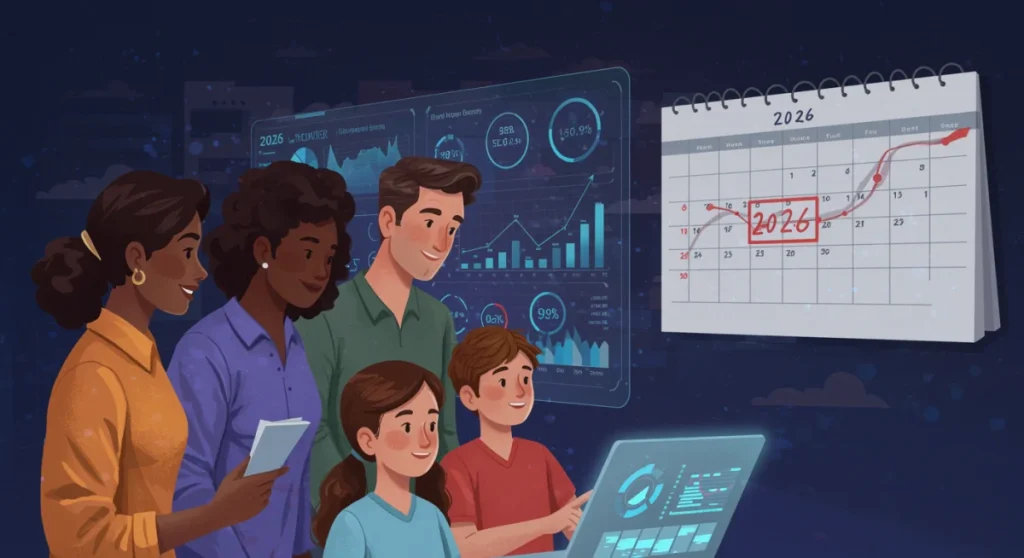
The 2026 economic outlook for U.S. households hinges on crucial indicators like inflation, interest rates, employment rates, and wage growth, directly influencing purchasing power, savings, and overall financial stability.
The 2026 economic outlook for U.S. households hinges on crucial indicators like inflation, interest rates, employment rates, and wage growth, directly influencing purchasing power, savings, and overall financial stability.
As we approach 2026, understanding the 2026 economic outlook is paramount for U.S. households. The landscape of personal finance, investment, and daily living is shaped by a complex interplay of macroeconomic forces, and being prepared means staying informed about the key indicators that will dictate the financial future.
Understanding the Macroeconomic Landscape for 2026
The U.S. economy in 2026 is projected to navigate a path influenced by lingering effects from previous years, coupled with new challenges and opportunities. Economists are closely monitoring a range of factors, from global supply chain stability to domestic consumer spending patterns, to paint a comprehensive picture of what lies ahead. This overarching view is crucial for individual households to make informed decisions.
The resilience of the American consumer, historically a driving force of economic growth, will be tested against evolving inflationary pressures and the Federal Reserve’s monetary policy stance. Understanding these broader trends provides the necessary context for dissecting more specific indicators.
Global Influences on the U.S. Economy
The interconnectedness of the global economy means that events far beyond U.S. borders can significantly impact domestic households. Geopolitical stability, international trade agreements, and the economic performance of major trading partners all play a role in shaping the U.S. outlook.
Global Supply Chains: Continued efforts to diversify and strengthen supply chains could mitigate future disruptions, affecting product availability and prices for consumers.
International Trade Policies: Any shifts in trade tariffs or agreements could alter import/export costs, influencing domestic manufacturing and retail prices.
Energy Prices: Global oil and gas production and demand will continue to dictate energy costs, impacting everything from transportation to utility bills for households.
In essence, the macroeconomic landscape of 2026 is a tapestry woven from both domestic strengths and global dynamics. For U.S. households, this means a need to be adaptable and aware of how these larger forces translate into everyday financial realities, reinforcing the importance of a proactive approach to financial planning.
Inflationary Pressures and Consumer Purchasing Power
Inflation has been a dominant theme in recent years, and its trajectory into 2026 remains a critical concern for U.S. households. The rate at which prices for goods and services increase directly impacts the purchasing power of every dollar earned. Understanding the forces behind inflation, and how it is expected to evolve, is vital for budgeting and financial stability.
Economists are looking at a combination of demand-side factors, such as robust consumer spending, and supply-side constraints, including labor shortages and raw material costs, to predict inflationary trends. The Federal Reserve’s actions, particularly regarding interest rates, are also key in controlling price stability.
Core Inflation vs. Headline Inflation
When discussing inflation, it’s important to distinguish between headline inflation, which includes volatile food and energy prices, and core inflation, which excludes them. Core inflation often provides a clearer picture of underlying price trends, as it’s less affected by temporary shocks.
Headline Inflation: While potentially volatile, it directly impacts household budgets through daily expenses like groceries and gasoline.
Core Inflation: Offers insights into persistent price pressures stemming from broader economic conditions, influencing long-term financial planning.
For U.S. households, persistent high inflation means that salaries might not stretch as far, requiring adjustments to spending habits and a greater focus on saving and investing strategies that can outpace rising costs. Conversely, a moderation in inflation could provide much-needed relief, allowing for greater financial flexibility and improved living standards.
Interest Rates: Impact on Borrowing and Savings
The Federal Reserve’s stance on interest rates will continue to be a pivotal factor shaping the financial decisions of U.S. households in 2026. Interest rates directly influence the cost of borrowing for everything from mortgages and auto loans to credit card debt, while also affecting the returns on savings accounts and other investments.
Current projections suggest a continued focus on maintaining price stability, which implies that interest rate adjustments will be carefully calibrated based on inflation data and employment figures. Households need to monitor these movements closely, as even small changes can have significant implications for their financial health.
Mortgage Rates and Housing Affordability
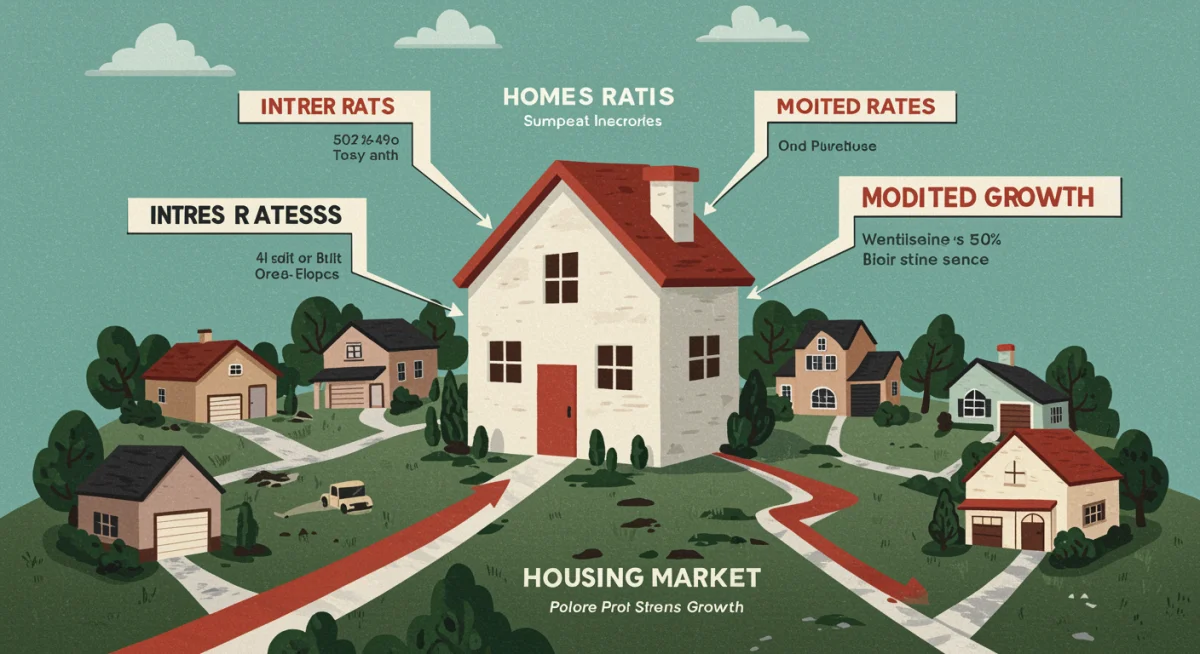
For many Americans, housing is their largest expense and investment. Mortgage rates, directly tied to broader interest rate trends, play a crucial role in determining housing affordability. Higher rates can make homeownership less accessible and increase monthly payments for new borrowers or those looking to refinance.
Fixed-Rate Mortgages: Offers stability in monthly payments, but current rates will determine initial affordability.
Adjustable-Rate Mortgages (ARMs): Payments can fluctuate with market rates, introducing both potential savings and risks.
Home Equity: Rising interest rates can impact the cost of home equity loans or lines of credit, affecting how homeowners leverage their property’s value.
On the flip side, higher interest rates can be beneficial for savers, as they typically lead to better returns on savings accounts, certificates of deposit (CDs), and money market accounts. This dual impact means households must strategically balance their borrowing needs with their savings goals, adapting to the prevailing interest rate environment to optimize their financial outcomes.
Employment Trends and Wage Growth Projections
The health of the labor market is a cornerstone of household financial well-being. In 2026, employment trends and wage growth projections will significantly influence consumer confidence, spending capacity, and overall economic stability for U.S. households. A robust job market, characterized by low unemployment and competitive wage increases, empowers individuals and families to meet their financial obligations and pursue their aspirations.
Experts anticipate continued shifts in the labor landscape, driven by technological advancements, evolving industry demands, and demographic changes. Understanding these dynamics is crucial for both job seekers and those planning their career trajectories.
Sector-Specific Job Growth
While the overall employment picture is important, specific sectors are expected to experience varying rates of growth. Industries like technology, healthcare, and renewable energy are often cited as areas with strong potential for job creation and wage appreciation.
Technology Sector: Continued innovation in AI, software development, and data science is likely to fuel demand for skilled professionals.
Healthcare and Social Assistance: An aging population and advancements in medical care will sustain growth in these vital sectors.
Green Economy: Investments in sustainable technologies and infrastructure are creating new opportunities in renewable energy and environmental services.
Wage growth, while beneficial for individual households, also plays a role in inflationary pressures. A balance between strong wage growth and controlled inflation is ideal for sustained economic health. For households, staying informed about these trends can guide career decisions, skill development, and financial planning, ensuring they are well-positioned within the evolving job market.
Consumer Spending and Savings Behavior
Consumer spending is a powerful engine of the U.S. economy, and its patterns in 2026 will profoundly impact businesses and households alike. The willingness and ability of Americans to spend on goods and services will be closely tied to their confidence in the economic future, their employment prospects, and the prevailing inflationary environment. However, equally important is the trend in household savings, which provides a buffer against economic uncertainties and fuels future investments.
Analysts will be scrutinizing retail sales data, consumer confidence surveys, and personal savings rates to gauge the overall health of household finances. These indicators offer insights into how effectively households are managing their income and planning for the future.
Factors Influencing Consumer Confidence
Consumer confidence is a psychological barometer that reflects how optimistic people are about their financial future and the broader economy. Several factors contribute to this sentiment:
Job Security: A stable job market with ample opportunities boosts confidence.
Inflation Expectations: Lower expectations for future price increases encourage spending.
Wage Growth: Perceived increases in real wages (after accounting for inflation) enhance spending power.
Interest Rates: Favorable borrowing conditions can stimulate purchases of big-ticket items.
On the savings front, households are likely to continue balancing immediate consumption with long-term financial goals, such as retirement planning, education funding, and emergency savings. The interplay between spending and saving will be a key determinant of overall economic resilience and individual household stability in the coming year.
The Housing Market: Affordability and Investment
The U.S. housing market remains a critical component of the national economy and a significant asset for many households. Heading into 2026, the market is expected to continue adjusting to a new equilibrium, influenced by shifts in interest rates, housing supply, and demographic trends. For homeowners, potential buyers, and renters, understanding these dynamics is essential for making strategic decisions.
Affordability will likely remain a central theme, as rising home prices in some regions and elevated mortgage rates present challenges for many. However, the market is also characterized by regional variations, with some areas experiencing more balanced conditions.
Key Factors Shaping the Housing Market
Several interconnected factors will shape the supply and demand dynamics of the housing market:
Interest Rates: The Federal Reserve’s monetary policy directly impacts mortgage rates, influencing borrowing costs and buyer demand.
Housing Inventory: The availability of homes for sale continues to be a crucial factor, affecting price competition and market accessibility.
Demographic Shifts: Millennial and Gen Z buyers entering prime homeownership ages will contribute to demand, while an aging population may lead to more homes entering the market.
Construction Activity: New home construction plays a vital role in alleviating supply shortages and moderating price growth.
For U.S. households, the housing market in 2026 will represent both opportunities and challenges. Whether looking to buy, sell, or rent, staying informed about local market conditions, mortgage rate forecasts, and housing policy changes will be paramount for navigating this complex and significant sector of the economy.
Government Policy and Regulatory Environment
Government policies and the regulatory environment will play a substantial role in shaping the 2026 economic outlook for U.S. households. Fiscal policies, including taxation and government spending, directly influence disposable income and economic activity. Monetary policies, orchestrated by the Federal Reserve, control interest rates and the money supply, impacting everything from inflation to investment returns. Furthermore, regulatory changes across various sectors can create both opportunities and constraints for businesses and consumers.
Anticipated legislative actions and the ongoing implementation of existing laws will need careful monitoring. These governmental levers are powerful tools that can either stimulate growth, temper inflation, or address social and economic disparities, all of which have direct implications for the financial well-being of American families.
Key Policy Areas to Watch
Several areas of government policy will be particularly impactful:
Fiscal Policy: Debates around federal spending on infrastructure, social programs, and defense, alongside potential tax reforms, will influence national debt and household budgets.
Monetary Policy: The Federal Reserve’s decisions on the federal funds rate will continue to be a primary driver of borrowing costs and savings returns.
Energy Policy: Policies related to renewable energy, fossil fuels, and climate change can affect utility costs and job creation in specific industries.
Healthcare Policy: Changes in healthcare legislation could impact insurance premiums, out-of-pocket expenses, and access to medical services for households.
For U.S. households, understanding the direction of government policy is not merely an academic exercise; it’s a practical necessity. These policies can create incentives for saving or investing, alter the cost of living, and shape the very jobs available in the economy. Staying informed about legislative developments and regulatory shifts empowers households to anticipate changes and adapt their financial strategies accordingly, ensuring they are prepared for the evolving economic landscape of 2026 and beyond.
Key Indicator
Household Impact
Inflation Rates
Affects purchasing power and cost of living.
Interest Rates
Influences borrowing costs (mortgages, loans) and savings returns.
Employment & Wages
Determines income stability and consumer confidence.
Housing Market
Impacts affordability, wealth accumulation, and rental costs.
Frequently Asked Questions About the 2026 Economic Outlook
How will inflation impact my daily expenses in 2026?▼
Inflation in 2026 is expected to moderate compared to recent peaks, but prices for certain goods and services may continue to rise. Households should monitor food, energy, and housing costs closely, as these are often the most impactful on daily budgets. Strategic budgeting and seeking value can help mitigate the effects.
What can U.S. households expect regarding interest rates?▼
Interest rates in 2026 are largely dependent on the Federal Reserve’s response to inflation and economic growth. While the peak of rate hikes might be behind us, rates could remain elevated. This means higher borrowing costs for loans and mortgages, but also potentially better returns on savings and CDs.
Will the job market remain strong for U.S. households?▼
The U.S. job market is projected to remain relatively robust, though some sectors may experience shifts. Continued demand for skilled labor, particularly in technology and healthcare, is anticipated. Wage growth might stabilize, offering a more predictable income environment for many households.
How will the housing market evolve for homeowners and buyers?▼
The housing market in 2026 is expected to continue its adjustment. While home price growth may moderate, high interest rates could keep affordability challenging for buyers. Inventory levels and local economic conditions will play a significant role. Renters may also see continued, albeit slower, increases in rental costs.
What role will government policy play in the 2026 economy?▼
Government fiscal and monetary policies will be crucial. Federal spending, potential tax adjustments, and the Federal Reserve’s interest rate decisions will directly influence inflation, employment, and overall economic stability. Households should stay informed on policy changes that could impact their finances.
Conclusion
The 2026 economic outlook for U.S. households presents a dynamic and evolving landscape, shaped by a confluence of global and domestic factors. While challenges such as persistent inflationary pressures and elevated interest rates may continue, the resilience of the labor market and strategic government policies offer pathways to stability. For American families, proactive financial planning, informed decision-making regarding spending and saving, and continuous awareness of key economic indicators will be paramount. By staying informed about inflation, interest rates, employment trends, the housing market, and government actions, households can navigate the coming year with greater confidence and secure their financial well-being.