Economic Indicators 2026: Quarterly Guide for Informed Decisions
This guide outlines the essential economic indicators to monitor quarterly in 2026, providing a clear framework for understanding market trends and making informed decisions across various sectors in the United States.
Monitoring economic indicators 2026 is crucial for individuals and businesses to navigate market volatility, anticipate shifts, and strategically plan for financial stability and growth in the evolving economic landscape.
Understanding the pulse of the economy is more vital than ever, and for 2026, a keen eye on key economic indicators 2026 will be paramount for informed decision-making. This guide offers a comprehensive look at the essential metrics you should track quarterly to stay ahead in a dynamic financial world, enabling you to anticipate market shifts and make strategic choices. Whether you are an investor, business owner, or simply an engaged citizen, grasping these indicators will provide invaluable insights into the economic trajectory of the United States.
Decoding Gross Domestic Product (GDP) in 2026
Gross Domestic Product (GDP) remains the most comprehensive measure of a nation’s economic activity. It represents the total monetary value of all finished goods and services produced within a country’s borders in a specific time period. For 2026, tracking GDP growth quarterly will offer critical insights into the overall health and expansion of the U.S. economy, indicating periods of prosperity or contraction.
A robust GDP growth rate typically signals a healthy economy, characterized by increased production, higher employment, and rising incomes. Conversely, a slowdown or contraction in GDP can indicate an impending recession or economic stagnation. Understanding the various components of GDP is also crucial, as each provides a different angle on economic activity and potential drivers of change.
Components of GDP and Their Significance
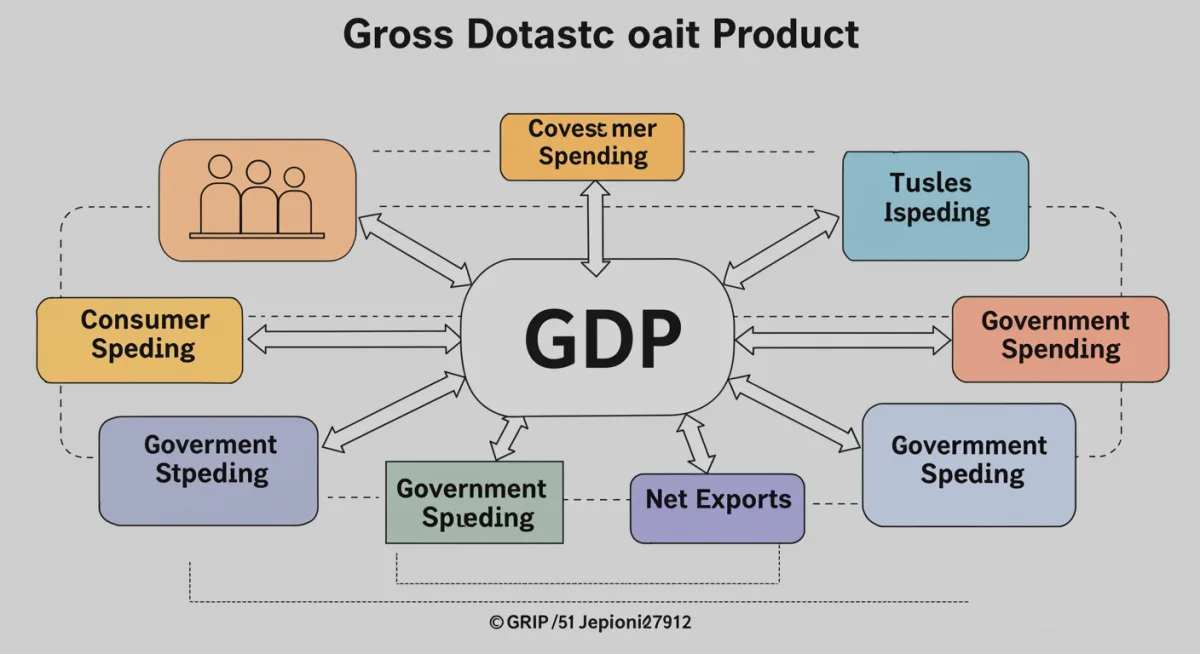
GDP is primarily composed of four major elements: consumer spending, business investment, government spending, and net exports. Each of these components contributes uniquely to the overall economic picture, and their individual trends can reveal underlying strengths or weaknesses.
Consumer Spending: This is often the largest component of GDP, reflecting household purchases of goods and services. A rise in consumer confidence and spending typically fuels economic growth.
Business Investment: Includes spending by businesses on capital goods, such as machinery, equipment, and inventories. High business investment suggests optimism about future economic conditions and capacity expansion.
Government Spending: Public sector expenditures on goods and services, including infrastructure projects and defense. Government spending can often provide a stabilizing force during economic downturns.
Net Exports: The difference between a country’s exports and imports. A positive net export figure contributes to GDP growth, while a negative one can detract from it.
Monitoring these components individually allows for a more nuanced understanding of economic shifts. For instance, if consumer spending is high but business investment is low, it might suggest a short-term boost rather than sustainable long-term growth. Analyzing these factors quarterly in 2026 will help anticipate broader economic movements and inform strategic financial planning.
Navigating Inflation and Price Stability in the New Year
Inflation, the rate at which the general level of prices for goods and services is rising, or equivalently, purchasing power is falling, will continue to be a central focus in 2026. High inflation erodes the value of money, impacting consumer purchasing power and business profitability. Central banks, particularly the Federal Reserve, closely monitor inflation to guide monetary policy decisions, which in turn influence interest rates and credit availability.
The target inflation rate for many central banks is typically around 2%, as this level is considered conducive to stable economic growth without significant price volatility. Deviations from this target, either too high or too low, can necessitate policy adjustments. Understanding the various measures of inflation and their implications will be essential for businesses and consumers alike in 2026.
Key Inflation Metrics to Watch
Several indicators help measure inflation, each with its own strengths and focuses. The most commonly cited are the Consumer Price Index (CPI) and the Personal Consumption Expenditures (PCE) price index.
Consumer Price Index (CPI): Measures the average change over time in the prices paid by urban consumers for a market basket of consumer goods and services. It is a widely recognized indicator for tracking the cost of living.
Personal Consumption Expenditures (PCE) Price Index: This index measures price changes for goods and services purchased by consumers. The Federal Reserve often prefers the core PCE (excluding volatile food and energy prices) as its primary inflation gauge, as it tends to be less volatile and a better indicator of underlying inflation trends.
Producer Price Index (PPI): Measures the average change over time in the selling prices received by domestic producers for their output. PPI can be an early indicator of inflationary pressures building up in the production pipeline before they reach consumers.
Analyzing these inflation metrics quarterly will provide a clearer picture of price stability, helping businesses adjust pricing strategies and consumers manage their budgets effectively. Persistent high inflation could lead to further interest rate hikes, impacting borrowing costs for both individuals and companies, while deflationary pressures could signal a weakening economy.
Understanding Employment Trends and Labor Market Dynamics
The health of the labor market is a powerful indicator of economic vitality. Strong employment figures signify a robust economy where businesses are expanding and consumers have disposable income to spend. Conversely, rising unemployment can indicate economic contraction and reduced consumer confidence. In 2026, closely monitoring various employment indicators will be crucial for assessing economic strength and anticipating shifts in consumer behavior.
A tight labor market, characterized by low unemployment and rising wages, can lead to increased consumer spending and economic growth. However, it can also contribute to inflationary pressures as businesses pass on higher labor costs to consumers. A weakening labor market, on the other hand, can dampen consumer demand and potentially lead to a recession.
Critical Labor Market Indicators
Several key metrics provide comprehensive insights into the labor market’s condition. Each offers a different perspective on job creation, wage growth, and overall employment stability.
Unemployment Rate: This widely watched indicator measures the percentage of the total labor force that is unemployed but actively seeking employment. A low unemployment rate generally signals a strong economy.
Non-Farm Payrolls: This report measures the number of new jobs created in the U.S. economy, excluding farm workers and certain government employees. It is a key indicator of job growth and economic expansion.
Wage Growth: Tracking average hourly earnings provides insight into the purchasing power of consumers and potential inflationary pressures. Sustained wage growth can support consumer spending.
Labor Force Participation Rate: This metric indicates the percentage of the working-age population that is either employed or actively looking for work. Changes here can reflect broader demographic shifts or economic sentiment.
Regularly reviewing these labor market statistics quarterly will enable better forecasts for consumer spending and economic demand. Businesses can use this information to plan hiring, manage labor costs, and anticipate shifts in consumer purchasing patterns, while policymakers utilize it to address unemployment and promote stable economic conditions.
Interest Rates and Monetary Policy: The Federal Reserve’s Influence
Interest rates are fundamental to the functioning of any economy, influencing everything from borrowing costs for individuals and businesses to the profitability of investments. The Federal Reserve, as the U.S. central bank, plays a pivotal role in setting monetary policy, primarily through adjustments to the federal funds rate. These decisions reverberate throughout the financial system, impacting economic activity and inflation.
In 2026, the Federal Reserve’s stance on interest rates will be a significant determinant of economic conditions. Whether the Fed opts for rate hikes to combat inflation or rate cuts to stimulate growth, these actions will have far-reaching implications for loans, mortgages, corporate investments, and overall market sentiment. Understanding the Fed’s dual mandate of maximum employment and price stability is key to interpreting its policy decisions.
Monitoring the Federal Reserve’s Actions
Beyond the federal funds rate, several other indicators and communications from the Federal Reserve provide valuable clues about future monetary policy and economic outlook.
Federal Funds Rate: The target rate for overnight lending between banks, directly influencing short-term interest rates across the economy. Changes signal the Fed’s view on inflation and economic growth.
Federal Open Market Committee (FOMC) Statements: These statements, released after each FOMC meeting, provide insights into the Fed’s economic assessment, policy decisions, and future outlook.
The Beige Book: A summary of economic conditions across the twelve Federal Reserve districts, offering anecdotal information that complements quantitative data.
Yield Curve: The relationship between interest rates and the time to maturity of debt, often used as a predictor of economic downturns when it inverts.
Staying informed about the Federal Reserve’s quarterly meetings, statements, and economic projections will be essential for anticipating shifts in interest rates and their subsequent impact on financial markets and the broader economy. Businesses can adjust their capital expenditure plans, and investors can re-evaluate their portfolios based on these critical monetary policy signals.
Consumer Confidence and Retail Sales: Gauging Spending Power
Consumer confidence and retail sales are critical indicators of the health of household spending, which, as previously noted, is a major driver of GDP. When consumers feel secure about their financial future and the broader economy, they are more likely to spend, boosting economic activity. Conversely, a decline in confidence can lead to reduced spending and a slowdown in economic growth. In 2026, these metrics will offer direct insights into the strength of consumer demand.
Retail sales data provides a tangible measure of consumer spending on goods, while consumer confidence surveys capture the sentiment and expectations of households regarding current and future economic conditions. Together, they offer a powerful snapshot of consumer behavior and its potential impact on businesses and markets.
Key Indicators for Consumer Behavior
Several reports and indices are specifically designed to measure consumer sentiment and spending patterns, providing valuable forward-looking and real-time data.
Consumer Confidence Index (CCI): Published by The Conference Board, this index measures consumer attitudes and buying intentions, providing insights into future spending trends.
University of Michigan Consumer Sentiment Index: Another widely followed survey that gauges consumer sentiment, including their outlook on personal finances and economic prospects.
Retail Sales Report: Released monthly by the U.S. Census Bureau, this report measures the total sales of retail goods and services. It is a direct indicator of consumer spending activity.
E-commerce Sales: Given the increasing shift to online shopping, tracking e-commerce sales provides a crucial segment of overall retail activity and consumer preferences.
Analyzing these indicators quarterly in 2026 will help businesses anticipate demand, adjust inventory levels, and refine marketing strategies. For investors, these metrics can signal potential shifts in corporate earnings and stock market performance. A sustained increase in both consumer confidence and retail sales typically points to a healthy and expanding economy.
Housing Market Data: A Foundation for Economic Stability
The housing market is a significant segment of the U.S. economy, impacting construction, finance, and consumer wealth. Its health is often seen as a bellwether for broader economic stability. A strong housing market can stimulate job creation, boost consumer confidence through rising home equity, and drive spending on household goods and services. Conversely, a downturn can lead to financial instability and reduced economic activity. Monitoring housing market data quarterly in 2026 will be essential for gauging economic resilience.
Factors such as interest rates, employment levels, and consumer confidence all play a crucial role in shaping housing market trends. Changes in these areas can quickly translate into shifts in housing demand, supply, and pricing. Understanding these interconnections is vital for anyone looking to interpret the broader economic landscape.
Essential Housing Market Metrics
Several key indicators offer a comprehensive view of the housing market’s condition, from new construction to existing home sales and price trends.
Housing Starts and Building Permits: These indicators measure the number of new residential construction projects initiated and approved. They reflect builder confidence and future housing supply.
Existing Home Sales: Tracks the sales of previously owned homes, providing insight into market demand and turnover. It is a large component of overall housing activity.
Median Home Prices: Monitors the average price of homes sold, indicating appreciation or depreciation in real estate values. This has a direct impact on homeowner wealth.
Mortgage Rates: The interest rates on home loans, which significantly influence housing affordability and buyer demand. Changes in mortgage rates can quickly alter market dynamics.
Tracking these housing market indicators quarterly will provide crucial insights into economic stability and future growth prospects. A healthy housing market often correlates with a strong economy, while signs of weakness can signal broader economic challenges. Businesses in related sectors, such as construction and home furnishings, rely heavily on this data for strategic planning.
Global Economic Trends and Geopolitical Factors in 2026
No economy operates in isolation, and the U.S. economy is particularly susceptible to global economic trends and geopolitical developments. International trade, global supply chains, and foreign investment all play significant roles in shaping domestic economic conditions. In 2026, staying attuned to global economic indicators and geopolitical events will be more important than ever, given the interconnectedness of markets and the potential for rapid shifts.
Events such as trade disputes, commodity price fluctuations, political instability in key regions, and global health crises can have immediate and profound impacts on U.S. businesses and consumers. Monitoring these external factors helps in understanding potential risks and opportunities that may not be evident from purely domestic indicators.
Key Global Indicators and Geopolitical Considerations
A broad range of international data and geopolitical insights should be on the radar for a complete economic picture.
Global GDP Growth: Tracking the economic performance of major trading partners and global economic blocs provides context for U.S. export demand and overall international trade.
Commodity Prices: Fluctuations in oil, natural gas, metals, and agricultural products can impact production costs for businesses and consumer prices, contributing to inflation or deflation.
Exchange Rates: The value of the U.S. dollar relative to other major currencies affects the competitiveness of U.S. exports and the cost of imports.
Geopolitical Risk Assessment: Monitoring political stability, conflicts, and international relations in critical regions can signal potential disruptions to global supply chains and financial markets.
Regularly assessing these global economic trends and geopolitical factors quarterly will provide a more comprehensive and forward-looking view of the economic landscape for 2026. Businesses with international operations need to be particularly vigilant, but even domestically focused companies can be affected by global supply chain disruptions or changes in international demand. Understanding these external forces is crucial for robust risk management and strategic planning.
Key Economic Indicator
Brief Description
Gross Domestic Product (GDP)
Measures the total value of goods and services produced, indicating overall economic growth or contraction.
Inflation (CPI/PCE)
Tracks the rate of price increases, impacting purchasing power and central bank policy decisions.
Unemployment Rate
Indicates labor market health and job availability, influencing consumer spending and economic demand.
Federal Funds Rate
The target interest rate set by the Federal Reserve, influencing borrowing costs and economic activity.
Frequently Asked Questions About 2026 Economic Indicators
Why is it important to monitor economic indicators quarterly?▼
Monitoring economic indicators quarterly allows for timely adjustments to financial strategies and business operations. Economic conditions can shift rapidly, and regular review helps individuals and businesses identify emerging trends, mitigate risks, and capitalize on new opportunities, ensuring decisions are based on the most current data available.
How does GDP growth affect my personal finances?▼
GDP growth generally correlates with job creation and higher wages, which can positively impact personal income and financial stability. A strong GDP often means a healthier job market, better investment returns, and increased consumer confidence, contributing to overall financial well-being and improved spending power.
What is the significance of the Federal Reserve’s interest rate decisions?▼
The Federal Reserve’s interest rate decisions significantly influence borrowing costs for mortgages, car loans, and business investments. Higher rates can cool inflation but make borrowing more expensive, while lower rates stimulate economic activity. These decisions directly affect consumer spending, business expansion, and investment returns.
Can consumer confidence predict future economic trends?▼
Yes, consumer confidence is a strong leading indicator. When consumers feel optimistic about the economy and their financial future, they are more likely to spend, invest, and make large purchases. This increased spending fuels economic growth, making consumer confidence a valuable metric for anticipating future economic activity.
Why are global economic trends important for the U.S. economy?▼
The U.S. economy is deeply integrated into the global market. Global economic trends, such as international trade, supply chain stability, and geopolitical events, directly impact U.S. exports, imports, business costs, and investment flows. Monitoring these trends is crucial for understanding external influences on domestic economic performance.
Conclusion
The economic landscape of 2026, while promising, will undoubtedly present its share of complexities and opportunities. By diligently tracking key economic indicators 2026 on a quarterly basis, individuals, businesses, and policymakers can gain a profound understanding of underlying trends and potential shifts. From the foundational measures of GDP and inflation to the nuanced insights provided by employment figures, consumer confidence, and housing data, each indicator offers a piece of the larger economic puzzle. Furthermore, recognizing the vital role of the Federal Reserve’s monetary policy and the pervasive influence of global economic and geopolitical factors will complete this comprehensive analytical framework. Informed decision-making, whether in personal finance, business strategy, or investment, hinges on a proactive and analytical approach to these critical metrics. Staying vigilant and adaptable in 2026 will be key to navigating economic currents successfully and achieving sustained growth and stability.