Edge vs. Cloud Computing: 2026 Cost-Benefit for US Data Processing
This analysis provides a comprehensive 2026 cost-benefit comparison of Edge Computing versus Cloud Computing for US data processing, highlighting potential savings of up to 15% for industries like manufacturing and healthcare, and guiding strategic technology investment decisions.
A 2026 cost-benefit analysis of Edge Computing versus Cloud Computing for US data processing reveals that specific industries could realize up to 15% savings by strategically adopting edge solutions, optimizing performance and operational expenditures.
In the rapidly evolving landscape of digital infrastructure, understanding the financial and operational implications of different data processing models is paramount. This article delves into a comprehensive Edge Computing vs. Cloud: A 2026 Cost-Benefit Analysis for US Data Processing, Revealing a Potential 15% Savings for Specific Industries, offering insights into how businesses can strategically leverage these technologies to optimize their operations and bottom line.
Understanding the Fundamentals: Edge and Cloud Defined
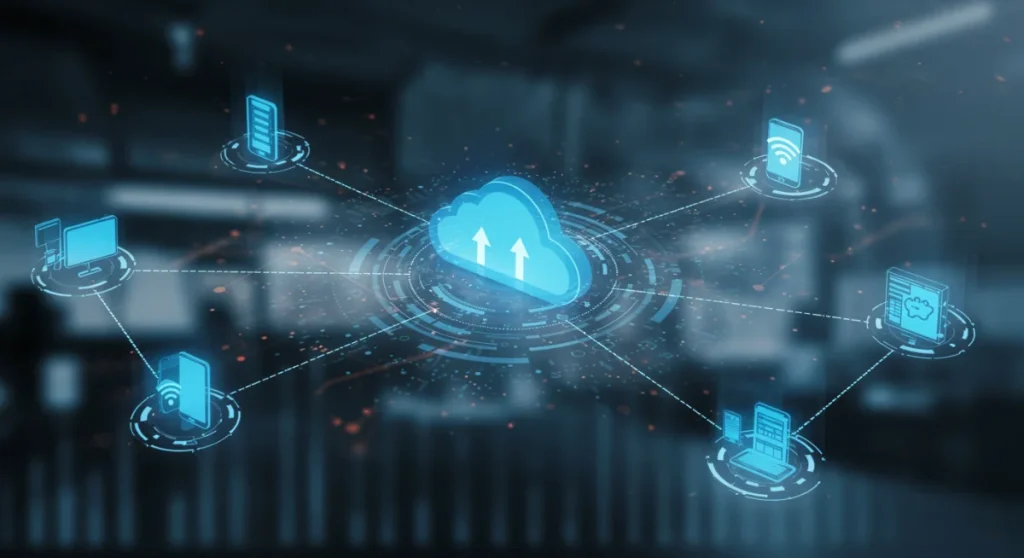
Before diving into the intricate cost-benefit analysis, it is crucial to establish a clear understanding of what edge computing and cloud computing entail. These two paradigms, while often seen as competing, are increasingly complementary, each offering distinct advantages depending on the application and business need.
Cloud computing, a well-established model, involves storing and accessing data and programs over the Internet instead of your computer’s hard drive. It offers immense scalability, flexibility, and reduced upfront infrastructure costs. Conversely, edge computing brings computation and data storage closer to the sources of data, reducing latency and bandwidth usage.
Cloud Computing’s Enduring Appeal
Cloud computing has revolutionized how businesses operate, providing on-demand access to a vast array of resources. Its benefits are numerous and well-documented:
Scalability: Easily scale resources up or down based on demand, avoiding over-provisioning.
Cost-Effectiveness: Convert capital expenditures (CapEx) to operational expenditures (OpEx), paying only for what you use.
Global Accessibility: Access data and applications from anywhere with an internet connection, fostering remote work and global collaboration.
Disaster Recovery: Robust backup and recovery options ensure business continuity.
Despite these advantages, the centralized nature of cloud computing can introduce latency for real-time applications and incur significant bandwidth costs, especially with large volumes of data being transferred continuously.
The Rise of Edge Computing
Edge computing addresses some of the inherent limitations of traditional cloud models, particularly for applications requiring immediate processing and localized data handling. It is not about replacing the cloud but extending its capabilities to the periphery of the network.
The primary drivers for edge adoption include the proliferation of IoT devices, the need for real-time analytics in industries like manufacturing and healthcare, and concerns over data privacy and security. By processing data closer to its source, edge computing minimizes the need to send all raw data to a central cloud, leading to faster response times and more efficient operations.
In essence, cloud computing offers a powerful, centralized processing hub, ideal for large-scale data storage and complex analytics that don’t require instantaneous responses. Edge computing, on the other hand, excels in scenarios demanding low latency, local processing, and reduced data transmission, often acting as a first line of defense for data before it potentially moves to the cloud.
Cost Components: Diving Deeper into Expenditures
A thorough cost-benefit analysis requires a detailed breakdown of the various financial components associated with both edge and cloud computing solutions. These components can vary significantly based on the scale of operations, industry requirements, and specific technology implementations.
For cloud computing, the primary costs typically revolve around subscription fees, data transfer (egress) charges, storage, and compute resources. While these are often pay-as-you-go, large enterprises can accumulate substantial monthly bills, especially with unpredictable data usage patterns or extensive data movement.
Cloud Cost Considerations
Understanding where cloud expenses accumulate is key to managing them effectively:
Compute Costs: Charges for virtual machines, containers, and serverless functions based on usage.
Storage Costs: Fees for storing data in various tiers, from hot storage for frequent access to archival storage for long-term retention.
Data Transfer Fees (Egress): Perhaps one of the most significant and often overlooked costs, egress fees are charged for moving data out of the cloud provider’s network.
Networking Costs: Related to virtual private clouds (VPCs), load balancers, and other network services.
Managed Services: Additional costs for databases, analytics platforms, AI/ML services, and other specialized tools.
Many organizations find their cloud costs escalating due to inefficient resource utilization, unoptimized data transfer strategies, and a lack of clear governance over cloud spending. This makes a strong case for careful planning and continuous monitoring.
Edge Computing Investment and Operational Costs
Edge computing, while reducing some cloud-related expenses, introduces its own set of cost considerations. These are often more CapEx-heavy initially but can lead to significant OpEx savings over time, particularly for specific use cases.
The initial investment in edge infrastructure can include specialized hardware, such as edge servers, gateways, and IoT devices. These devices need to be robust enough to operate in various environments, from factory floors to remote field locations. However, the long-term operational costs can be lower due to reduced data transmission to the cloud and localized processing.
Hardware Procurement: Purchase of edge devices, servers, and network equipment.
Deployment & Installation: Costs associated with setting up and configuring edge infrastructure at distributed locations.
Maintenance & Support: Ongoing costs for managing, patching, and repairing edge devices, which can be geographically dispersed.
Software Licensing: Fees for edge-specific operating systems, applications, and management platforms.
Security: Implementing robust security measures at the edge to protect distributed data and devices.
The total cost of ownership (TCO) for edge computing can be complex, involving not just direct financial outlays but also the cost of specialized personnel for deployment and management. However, the benefits in terms of reduced latency, enhanced security, and bandwidth savings can quickly offset these initial investments, especially in data-intensive environments.
Performance and Latency: A Critical Differentiator
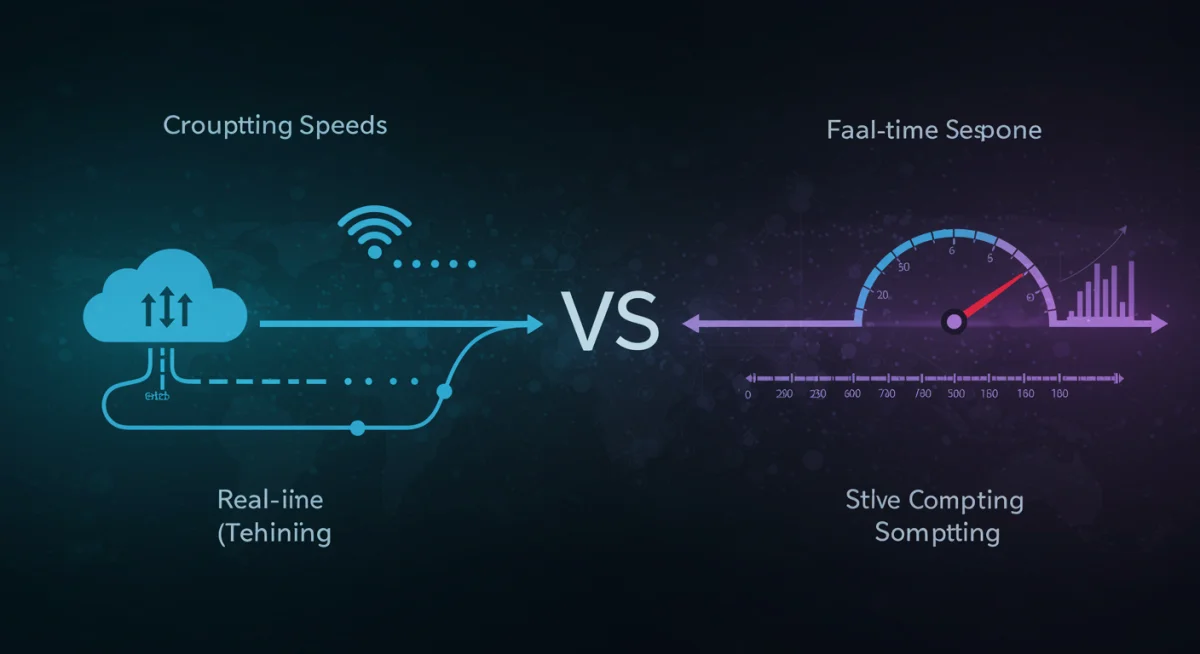
One of the most compelling arguments for adopting edge computing, particularly in sectors that rely on real-time data, is its superior performance in terms of latency. While cloud computing offers unparalleled processing power, the physical distance data must travel to and from a central data center can introduce unacceptable delays for certain applications.
In scenarios like autonomous vehicles, industrial automation, or remote patient monitoring, milliseconds can make a substantial difference. Edge computing fundamentally shifts the processing closer to the data source, drastically cutting down these transmission times and enabling near-instantaneous responses.
The Latency Challenge in Cloud Environments
Cloud data centers, by design, are centralized. While highly optimized, the laws of physics dictate that data transmission across vast geographical distances will always incur some level of latency. For many business applications, this latency is negligible and acceptable. However, for others, it can be a critical bottleneck.
Consider a manufacturing plant using AI for quality control on an assembly line. If every image captured by a camera needs to be sent to a distant cloud for analysis and then a command sent back to stop the line, the delay could lead to significant waste. This is where the cloud’s inherent latency becomes a disadvantage.
Furthermore, network congestion and unreliable internet connections can exacerbate latency issues, making cloud-dependent real-time operations vulnerable. The more hops data makes, the greater the chance of delay or packet loss, impacting application performance and user experience.
Edge Computing’s Real-Time Advantage
Edge computing’s core strength lies in its ability to process data at the point of origin or very close to it. This proximity eliminates the need for data to travel long distances to a central cloud server, resulting in significantly reduced latency. For applications demanding immediate action, this is a game-changer.
Industries like healthcare, with remote patient monitoring devices, benefit immensely. Vitals can be analyzed on-device, and alerts triggered instantly if anomalies are detected, potentially saving lives. In retail, edge computing can power real-time inventory management, personalized customer experiences, and fraud detection at the point of sale without relying on constant cloud connectivity.
The real-time processing capabilities of edge devices also reduce the amount of raw data that needs to be transmitted to the cloud. Instead of sending terabytes of raw video footage, for example, an edge device can pre-process it, extract relevant insights, and only send aggregated or critical data to the cloud for long-term storage or further analysis. This not only improves performance but also contributes to significant bandwidth cost savings.
Ultimately, while cloud computing remains essential for its scale and advanced analytics, edge computing provides the crucial low-latency performance required for mission-critical applications, ensuring that decisions can be made and actions taken almost instantaneously, directly impacting operational efficiency and safety.
Security and Compliance in a Hybrid World
The distributed nature of edge computing and the centralized model of cloud computing each present unique challenges and opportunities regarding security and regulatory compliance. In a hybrid environment, managing these aspects becomes even more complex, requiring a comprehensive and integrated strategy.
For US data processing, adherence to various regulations such as HIPAA (for healthcare), PCI DSS (for payment card industry), and state-specific privacy laws like CCPA is non-negotiable. Both edge and cloud deployments must be designed with these compliance mandates in mind from the outset.
Cloud Security and Compliance Frameworks
Cloud providers invest heavily in security infrastructure and offer a wide array of compliance certifications. Their centralized data centers are typically highly secured, with multiple layers of physical and cyber protection. Users benefit from shared security models, where the provider is responsible for the security of the cloud, and the customer is responsible for security in the cloud.
Key advantages of cloud security include:
Centralized Management: Easier to implement and enforce security policies across a broad infrastructure.
Expertise: Cloud providers employ top security professionals and leverage advanced security tools.
Scalable Security: Security measures can scale automatically with the infrastructure.
Compliance Certifications: Providers often meet numerous industry-specific and global compliance standards.
However, the concentration of data in the cloud also makes it a high-value target for cyberattacks. Data sovereignty concerns and the potential for unauthorized access remain critical considerations for businesses handling sensitive information.
Edge Security Challenges and Solutions
Edge computing introduces a more distributed attack surface, as devices are often deployed in less controlled environments and may have limited processing power for complex security protocols. Securing hundreds or thousands of geographically dispersed edge devices presents a significant challenge.
Common edge security concerns include:
Physical Tampering: Devices located in public or semi-public spaces are vulnerable to physical theft or unauthorized access.
Network Vulnerabilities: Securing local network connections at the edge is crucial to prevent data interception.
Device Management: Ensuring all edge devices are patched, updated, and configured securely can be an arduous task.
Data Encryption: Encrypting data at rest and in transit between edge devices and the cloud is paramount.
To mitigate these risks, organizations must adopt a multi-layered security approach for edge deployments, including robust device authentication, secure boot mechanisms, hardware-level encryption, and continuous monitoring. Zero-trust architectures are particularly well-suited for edge environments, assuming no device or user can be trusted by default, regardless of their location.
For compliance, edge devices must be configured to handle data according to local regulations before any data is transmitted to the cloud. This might involve anonymization, aggregation, or filtering of sensitive information directly at the edge, reducing the compliance burden on the central cloud infrastructure.
The 15% Savings Potential: Industry-Specific Insights for 2026
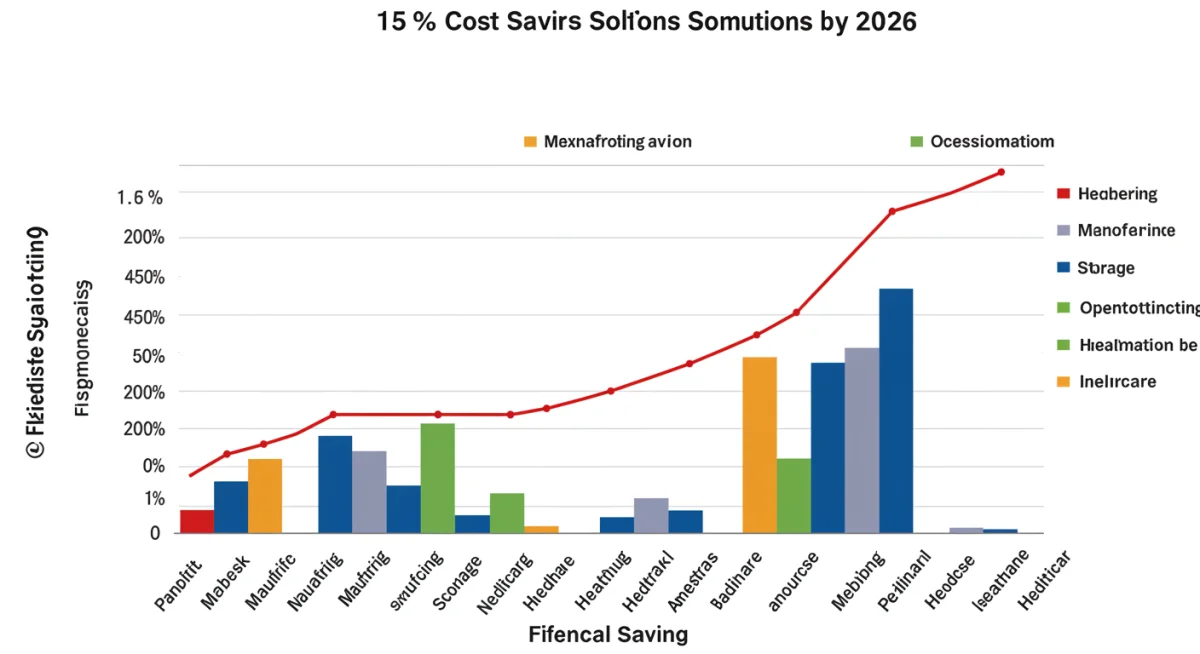
The promise of a potential 15% savings for specific industries by 2026 through strategic adoption of edge computing is not a universal declaration but a targeted projection based on specific operational characteristics. This significant saving stems primarily from reductions in data transmission costs, optimized resource utilization, and enhanced operational efficiencies.
Industries characterized by high volumes of data generated at remote locations, critical real-time processing needs, and stringent security or privacy requirements are the prime candidates for realizing these benefits. The US market, with its diverse industrial landscape, offers ample opportunities for such transformations.
Manufacturing: Driving Efficiency and Reducing Downtime
The manufacturing sector stands to gain substantially from edge computing. Modern factories are replete with IoT sensors, cameras, and robotic systems generating vast amounts of operational data. Sending all this data to the cloud for analysis can be prohibitively expensive and slow, impacting real-time decision-making.
By deploying edge analytics, manufacturers can:
Predictive Maintenance: Analyze sensor data locally to predict equipment failures before they occur, reducing costly downtime.
Quality Control: Use computer vision at the edge for immediate defect detection on assembly lines, minimizing waste.
Process Optimization: Real-time feedback loops from edge devices can fine-tune production processes for maximum efficiency.
Reduced Bandwidth Costs: Only send aggregated performance metrics or critical alerts to the cloud, drastically cutting data transfer fees.
The cumulative effect of these improvements—less downtime, reduced waste, and lower data transfer costs—can easily translate into double-digit percentage savings, making the 15% projection highly attainable for many US manufacturers.
Healthcare: Enhancing Patient Care and Data Management
Healthcare is another sector where edge computing can unlock significant cost savings and improve service delivery. With the rise of telehealth, remote patient monitoring, and smart hospitals, the volume of sensitive patient data generated outside traditional data centers is exploding.
Edge solutions in healthcare can:
Remote Monitoring: Process patient vital signs and other health data on edge devices, triggering immediate alerts for critical changes without constant cloud connectivity.
Data Privacy: Anonymize and filter sensitive patient information at the source, ensuring compliance with HIPAA and reducing the risk of data breaches during transmission.
Enhanced Diagnostics: Enable real-time analysis of medical images or sensor data at the point of care, assisting clinicians with faster diagnoses.
Operational Efficiency: Manage hospital IoT devices, such as smart beds and asset trackers, more efficiently through local processing, reducing reliance on central IT infrastructure.
The savings in healthcare come from reduced cloud storage and egress fees for large datasets, improved operational workflows, and the avoidance of costly data breaches due to enhanced local privacy controls. The ability to make faster, data-driven decisions at the point of care also translates into better patient outcomes and reduced readmission rates, indirectly contributing to cost efficiencies.
Beyond manufacturing and healthcare, other industries like retail (in-store analytics, inventory management), smart cities (traffic management, public safety), and energy (grid optimization, remote asset monitoring) are also poised to realize substantial savings by strategically integrating edge computing into their existing cloud infrastructure.
Implementation Strategies: Blending Edge and Cloud Effectively
The most effective strategy for US businesses in 2026 will not be an ‘either/or’ choice between edge and cloud, but rather a thoughtful ‘both/and’ approach, leveraging the strengths of each. This hybrid model, often referred to as cloud-to-edge or edge-cloud continuum, allows organizations to maximize performance, optimize costs, and enhance security across their entire digital footprint.
Successful implementation requires careful planning, a clear understanding of business needs, and a phased approach to integration. It’s about identifying which workloads are best suited for the cloud and which demand the proximity and real-time capabilities of the edge.
Designing a Hybrid Architecture
A well-designed hybrid architecture integrates edge devices seamlessly with central cloud platforms. This means establishing robust communication protocols, centralized management tools, and consistent security policies across the entire distributed environment. The goal is to create a cohesive ecosystem where data flows intelligently between the edge and the cloud.
Key considerations for architecture design include:
Data Flow Management: Define what data is processed at the edge, what is sent to the cloud, and when. Implement data filtering and aggregation at the edge to minimize cloud egress.
Centralized Orchestration: Use cloud-based platforms to manage, deploy, and monitor edge devices and applications remotely.
API Integration: Ensure seamless communication and data exchange between edge applications and cloud services through well-defined APIs.
Scalability and Flexibility: Design the architecture to allow for easy scaling of both edge and cloud resources as business needs evolve.
This integrated approach ensures that businesses can harness the massive processing power and storage of the cloud for long-term analytics and archival, while simultaneously benefiting from the low-latency and localized processing of edge computing for critical operations.
Phased Rollout and Pilot Programs
Implementing a new distributed computing model can be complex. A phased rollout, starting with pilot programs, allows organizations to test their strategies on a smaller scale, identify potential issues, and refine their approach before a full-scale deployment. This minimizes risk and ensures a smoother transition.
During pilot phases, focus on:
Identifying Key Use Cases: Start with applications that have the clearest need for edge capabilities and offer quantifiable benefits.
Measuring KPIs: Track key performance indicators such as latency reduction, bandwidth savings, and operational efficiency improvements to validate the business case.
Training Personnel: Ensure IT and operational staff are adequately trained to manage and troubleshoot both edge devices and cloud integrations.
Security Audits: Conduct thorough security assessments of the hybrid environment to identify and address vulnerabilities.
By meticulously planning and executing their edge-cloud integration, US businesses can unlock the full potential of both technologies, achieving significant cost savings, enhancing operational agility, and staying competitive in the rapidly evolving digital economy of 2026 and beyond.
Future Outlook: The Expanding Edge-Cloud Continuum
As we look towards 2026 and beyond, the distinction between edge and cloud computing will continue to blur, evolving into a seamless edge-cloud continuum. This integrated ecosystem will redefine how data is processed, managed, and utilized, creating new opportunities for innovation and efficiency across all industries. The US market is uniquely positioned to lead this transformation, driven by technological advancements and increasing demand for real-time data processing.
The future will see further advancements in edge hardware, making devices more powerful, energy-efficient, and capable of handling increasingly complex AI workloads locally. Simultaneously, cloud providers will continue to extend their services closer to the edge, offering micro-cloud solutions and specialized edge platforms that simplify deployment and management.
AI and Machine Learning at the Edge
One of the most significant trends shaping the edge-cloud continuum is the proliferation of Artificial Intelligence (AI) and Machine Learning (ML) capabilities at the edge. Training large AI models will likely remain a cloud-centric activity due to the immense compute resources required. However, the inference – applying these trained models to new data – is increasingly shifting to the edge.
This enables:
Real-Time AI: AI-powered applications, such as facial recognition, predictive maintenance, and autonomous decision-making, can operate with ultra-low latency.
Data Privacy Enhancement: Sensitive data can be processed and anonymized by AI models at the edge before any necessary transmission to the cloud.
Reduced Bandwidth Reliance: Only actionable insights or model updates are sent to the cloud, conserving bandwidth and reducing costs.
Offline Capabilities: Edge AI solutions can function effectively even with intermittent or no internet connectivity, crucial for remote operations.
The synergy between cloud-trained AI and edge inference will unlock powerful new applications, from smart retail stores that personalize customer experiences in real-time to advanced industrial robots that adapt to changing conditions instantly.
Standardization and Interoperability
For the edge-cloud continuum to truly flourish, greater standardization and interoperability will be essential. Currently, the landscape of edge devices, platforms, and protocols can be fragmented, posing challenges for integration and management. Efforts by industry consortia and open-source communities are working towards creating unified frameworks that allow different edge solutions to communicate seamlessly with each other and with various cloud platforms.
This will simplify development, reduce vendor lock-in, and accelerate the adoption of edge computing across a broader range of industries. As these standards mature, businesses will find it easier to deploy, manage, and scale their hybrid infrastructures, further driving down costs and increasing efficiency.
The future of data processing in the US will be defined by intelligent, distributed architectures that dynamically balance the strengths of edge and cloud. Organizations that embrace this evolving continuum, understanding where and how to deploy each technology, will be best positioned to innovate, optimize costs, and gain a competitive advantage in the digital economy of tomorrow.
Key Aspect
Brief Description
Cost Savings Potential
Up to 15% for specific industries by 2026, primarily from reduced data transfer and optimized operations.
Performance & Latency
Edge offers superior low-latency for real-time applications; Cloud for high-scale, less time-sensitive tasks.
Manufacturing and healthcare are key beneficiaries due to high data volume and real-time needs.
Frequently Asked Questions
What is the primary difference between edge and cloud computing regarding data processing?▼
The primary difference lies in data proximity. Cloud computing processes data in centralized data centers, often far from the source. Edge computing processes data closer to its origin, reducing latency and enabling real-time responses for critical applications.
Which US industries are most likely to see significant cost savings with edge computing by 2026?▼
Industries like manufacturing and healthcare are projected to see the most significant cost savings. This is due to their high volume of data generated at the source, critical real-time processing needs, and potential for reduced bandwidth and operational efficiencies.
How does edge computing contribute to a potential 15% savings?▼
The 15% savings primarily come from reduced data transfer costs (egress fees to the cloud), optimized bandwidth usage, and enhanced operational efficiencies through real-time local processing. This minimizes the amount of raw data sent to more expensive cloud services.
Are there security implications to consider when adopting edge computing?▼
Yes, edge computing introduces a distributed attack surface with devices in varied environments, requiring robust physical and cyber security measures. Centralized management, strong authentication, and data encryption at the edge are crucial for mitigating risks.
Is it better to choose edge computing or cloud computing for future data processing needs?▼
Neither is inherently ‘better’; the optimal approach is often a hybrid ‘edge-cloud continuum.’ This strategy leverages the cloud’s scalability for large-scale data and storage, and edge’s low-latency for real-time, localized processing, maximizing both performance and cost-efficiency.
Conclusion
The dynamic interplay between edge computing and cloud computing is reshaping the future of data processing, particularly for US businesses navigating the complexities of digital transformation. Our comprehensive 2026 cost-benefit analysis underscores that while cloud computing remains foundational for its scalability and broad capabilities, edge computing emerges as a crucial enabler for specific industries, promising substantial savings of up to 15%. This potential is unlocked through optimized data transfer, enhanced operational efficiencies, and the critical ability to perform real-time analytics at the data source. As technology continues to evolve, a strategic hybrid approach, carefully balancing the strengths of both paradigms, will be paramount for organizations seeking to maintain competitive advantage, drive innovation, and ensure robust, compliant, and cost-effective data management well into the future.