Navigating the Metaverse for Business: US Opportunities by Q3 2026
By Q3 2026, the metaverse presents significant opportunities for US businesses across various sectors, enabling new revenue streams, enhanced customer engagement, and innovative operational models through immersive digital experiences.
The metaverse offers substantial opportunities for US businesses by Q3 2026, creating new avenues for revenue generation, customer engagement, and operational efficiencies through immersive digital platforms and virtual economies.
The digital frontier is rapidly expanding, and with it, the concept of the metaverse is transforming from science fiction into a tangible reality for businesses. Navigating the Metaverse for Business: 5 Key US Industry Opportunities Emerging by Q3 2026 is not merely about understanding new technology; it’s about identifying the strategic advantages and growth pathways that this immersive digital world offers to American enterprises. Are US industries ready to seize these unprecedented opportunities?
Understanding the metaverse landscape for US businesses
The metaverse, a persistent and interconnected network of 3D virtual worlds, is poised to reshape how US businesses operate, interact with customers, and innovate. Beyond gaming, its applications are expanding rapidly, offering immersive experiences that transcend traditional digital interactions. By Q3 2026, early adopters in the US will likely have established significant footholds, driving new economic models and consumer behaviors.
For US businesses, understanding the foundational layers of the metaverse is crucial. This includes grasping the role of virtual reality (VR) and augmented reality (AR) hardware, blockchain technology for digital ownership, and the evolving social dynamics within these virtual spaces. The shift is not just technological; it’s cultural and commercial, demanding a proactive approach from companies looking to stay competitive.
Key components of the metaverse economy
Digital Assets and NFTs: Non-fungible tokens (NFTs) are central to establishing ownership of virtual goods, real estate, and unique experiences within the metaverse, creating new markets for creators and brands.
Virtual Currencies: Cryptocurrencies and other digital tokens facilitate transactions, enabling a seamless economy within and across metaverse platforms.
Immersive Hardware: Advanced VR headsets, haptic feedback devices, and AR glasses are becoming more accessible, enhancing the user experience and driving adoption.
The metaverse is not a single entity but a collection of interconnected platforms, each with its unique characteristics and opportunities. US businesses must strategically evaluate which platforms align best with their brand values and target audience. This initial assessment will be critical for effective resource allocation and successful metaverse integration.
Retail and e-commerce: reinventing the shopping experience
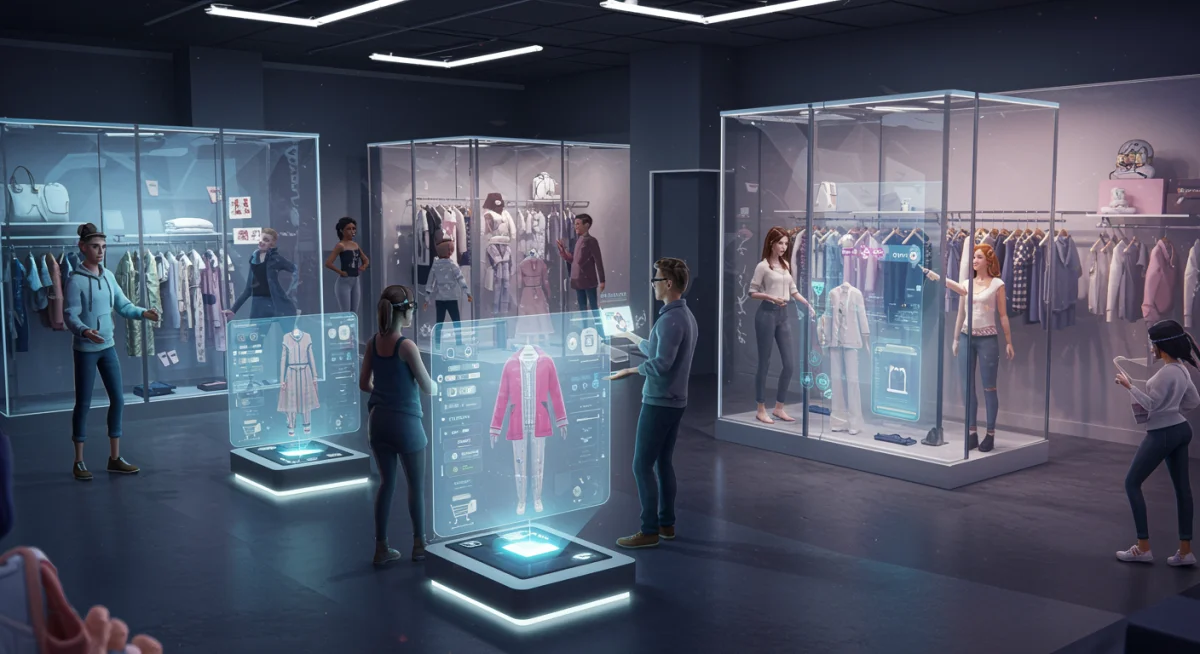
The retail sector stands on the cusp of a revolutionary transformation within the metaverse. Traditional e-commerce, while convenient, often lacks the immersive and tactile experience of physical shopping. The metaverse bridges this gap, allowing brands to create virtual storefronts, interactive product displays, and personalized shopping journeys that engage consumers in unprecedented ways.
By Q3 2026, we anticipate a significant surge in US retail brands establishing persistent virtual presences. This goes beyond simple 3D product viewing; it involves creating experiential shopping environments where customers can try on virtual clothing, test digital products, and interact with brand representatives in real-time, all from the comfort of their homes.
Consider the potential for luxury brands to host exclusive virtual fashion shows or for automotive companies to offer virtual test drives of their latest models. These immersive experiences can foster stronger brand loyalty and drive purchase decisions more effectively than traditional online channels.
Emerging retail metaverse strategies
Virtual Showrooms: Brands can design elaborate virtual spaces that showcase their entire product line, offering a rich browsing experience.
Personalized Avatars and Styling: Users can customize their avatars and virtually ‘wear’ clothing or accessories, seeing how they look before making a purchase.
Gamified Shopping: Integrating gaming elements, such as quests or rewards, can make the shopping experience more engaging and entertaining.
The metaverse also opens doors for direct-to-avatar (D2A) commerce, where consumers purchase digital items for their virtual personas. This emerging market segment represents a significant opportunity for fashion, accessories, and entertainment industries to expand their product offerings and revenue streams within the digital realm.
Education and corporate training: immersive learning environments
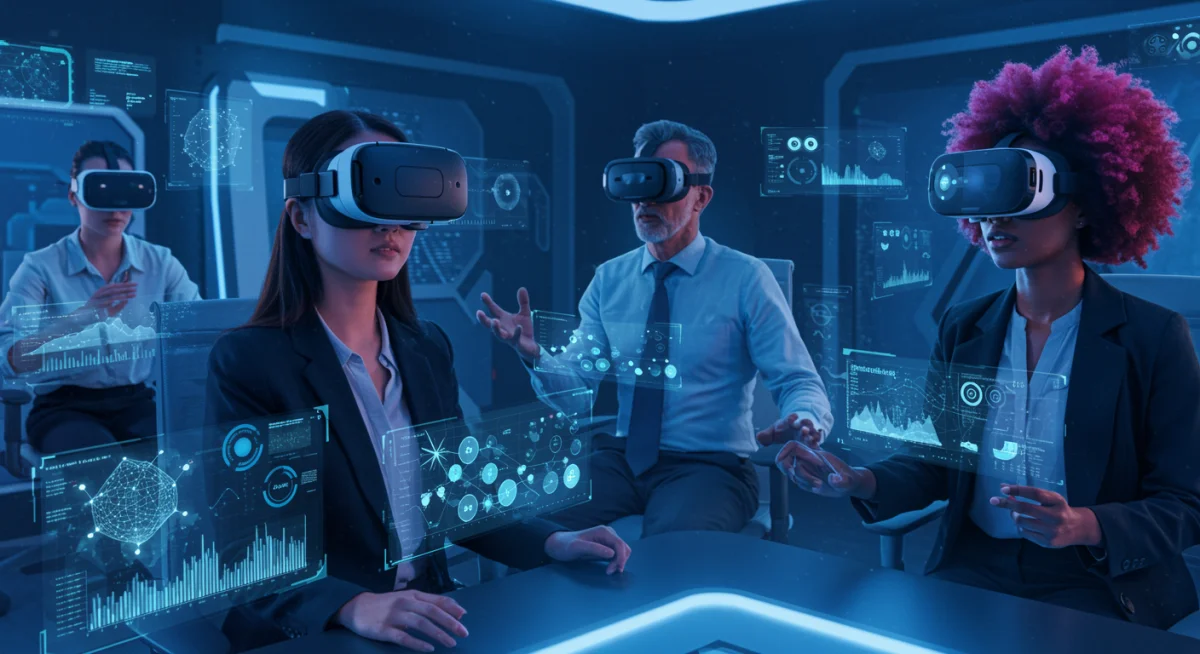
The education and corporate training sectors in the US are poised for a significant overhaul through metaverse technologies. Traditional online learning, while accessible, often struggles with engagement and practical application. The metaverse offers immersive learning environments that can simulate real-world scenarios, making education more interactive, experiential, and effective.
By Q3 2026, US universities and corporations will increasingly leverage virtual campuses and training simulations. Imagine medical students practicing complex surgeries in a risk-free virtual operating room, or engineers collaborating on intricate designs within a shared 3D workspace. These environments provide hands-on experience that is difficult or costly to replicate in physical settings.
The benefits extend beyond practical skills. Metaverse learning can foster greater collaboration among students and employees, breaking down geographical barriers and promoting a sense of community. It also allows for highly personalized learning paths, adapting to individual paces and preferences through AI-driven virtual tutors and interactive modules.
Transformative applications in learning
Virtual Classrooms: Creating engaging 3D environments for lectures, discussions, and group projects that feel more present than video calls.
Skill-based Simulations: Developing virtual labs and workshops for technical training, safety protocols, and complex machinery operation.
Onboarding and Development: Crafting immersive onboarding experiences for new employees and continuous professional development programs.
The metaverse’s potential to democratize access to high-quality education and specialized training is immense. Remote workers can receive the same caliber of training as their in-office counterparts, and underserved communities can access educational resources previously out of reach.
Healthcare and wellness: virtual clinics and therapeutic experiences
The healthcare and wellness industries in the US are exploring groundbreaking applications within the metaverse, moving beyond telehealth to offer truly immersive patient care and therapeutic experiences. This evolution promises to enhance accessibility, improve patient outcomes, and provide new avenues for mental and physical well-being.
By Q3 2026, we could see the emergence of virtual clinics where patients consult with doctors in realistic 3D environments, complete with digital diagnostic tools and personalized treatment plans. This could be particularly beneficial for patients in rural areas or those with mobility challenges, providing specialized care without the need for travel.
Beyond consultations, the metaverse offers innovative therapeutic applications. Virtual reality therapy (VRT) is already showing promise in treating phobias, PTSD, and anxiety by exposing patients to controlled, immersive environments. Wellness programs can leverage the metaverse for guided meditations, virtual fitness classes, and stress-reduction exercises, creating engaging and personalized experiences.
Key metaverse healthcare innovations
Remote Diagnostics and Consultations: Patients can interact with holographic doctors and receive diagnoses through virtual interfaces.
Therapeutic VR Environments: Immersive experiences designed to aid mental health treatment, pain management, and rehabilitation.
Medical Training Simulations: Surgeons and medical professionals can practice complex procedures in highly realistic virtual settings before operating on real patients.
The privacy and security of patient data will be paramount in this space, requiring robust blockchain-based solutions and adherence to strict regulatory standards. However, the potential for expanded access to care and improved patient engagement makes the metaverse a compelling frontier for healthcare innovation.
Entertainment and media: next-generation immersive content
The entertainment and media industries are natural fits for the metaverse, leveraging its immersive capabilities to deliver next-generation content and experiences. From interactive concerts to virtual theme parks, the possibilities for engaging audiences are virtually limitless, representing significant growth opportunities for US companies by Q3 2026.
Imagine attending a live concert in the metaverse where your avatar can interact with other fans, dance, and even meet the artists backstage. Or visiting a virtual movie set, stepping into your favorite film scenes, and influencing the narrative. These experiences transcend passive consumption, turning audiences into active participants.
Content creators, studios, and media companies can monetize these experiences through virtual ticketing, digital merchandise, and in-metaverse advertising. The metaverse also provides a new platform for storytelling, allowing for narratives that unfold across multiple virtual environments and interact directly with user choices.
Metaverse entertainment innovations
Interactive Live Events: Concerts, sports events, and conferences hosted in virtual worlds, offering unique levels of audience participation.
Experiential Storytelling: Narrative content that users can explore and influence, blurring the lines between games and traditional media.
User-Generated Content Platforms: Empowering users to create and monetize their own virtual experiences, games, and digital assets.
The convergence of gaming, social media, and traditional entertainment within the metaverse will create hybrid experiences that cater to diverse tastes. US media companies that embrace this shift early will be well-positioned to capture significant market share and define the future of digital entertainment.
Real estate and urban planning: virtual property and digital infrastructure
The real estate sector, both physical and virtual, is experiencing a profound shift due to the metaverse. While virtual land sales have already generated considerable buzz, the long-term opportunities for US real estate and urban planning extend far beyond speculative investments. By Q3 2026, the development of digital infrastructure and virtual property management will become critical.
For physical real estate, the metaverse offers powerful visualization and planning tools. Architects and urban planners can create highly detailed digital twins of cities and buildings, allowing for virtual walkthroughs, collaborative design, and impact assessments before any physical construction begins. This can streamline development processes, reduce costs, and enhance stakeholder engagement.
In the virtual realm, digital real estate is evolving into a valuable asset class. Businesses are acquiring virtual land to establish brand presences, host events, and build immersive experiences. Managing these digital properties, designing virtual structures, and creating engaging environments will become specialized services, creating new job roles and economic ecosystems.
Metaverse real estate applications
Virtual Property Development: Designing, building, and managing digital structures and environments for commercial and personal use.
Digital Twin Technology: Creating exact virtual replicas of physical assets for planning, monitoring, and simulation.
Virtual Showings and Tours: Offering immersive tours of physical properties to potential buyers or renters, regardless of their location.
The intersection of physical and virtual real estate will also drive innovation in how we interact with our physical surroundings. Augmented reality overlays could provide real-time information about buildings, public spaces, and infrastructure, enhancing urban navigation and engagement.
Key Industry
Emerging Opportunity by Q3 2026
Retail & E-commerce
Immersive virtual storefronts and direct-to-avatar commerce.
Education & Training
Virtual campuses and highly realistic skill-based simulations.
Healthcare & Wellness
Virtual clinics, therapeutic VR, and remote patient care.
Entertainment & Media
Interactive live events and experiential storytelling platforms.
Frequently asked questions about the metaverse for business
What is the metaverse in a business context?▼
In a business context, the metaverse refers to persistent, interconnected virtual environments where users, represented by avatars, can interact with each other, digital objects, and AI. It offers new avenues for commerce, communication, training, and customer engagement, moving beyond traditional websites and apps to create immersive experiences for US companies.
How can US businesses start engaging with the metaverse?▼
US businesses can begin by researching existing metaverse platforms to identify relevant communities and technologies. Starting with small-scale experiments, such as creating a virtual brand presence, hosting a virtual event, or developing an NFT strategy, can provide valuable insights without significant initial investment. Partnering with metaverse development experts is also advisable for those new to the space.
What are the main challenges for businesses entering the metaverse?▼
Key challenges include high development costs, the need for specialized technical expertise, ensuring data privacy and security, and navigating an evolving regulatory landscape. Additionally, achieving widespread consumer adoption and creating truly engaging experiences that justify the investment remain significant hurdles for many US businesses exploring the metaverse.
Will the metaverse replace traditional e-commerce or physical stores?▼
It’s unlikely that the metaverse will entirely replace traditional e-commerce or physical stores by Q3 2026. Instead, it is expected to complement and augment existing channels, offering a new dimension of customer interaction and sales. The metaverse will likely serve as an additional touchpoint, providing immersive experiences that enhance brand loyalty and drive engagement across all platforms.
What role does blockchain play in the metaverse for businesses?▼
Blockchain technology is fundamental to the metaverse’s economic infrastructure. It enables secure ownership of digital assets through NFTs, facilitates transparent transactions with cryptocurrencies, and supports decentralized governance models. For businesses, blockchain ensures authenticity, scarcity, and interoperability of digital goods and services, fostering trust and new monetization strategies within virtual economies.
Conclusion
The metaverse is rapidly evolving from a nascent concept into a powerful platform offering unprecedented opportunities for US industries. By Q3 2026, sectors such as retail, education, healthcare, entertainment, and real estate are poised to experience significant transformation through immersive digital experiences. Early adoption and strategic investment in this burgeoning digital frontier will be crucial for businesses seeking to innovate, engage new customer segments, and secure a competitive edge in the years to come. The journey into the metaverse is just beginning, and its potential to redefine business models and human interaction is immense.