IoT Expansion 2026: Smart Homes to Smart Cities in the US
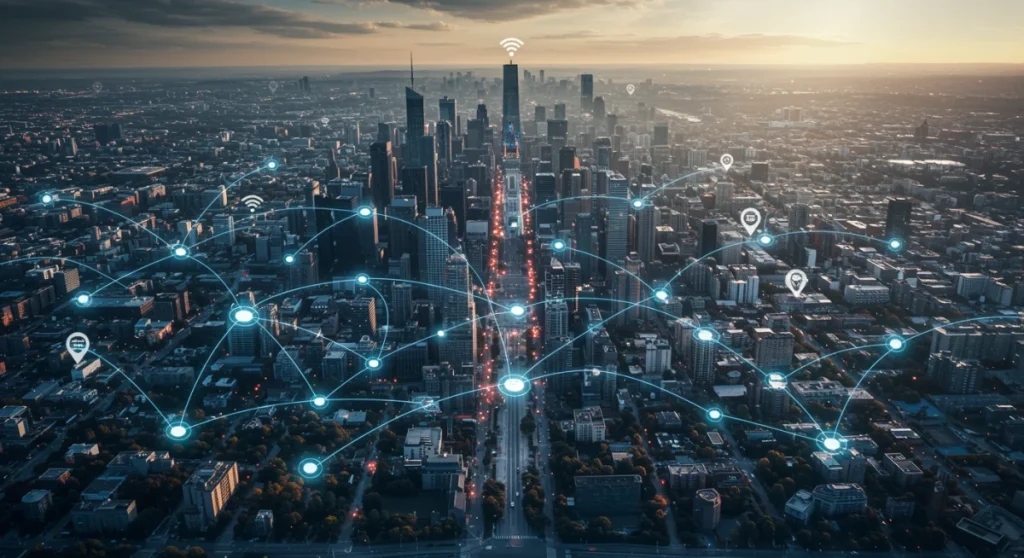
The 2026 IoT infrastructure expansion in the US is set to revolutionize daily life, seamlessly integrating smart homes into a vast network of smart cities, enhancing efficiency, connectivity, and sustainability for residents nationwide.
The 2026 IoT infrastructure expansion across the US is poised to fundamentally transform daily life by seamlessly integrating smart homes into comprehensive smart city ecosystems, promising enhanced connectivity, efficiency, and sustainability for all.
The landscape of technology is evolving at an unprecedented pace, and at its heart lies the Internet of Things (IoT). The IoT infrastructure expansion across the US by 2026 is not merely an upgrade; it represents a fundamental shift in how we interact with our environments, transforming everything from individual homes to entire urban centers.
The Dawn of Hyper-Connectivity: What is IoT Expansion?
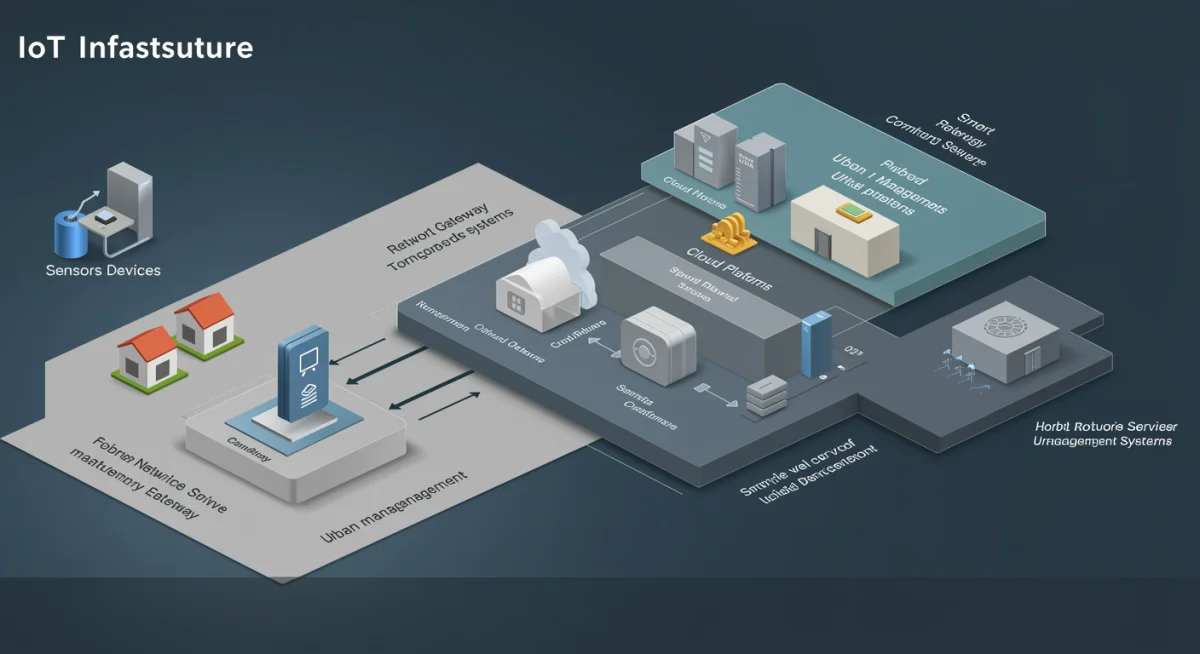
The term IoT expansion refers to the significant growth and integration of interconnected physical devices embedded with sensors, software, and other technologies, allowing them to connect and exchange data over the internet. This expansion is moving beyond isolated smart devices to create vast, interconnected networks that optimize operations and improve quality of life.
This isn’t just about more smart gadgets; it’s about a foundational change in how infrastructure is built and managed. The 2026 timeline signifies a period where these networks will mature, moving beyond pilot projects to widespread implementation across diverse sectors.
From Concept to Reality: Key Drivers
Several factors are accelerating this expansion. Advancements in 5G technology provide the necessary bandwidth and low latency, while decreasing costs of sensors and processing power make large-scale deployment economically viable. Furthermore, a growing consumer and industrial demand for efficiency and convenience fuels investment.
5G Deployment: High-speed, low-latency networks are crucial for real-time IoT data processing.
Cost Reduction: Sensors and IoT devices are becoming more affordable, enabling broader adoption.
Data Analytics: Enhanced AI and machine learning capabilities process vast IoT data for actionable insights.
Standardization Efforts: Industry-wide protocols are improving interoperability between devices.
The ongoing commitment to innovation from both government and private sectors is paving the way for a future where virtually every aspect of our physical world could be digitally connected. This hyper-connectivity promises benefits ranging from environmental sustainability to enhanced public safety.
Understanding the core drivers behind this expansion is key to grasping its potential impact. It’s a confluence of technological readiness, economic feasibility, and societal need, all converging to create a deeply integrated digital and physical world.
Smart Homes Evolve: Beyond Basic Automation
Smart homes have been a growing trend for years, but the 2026 IoT infrastructure expansion pushes them far beyond simple automation. We are moving from homes with individual smart devices to truly intelligent ecosystems that anticipate needs and seamlessly integrate with the broader urban environment.
Imagine a home that not only adjusts lighting and temperature but also monitors air quality, optimizes energy consumption based on grid demand, and even alerts city services to potential issues like water leaks before they become major problems. This level of integration is becoming the new standard.
Integrated Home Ecosystems
Future smart homes will feature a central nervous system, often managed by AI, that learns occupant preferences and adapts accordingly. Devices from different manufacturers will communicate effortlessly, creating a cohesive and responsive living space.
Predictive Maintenance: Appliances will self-diagnose issues and schedule repairs.
Personalized Environments: AI will tailor lighting, climate, and entertainment to individual preferences.
Enhanced Security: Advanced sensors and cameras with AI-powered anomaly detection will provide superior protection.
Energy Optimization: Homes will intelligently manage energy use, potentially interacting with smart grids.
This evolution means homes will be more than just places to live; they will be active participants in a larger network, contributing to and benefiting from the surrounding smart city infrastructure. The data generated by these homes, while raising privacy concerns, also holds immense potential for improving urban planning and resource management.
The shift from basic automation to a truly integrated home ecosystem represents a significant leap. It promises not just convenience but also greater efficiency, security, and a healthier living environment, all powered by a robust IoT backbone.
The Blueprint for Smart Cities: Urban Transformation
The ambition of the 2026 IoT infrastructure expansion culminates in the concept of smart cities. These are urban areas that use various types of electronic methods and sensors to collect data, which is then used to manage assets, resources, and services efficiently. This includes data collected from citizens, devices, buildings, and assets that is processed and analyzed to monitor and manage traffic and transportation systems, power plants, utilities, water supply networks, waste management, crime detection, information systems, schools, libraries, hospitals, and other community services.
The transformation is holistic, affecting every aspect of urban life. From intelligent traffic management to smart public safety, the goal is to create more livable, sustainable, and responsive cities for their residents.
Key Pillars of Smart City Development
Smart cities are built upon interconnected systems that address urban challenges through data-driven insights. This involves significant investment in digital infrastructure and the integration of diverse technologies.
Smart Transportation: Real-time traffic monitoring, optimized public transit, and smart parking systems.
Environmental Monitoring: Air and water quality sensors, noise pollution detection, and waste management optimization.
Public Safety: Connected surveillance, predictive policing, and rapid emergency response systems.
Efficient Utilities: Smart grids for electricity, intelligent water management, and optimized public lighting.
These pillars work in concert, sharing data to create a comprehensive picture of urban operations. The insights gained allow city planners and administrators to make informed decisions, improving service delivery and resource allocation. This level of integration is what truly defines a smart city, moving beyond isolated projects to a unified, intelligent urban organism.
The vision for smart cities is not just about technology; it’s about creating better urban environments for people. By leveraging IoT, cities can become more resilient, efficient, and responsive to the needs of their populations, leading to a higher quality of life.
Economic Impact and Job Creation: A New Digital Economy
The extensive 2026 IoT infrastructure expansion is poised to be a significant economic driver across the US. This transformation will create new industries, redefine existing ones, and generate a substantial number of jobs, fostering a vibrant digital economy.
Investment in IoT infrastructure spans hardware, software, network services, and data analytics, leading to a ripple effect throughout the economy. From manufacturing specialized sensors to developing complex AI algorithms, the demand for skilled labor will surge.
Emerging Job Roles and Industries
The ecosystem required to build and maintain smart homes and cities will necessitate a diverse workforce. This includes roles in data science, cybersecurity, network engineering, urban planning with a tech focus, and specialized trades for IoT device installation and maintenance.
Data Scientists and Analysts: Essential for interpreting the vast amounts of data generated by IoT.
Cybersecurity Specialists: Crucial for protecting sensitive data and critical infrastructure from threats.
IoT Architects and Engineers: Designing, deploying, and managing complex IoT systems.
Urban Planners (Tech-Focused): Integrating smart technologies into city development and management.
Beyond direct job creation, the enhanced efficiency and new services enabled by IoT will stimulate economic growth in various sectors. Smart logistics, precision agriculture, and connected healthcare are just a few examples of industries that will experience significant innovation and expansion.
The economic impact of the IoT expansion is multi-faceted, driving innovation, creating new markets, and providing numerous employment opportunities. It signifies a shift towards a more digitally integrated economy where data and connectivity are paramount.
Challenges and Considerations: Navigating the Future
While the promise of the 2026 IoT infrastructure expansion is immense, it also presents significant challenges that need careful consideration and proactive solutions. These include concerns around data privacy, cybersecurity, interoperability, and equitable access to these new technologies.
Addressing these hurdles is crucial for the successful and ethical deployment of smart home and smart city technologies. Without robust frameworks and thoughtful planning, the potential benefits could be overshadowed by unforeseen risks and societal inequalities.
Key Obstacles to Overcome
The path to a fully integrated IoT future is not without its bumps. Technical, ethical, and social considerations must be carefully managed to ensure broad acceptance and successful implementation.
Data Privacy: Ensuring the secure and ethical handling of personal and collective data is paramount.
Interoperability Standards: Developing universal standards for devices and platforms to communicate seamlessly.
Digital Divide: Ensuring that all communities, regardless of socio-economic status, benefit from IoT advancements.
Governments, industries, and civil society organizations must collaborate to develop policies, regulations, and best practices that mitigate these risks. Public education and engagement will also be vital in building trust and ensuring that the benefits of IoT are widely understood and embraced.
Navigating these challenges requires a balanced approach that prioritizes innovation while safeguarding individual rights and promoting inclusive growth. The success of the IoT expansion hinges on our ability to address these complex issues effectively.
The Future of Daily Life: A Seamlessly Integrated Experience
The 2026 IoT infrastructure expansion promises a future where daily life in the US is more convenient, efficient, and interconnected than ever before. This integration will fundamentally alter how we work, commute, interact with our communities, and manage our personal spaces.
From the moment we wake up in a smart home that has already optimized our environment, to commuting through traffic managed by intelligent systems, and interacting with responsive public services, the IoT will be an invisible yet pervasive force shaping our experiences.
Transforming Everyday Routines
The impact will be felt across numerous aspects of our lives, making routine tasks simpler and freeing up time for more meaningful pursuits. This seamless integration aims to reduce friction and enhance overall well-being.
Personalized Health:Wearable devices and smart home sensors will provide continuous health monitoring and alerts.
Optimized Commutes: Real-time traffic data and smart public transport will reduce travel times and congestion.
Resource Efficiency: Intelligent systems will manage energy, water, and waste more effectively, reducing costs and environmental impact.
Enhanced Leisure: Smart parks, connected entertainment, and personalized experiences will enrich free time.
The vision is not just about individual convenience but about creating a more harmonious relationship between people and their urban environments. By leveraging data and connectivity, cities can become more responsive to the needs of their inhabitants, fostering a greater sense of community and collective well-being.
Ultimately, the future of daily life with expanded IoT infrastructure is one where technology serves to enhance human experience, making our environments more intuitive, responsive, and supportive of our evolving needs and aspirations.
Key Aspect
Brief Description
Hyper-Connectivity
Widespread integration of devices, sensors, and networks for seamless data exchange.
Smart Home Evolution
Homes becoming intelligent, predictive ecosystems beyond basic automation.
Urban Transformation
Cities leveraging IoT for efficient management of traffic, utilities, and public safety.
Economic Growth
New industries and job creation driven by IoT development and deployment.
Frequently Asked Questions About IoT Expansion
What exactly is the 2026 IoT infrastructure expansion?▼
The 2026 IoT infrastructure expansion refers to the significant growth and integration of interconnected devices, sensors, and networks across the US. This aims to create seamless digital ecosystems, transforming smart homes and cities by enhancing efficiency, connectivity, and data-driven services for residents and urban management.
How will smart homes change with this expansion?▼
Smart homes will evolve beyond basic automation to become intelligent, predictive ecosystems. They will integrate seamlessly with urban infrastructure, optimizing energy use, providing advanced security, and personalizing environments based on occupant preferences, contributing data to and benefiting from the larger smart city network.
What are the main benefits of smart cities?▼
Smart cities leverage IoT to improve urban living through enhanced efficiency in traffic management, public safety, and utility services. They also offer better environmental monitoring, reduced resource consumption, and more responsive communal services, all contributing to a higher quality of life for residents.
What are the biggest challenges facing IoT expansion?▼
Key challenges include ensuring robust data privacy and cybersecurity measures to protect sensitive information. Additionally, achieving interoperability between diverse devices and platforms, and addressing the digital divide to ensure equitable access to these technologies, are crucial for successful implementation and public trust.
How will IoT expansion impact the US economy?▼
The IoT expansion is expected to significantly boost the US economy by creating new industries and numerous job opportunities in data science, cybersecurity, and engineering. It will stimulate innovation across sectors like logistics and healthcare, driving economic growth through increased efficiency and the development of new services and products.
Conclusion
The 2026 IoT infrastructure expansion across the US represents a monumental leap towards a more connected and intelligent future. This transformation, from individual smart homes to sprawling smart cities, promises unparalleled levels of efficiency, convenience, and sustainability. While challenges related to privacy, security, and equitable access remain, the concerted efforts of governments, industries, and communities are paving the way for innovative solutions. The integration of IoT into the fabric of daily life will not only redefine our environments but also create new economic opportunities and enhance the overall quality of living for millions, marking a pivotal moment in technological advancement and societal evolution.