Federal Emergency Rental Assistance 2026: Funding & Deadlines
As 2026 unfolds, understanding the landscape of federal emergency rental assistance is critical for those seeking housing stability and for states managing these vital programs, navigating evolving funding streams and application protocols.
Understanding the status of federal emergency rental assistance in 2026 is crucial for both applicants and program administrators, as funding levels and application deadlines continue to adapt to current economic realities and evolving policy directives.
Navigating the complexities of housing support can be challenging, especially when facing unexpected financial hurdles. The topic of Federal Emergency Rental Assistance in 2026: What You Need to Know About Current Funding and Application Deadlines remains a critical concern for millions of Americans, providing a vital lifeline to prevent homelessness and stabilize communities. This article aims to demystify the current state of these programs, offering clear, actionable insights into how they operate and what applicants can expect in the coming year.
The Evolution of Federal Emergency Rental Assistance Programs
The landscape of federal emergency rental assistance has undergone significant transformations since its inception, primarily driven by the economic fallout of recent global events. These programs were designed as a temporary, yet robust, response to unprecedented housing insecurity, aiming to keep individuals and families in their homes during challenging times. Understanding this evolution is key to grasping the current state of affairs and anticipating future changes.
Initially, these programs saw massive injections of federal funds, allowing states and localities to swiftly implement aid initiatives. The primary goal was to prevent a wave of evictions and provide immediate relief to those struggling with rent and utility payments. Over time, as the immediate crisis subsided, the focus shifted towards optimizing distribution and ensuring that funds reached those most in need efficiently and equitably.
Key Legislative Milestones
Several legislative actions have shaped the federal rental assistance framework. These milestones dictate the availability of funds and the operational guidelines for state and local agencies.
CARES Act (2020): Provided initial funding streams and laid the groundwork for broader rental assistance efforts.
Consolidated Appropriations Act (2021): Introduced the Emergency Rental Assistance (ERA1) program, significantly expanding the scope and funding.
American Rescue Plan Act (2021): Established the ERA2 program, further bolstering financial support and extending the reach of assistance.
The continuous recalibration of these programs reflects an ongoing effort to tailor aid to the specific needs of communities across the United States. This includes adjustments to eligibility criteria, payment caps, and the duration of assistance, all aimed at maximizing impact with available resources.
In essence, the journey of federal emergency rental assistance has been one of adaptation and responsiveness. From emergency relief to a more structured support system, these programs continue to play a pivotal role in the nation’s housing stability efforts. As we look towards 2026, the lessons learned from previous years will undoubtedly inform how these vital resources are managed and distributed.
Current Funding Status and Projections for 2026
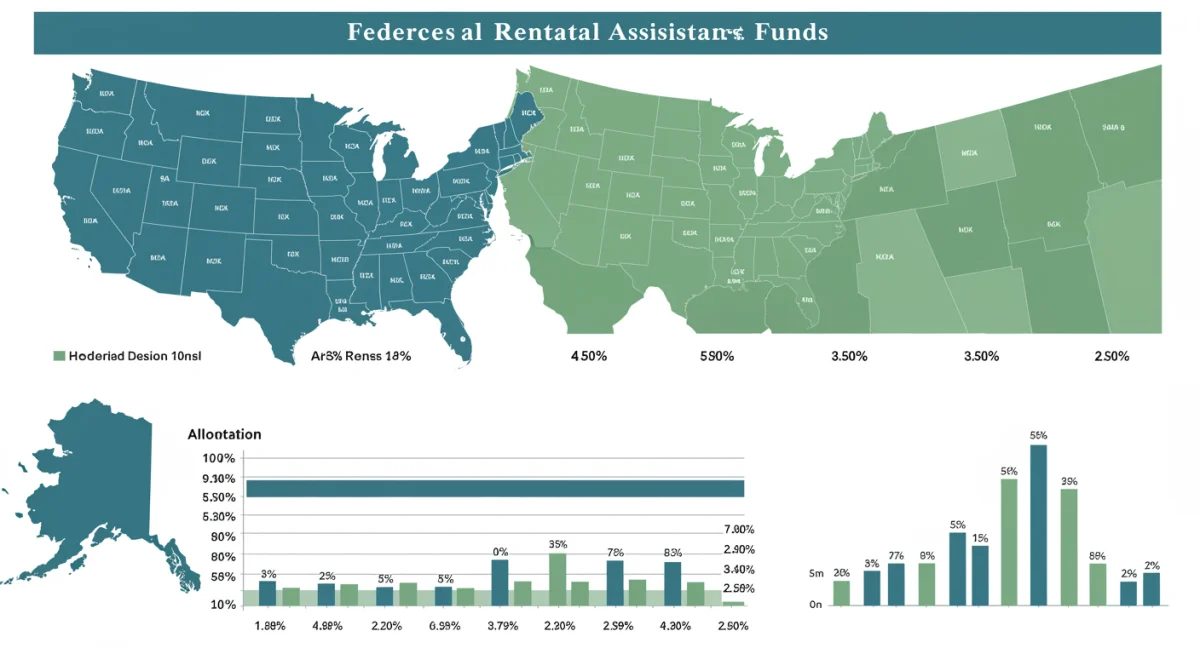
As 2026 approaches, a primary concern for many is the current funding status of federal emergency rental assistance programs. While the initial waves of pandemic-related aid provided substantial resources, the landscape is now shifting, requiring a closer look at what funds remain available and what projections indicate for the coming year. This section will delve into the financial health of these programs, offering insights into their sustainability.
Many states and localities have either fully expended their initial allocations from ERA1 and ERA2 or are rapidly approaching that point. The winding down of these historic funding levels means that new applications may face different conditions than those filed in previous years. It’s crucial for both potential applicants and housing advocates to be aware of these changes and understand the implications.
Where Does the Funding Stand Now?
The Department of the Treasury, which oversees these programs, has been transparent about the distribution and utilization of funds. While some states have been highly efficient in disbursing aid and have requested and received reallocated funds from less efficient programs, others are operating with dwindling resources.
Reallocation Process: Funds from programs that have been slow to distribute aid are reallocated to those demonstrating higher demand and efficiency. This process is dynamic and can impact the available budget for individual states.
State-Specific Status: The availability of funds is highly localized. What might be true for one county or state may not apply to another. Prospective applicants must check their local rental assistance program websites for the most up-to-date information on fund availability.
Remaining Balances: While significant amounts have been disbursed, some programs still have remaining balances. However, these are finite and are expected to be fully utilized throughout 2025 and into early 2026.
Projections for 2026 indicate a leaner environment for federal emergency rental assistance. The expectation is that the broad, uncapped funding seen during the peak of the pandemic will not be sustained. This transition emphasizes the need for more targeted and efficient use of remaining funds, and potentially, a greater reliance on state and local initiatives to fill any gaps.
The shift in funding dynamics means that eligibility criteria might become stricter, and competition for available aid could intensify. Staying informed about the specific financial status of your local program is paramount to understanding your chances of receiving assistance. This information is typically updated regularly on official government and housing authority websites.
Eligibility Requirements for Federal Rental Assistance
Understanding who qualifies for federal emergency rental assistance is a critical step for anyone considering applying for aid. While the core intent of these programs is consistent across the nation, specific eligibility criteria can vary slightly from state to state and even locality to locality. However, a general framework of requirements typically applies, ensuring that assistance is directed to those most impacted by housing instability.
The overarching goal is to support households that are at risk of homelessness or housing instability due to financial hardship. This hardship is often linked to the economic repercussions of events such as job loss, reduced income, or significant health-related expenses. Demonstrating this financial distress is usually a fundamental part of the application process.
Common Eligibility Criteria
Most federal emergency rental assistance programs share several common eligibility requirements. These are designed to identify households with genuine need while also adhering to federal guidelines.
Income Limitations: Applicants typically must meet specific income thresholds, often set as a percentage of the Area Median Income (AMI). This could be 50% or 80% of the AMI, depending on the program and location. These limits are crucial for ensuring aid reaches low-income households.
Financial Hardship: Applicants must demonstrate that they have experienced a financial hardship directly or indirectly related to a qualifying event, leading to an inability to pay rent or utilities. This could include job loss, reduced hours, or increased medical costs.
Risk of Homelessness: Households must be at risk of experiencing homelessness or housing instability. This is often evidenced by an eviction notice, past-due rent statements, or living in unsafe or unhealthy conditions.
Residency: Generally, applicants must reside in the jurisdiction where they are applying for assistance. This ensures that local funds are used to support local residents.
It is important to note that the definition of financial hardship and housing instability can be broad, encompassing various situations. Applicants should gather all relevant documentation to clearly illustrate their circumstances. This might include pay stubs, bank statements, lease agreements, utility bills, and any notices from landlords.
Furthermore, some programs may prioritize certain populations, such as those with very low incomes or households with children, elderly members, or individuals with disabilities. Always consult the specific program guidelines for your area to ensure you meet all necessary criteria and to understand any prioritization factors that might apply to your situation.
Navigating the Application Process in 2026
The application process for federal emergency rental assistance in 2026, while streamlined in many areas, still requires careful attention to detail and thorough documentation. Understanding each step can significantly increase the chances of a successful application, ensuring that eligible households receive the support they need without unnecessary delays.
The process generally involves identifying the correct local program, gathering necessary documents, completing the application form, and following up on its status. Each of these steps plays a vital role in ensuring a smooth and efficient experience for applicants.
Step-by-Step Application Guide
Approaching the application with a clear plan can help alleviate stress and potential pitfalls. Here’s a general guide to navigating the process:
Identify Your Local Program: Federal funds are distributed to states, which then often delegate administration to local government agencies or non-profit organizations. Begin by searching for “emergency rental assistance [your city/county/state]” to find the specific program relevant to your location.
Review Eligibility and Required Documents: Before starting the application, carefully read through the eligibility criteria and make a comprehensive list of all required documents. This typically includes proof of income, identification, lease agreement, past-due rent notices, and utility bills.
Complete the Application Form: Many programs offer online applications, which can be more efficient. Fill out all sections accurately and completely. Incomplete applications are a common reason for delays or denials.
Submit Supporting Documentation: Upload or submit all required documents as specified by the program. Ensure all documents are clear, legible, and current.
Follow Up: After submission, regularly check the status of your application. Be prepared to respond to requests for additional information promptly. Some programs may offer a portal for status checks or provide a contact number for inquiries.
Timely submission and accuracy are paramount. Any discrepancies or missing information can lead to significant delays, potentially jeopardizing the receipt of aid. If you encounter difficulties, many programs offer assistance through case managers or counselors who can guide you through the process.
It is also advisable to keep copies of all submitted documents and communications for your records. This can be invaluable if there are any questions or disputes regarding your application. The application process, while sometimes daunting, is designed to be accessible, and help is often available for those who seek it.
Understanding Application Deadlines and Program Closures
One of the most critical aspects of securing federal emergency rental assistance in 2026 is a clear understanding of application deadlines and the potential for program closures. Unlike ongoing entitlement programs, emergency rental assistance initiatives are often time-limited and resource-dependent. Missing a deadline or being unaware of a program’s cessation can mean the difference between receiving vital aid and facing housing instability.
The dynamic nature of these programs means that deadlines can shift, and new information can emerge quickly. Staying proactive and informed is therefore essential for any potential applicant. This section will highlight the importance of monitoring deadlines and understanding the implications of program closures.
Key Considerations for Deadlines and Closures
Several factors influence application deadlines and the eventual closure of rental assistance programs. Being aware of these can help applicants plan accordingly.
Funding Depletion: The most common reason for a program to close or stop accepting new applications is the depletion of its allocated funds. Once the money runs out, the program typically ceases operations, at least until (and if) new funding becomes available.
State and Local Decisions: While federal funds provide the backbone, states and localities have significant autonomy in managing their programs. This includes setting specific application windows, prioritizing certain types of households, and ultimately deciding when to stop accepting applications.
Phased Closures: Some programs may implement a phased closure, where they first stop accepting new applications, then process existing ones, and finally close down entirely once all funds are disbursed. It’s crucial to distinguish between these stages.
Monitoring Official Channels: The most reliable sources for deadline information are the official websites of your state’s housing authority, local government, or the specific program administering the aid. These sites are typically updated in real-time with critical announcements.
It is highly recommended that individuals seeking assistance do not wait until the last minute to apply. Early application submission not only ensures that you meet any potential deadlines but also allows time for any necessary corrections or additional document submissions. Programs often experience a surge in applications as deadlines approach, which can slow down processing times.
Furthermore, even if a program in your area has closed, it is always worth checking if there are alternative state or local housing assistance programs that may still be operational or if a new round of funding has been announced. Housing advocacy groups can also be excellent resources for up-to-date information and guidance.
Resources and Support for Applicants
Applying for federal emergency rental assistance can be a complex process, and navigating the requirements and documentation can be daunting for many. Fortunately, a wide array of resources and support systems are available to help applicants through each step, ensuring they have the best possible chance of securing aid. These resources range from official government helplines to community-based non-profit organizations.
Accessing these support networks can provide invaluable assistance, whether it’s understanding eligibility, gathering documents, or appealing a denied application. Knowing where to turn for help is just as important as knowing what to apply for.
Where to Find Help
Several avenues exist for individuals seeking assistance with their rental aid applications. These resources are designed to provide clear information and practical support.
Official Government Websites: The U.S. Department of the Treasury website offers general information, while state and local housing authority websites provide specific program details, FAQs, and application portals. These are the primary sources for accurate and up-to-date information.
Housing Counselors: HUD-approved housing counseling agencies offer free or low-cost advice on housing issues, including rental assistance. These counselors can help you understand your options, prepare your application, and navigate landlord-tenant disputes.
Legal Aid Organizations: For complex cases, such as eviction proceedings or disputes with landlords, legal aid services can provide crucial legal advice and representation. Many of these organizations offer pro bono or low-cost services to eligible individuals.
Community Non-Profits: Local charities, community action agencies, and non-profit organizations often run their own rental assistance programs or can refer you to appropriate resources. They may also offer help with application preparation and document gathering.
211 Service: In many areas, dialing 211 connects you to a comprehensive referral service that can link you with local housing assistance programs, food banks, and other social services.
When seeking assistance, it’s always wise to verify the legitimacy of organizations and ensure they are reputable. Be wary of any service that charges a fee for information or application help that is otherwise available for free through official channels. The goal of these support systems is to empower applicants, not to exploit their vulnerability.
Leveraging these resources can significantly ease the burden of the application process, providing peace of mind and increasing the likelihood of a successful outcome. Don’t hesitate to reach out for help if you feel overwhelmed or unsure about any aspect of the application.
Long-Term Outlook for Rental Assistance Beyond 2026
While the immediate focus remains on federal emergency rental assistance in 2026, it’s also important to consider the long-term outlook for housing support programs. The question of what happens when current federal funds are fully exhausted is a significant one, prompting discussions about sustainable solutions for affordable housing and rental stability in the United States. The shift from emergency aid to more permanent structures is a key theme.
The expectation is that the broad federal emergency programs will transition into more targeted, long-term housing strategies. This will likely involve a greater emphasis on existing programs and the development of new initiatives at the state and local levels, potentially with different funding mechanisms.
Future Trends and Potential Changes
Several trends and potential changes are likely to shape the future of rental assistance beyond 2026. These indicate a move towards more integrated and sustainable housing policies.
Increased State and Local Responsibility: As federal emergency funds recede, states and municipalities will likely assume greater responsibility for funding and administering rental assistance programs. This could lead to a patchwork of programs with varying eligibility and benefits.
Expansion of Existing Programs: There may be an increased focus on expanding and strengthening existing federal housing programs, such as Section 8 (Housing Choice Vouchers) and Public Housing, to meet ongoing demand. However, these programs often face their own funding constraints and long waiting lists.
Preventative Measures: A growing emphasis on preventative measures, such as eviction diversion programs and legal aid for tenants, is anticipated. These initiatives aim to address housing instability before it escalates into homelessness.
Affordable Housing Development: Long-term solutions will invariably involve increasing the supply of affordable housing units. This includes incentives for developers, zoning reforms, and investments in public housing infrastructure.
Data-Driven Policy: Future programs are likely to be more data-driven, using insights from past emergency aid efforts to design more effective and equitable assistance models.
The discussions around a permanent federal rental assistance program, similar to unemployment insurance, continue, but concrete legislative action remains to be seen. In the interim, advocacy for robust state and local funding, alongside efficient administration of existing programs, will be crucial. The goal is to move beyond temporary patches and establish a more stable and predictable safety net for housing.
Ultimately, the long-term outlook points towards a more diversified approach to rental assistance, combining federal support with strong state and local initiatives, and focusing on both immediate relief and sustained affordable housing solutions. Staying engaged with housing policy discussions and advocating for effective programs will be vital for all stakeholders.
Key Point
Brief Description
Funding Status 2026
Funds are depleting; states are reallocating. Expect leaner resources than pandemic peak.
Eligibility Criteria
Income limits (50-80% AMI), financial hardship proof, risk of homelessness, and local residency.
Application Process
Find local programs, gather documents, apply accurately, and follow up promptly for best results.
Long-Term Outlook
Shift to state/local funding, expansion of existing programs, and focus on preventative measures.
Frequently Asked Questions About Federal Emergency Rental Assistance in 2026
What is the primary status of federal emergency rental assistance funding for 2026?▼
For 2026, federal emergency rental assistance funding is largely in a winding-down phase. While some states may have reallocated funds or remaining balances, the significant, broad allocations seen during the pandemic’s peak are not expected to continue, leading to a leaner resource environment.
How can I find out if my state or city still has rental assistance funds available?▼
The best way to check for available funds is to visit the official website of your state’s housing authority or your local government’s housing department. These sites typically provide real-time updates on program status, funding availability, and application windows specific to your area.
What are the general eligibility requirements for these programs in 2026?▼
General eligibility typically includes demonstrating a financial hardship related to a qualifying event, meeting specific income limits (e.g., 50-80% of Area Median Income), being at risk of homelessness or housing instability, and residing in the jurisdiction where you apply.
Are there any new federal rental assistance programs expected to launch in 2026?▼
While discussions continue about permanent federal rental assistance, no major new emergency programs with broad funding are currently confirmed for 2026. The focus is shifting towards existing housing programs and state/local initiatives to address ongoing housing needs.
What should I do if my local emergency rental assistance program has closed?▼
If your local program has closed, explore alternative options such as other state or local housing assistance programs, HUD-approved housing counseling agencies, legal aid organizations, or community non-profits. The 211 service can also provide referrals to local resources.
Conclusion
The landscape of federal emergency rental assistance in 2026 is one of transition, moving from a period of expansive, urgent aid to a more focused and localized approach. While significant federal funds have provided crucial support to millions, the coming year emphasizes the importance of understanding specific program statuses, eligibility nuances, and application deadlines at the state and local levels. Proactive engagement with official resources and available support networks will be paramount for individuals and families seeking housing stability. The long-term trajectory points towards a greater reliance on existing housing programs and the development of sustainable, preventative measures to address housing insecurity, underscoring a collective responsibility to ensure that fundamental housing needs continue to be met across the nation.