Federal vs. State Social Programs 2026: Best Benefits?
Understanding the intricate differences between federal and state social programs in 2026 is crucial for families seeking optimal benefits, as eligibility, coverage, and support levels vary significantly across jurisdictions and program types.
Understanding the intricate differences between federal and state social programs in 2026 is crucial for families seeking optimal benefits, as eligibility, coverage, and support levels vary significantly across jurisdictions and program types.
Navigating the complex landscape of social assistance can be daunting, especially when trying to understand the nuances between federal and state initiatives. In 2026, families across the United States face the perennial question of which programs offer the most substantial support. Comparing 2026 federal vs. state social programs is essential for making informed decisions about your family’s well-being and securing the best possible benefits.
Understanding the Foundations: Federal Social Programs in 2026
Federal social programs form the bedrock of the nation’s welfare system, designed to provide a safety net for all citizens. These programs are typically established by Congress and administered by federal agencies, ensuring a baseline level of support nationwide. Their broad scope aims to address fundamental needs such as income security, healthcare, and nutrition, often setting the standards that state programs must meet or exceed.
In 2026, key federal programs continue to play a vital role in supporting millions of American families. Understanding their structure, funding, and eligibility criteria is the first step in identifying potential benefits. These programs are characterized by their uniformity across states, though states often have the flexibility to implement them with some variations.
Key Federal Initiatives and Their Reach
Several cornerstone federal programs will remain central to social welfare in 2026. These initiatives are critical for individuals and families facing economic hardship, health challenges, or other vulnerabilities. Their national reach ensures that assistance is available regardless of geographical location, though specific benefits may be influenced by state-level administration.
Social Security: Provides retirement, disability, and survivor benefits, serving as a primary income source for many.
Medicare: Offers health insurance for individuals aged 65 or older, and for some younger people with disabilities.
Medicaid: A joint federal-state program providing health coverage to low-income individuals and families.
Supplemental Nutrition Assistance Program (SNAP): Helps low-income individuals and families purchase nutritious food.
The funding for these federal programs primarily comes from national taxes, ensuring a stable and consistent source of revenue. While the federal government sets the overall guidelines, a significant portion of administration and implementation often falls to state agencies, creating a complex interplay between federal mandates and local needs.
Ultimately, federal social programs in 2026 are designed to establish a basic standard of living and health across the country. They represent a commitment to collective well-being, aiming to reduce poverty and improve quality of life. Families exploring their options should always begin by understanding the foundational support offered at the federal level.
Exploring State Social Programs: Tailored Support and Local Variations
While federal programs provide a national framework, state social programs offer tailored support that addresses the unique needs and economic realities of local populations. These programs are often designed to complement federal initiatives, filling gaps or offering enhanced benefits based on state-specific priorities and available resources. The variety among states means that a family’s access to aid can differ significantly based on where they reside.
State programs can range from additional financial assistance to specialized services in areas like housing, education, and childcare. They are funded through state taxes and often receive matching funds from federal programs, creating a co-funded model. This partnership allows states to innovate and adapt programs to their specific demographics and economic conditions.
Diverse State-Level Offerings
The diversity of state social programs is a defining characteristic of the American welfare system. What might be generously supported in one state could be minimal in another, reflecting differing political priorities, economic capacities, and local needs. This makes a direct comparison of federal and state social programs in 2026 particularly important for families.
Temporary Assistance for Needy Families (TANF): While federally funded, states have significant discretion over eligibility and benefit levels.
State Children’s Health Insurance Program (SCHIP): Provides low-cost health coverage for children in families who earn too much to qualify for Medicaid but cannot afford private insurance.
Housing Assistance: Many states offer additional rental assistance, homeless shelters, and affordable housing initiatives beyond federal Section 8 programs.
Childcare Subsidies: States often provide subsidies to help low-income families afford quality childcare, varying widely in availability and eligibility.
These state-level initiatives are critical for providing a more comprehensive safety net. They allow states to respond directly to local challenges, whether it’s a high cost of living, specific industry downturns, or unique demographic shifts. For families, understanding these state-specific offerings can unlock additional layers of support that are not available through federal programs alone.
In conclusion, state social programs in 2026 are crucial for addressing the individualized needs of communities. Their ability to adapt and specialize makes them an invaluable part of the overall social welfare system, offering a more nuanced approach to assistance than federal programs can provide on their own.
Eligibility Criteria: Navigating the Maze of Requirements
One of the most challenging aspects of accessing social programs, whether federal or state, is understanding the complex web of eligibility criteria. Each program has specific requirements related to income, assets, family size, residency, and sometimes even work status or disability. These criteria are designed to ensure that aid reaches those who need it most, but they can often be a barrier for eligible families struggling to navigate the system.
Federal programs typically set baseline eligibility standards that apply nationwide, while state programs often add their own layers of requirements, which can be more stringent or, in some cases, more lenient, depending on the program and the state’s goals. This variability means that a family eligible for a particular benefit in one state might not qualify in another, even for a program with federal funding.
Common Eligibility Factors and State Variations
Several common factors determine eligibility across both federal and state social programs. Income thresholds, for instance, are almost universally applied, often based on a percentage of the Federal Poverty Level (FPL). However, states can adjust these percentages for programs they administer, leading to significant differences in who qualifies.
Income Limits: Often tied to the FPL, but states can set higher or lower limits for certain programs.
Asset Limits: Some programs consider assets like savings accounts, vehicles, or property, with varying limits by program and state.
Family Composition: The number of adults and children in a household directly impacts eligibility and benefit levels.
Residency Requirements: Most state-administered programs require applicants to be legal residents of that state.
The process of proving eligibility often involves extensive documentation, including pay stubs, bank statements, birth certificates, and proof of residency. This administrative burden can be particularly challenging for families in crisis, highlighting the need for clear guidance and accessible application processes. Understanding these requirements is a critical component when comparing 2026 federal vs. state social programs.
In essence, eligibility criteria serve as gatekeepers to social support. While they are necessary to manage resources effectively, their complexity underscores the importance of thorough research and, if possible, seeking assistance from local social service agencies to navigate the application process successfully. Knowing the specific requirements for both federal and state programs is key to unlocking potential benefits.
Funding Mechanisms: Who Pays for What?
The financial backbone of social programs is a complex interplay of federal and state funding. Understanding these mechanisms is crucial to comprehending the stability, scope, and potential future of various assistance initiatives. Federal programs are primarily funded through national taxes, including income taxes, payroll taxes, and other federal levies. This centralized funding often ensures a more consistent level of support across the nation.
State social programs, on the other hand, draw their funding from state taxes, such as sales tax, property tax, and state income tax. Many state programs also receive significant financial contributions from the federal government, often in the form of matching funds or block grants. This co-funding model allows states to leverage federal dollars to expand or enhance their own initiatives, but it also means that state programs can be vulnerable to fluctuations in both federal allocations and state budgets.
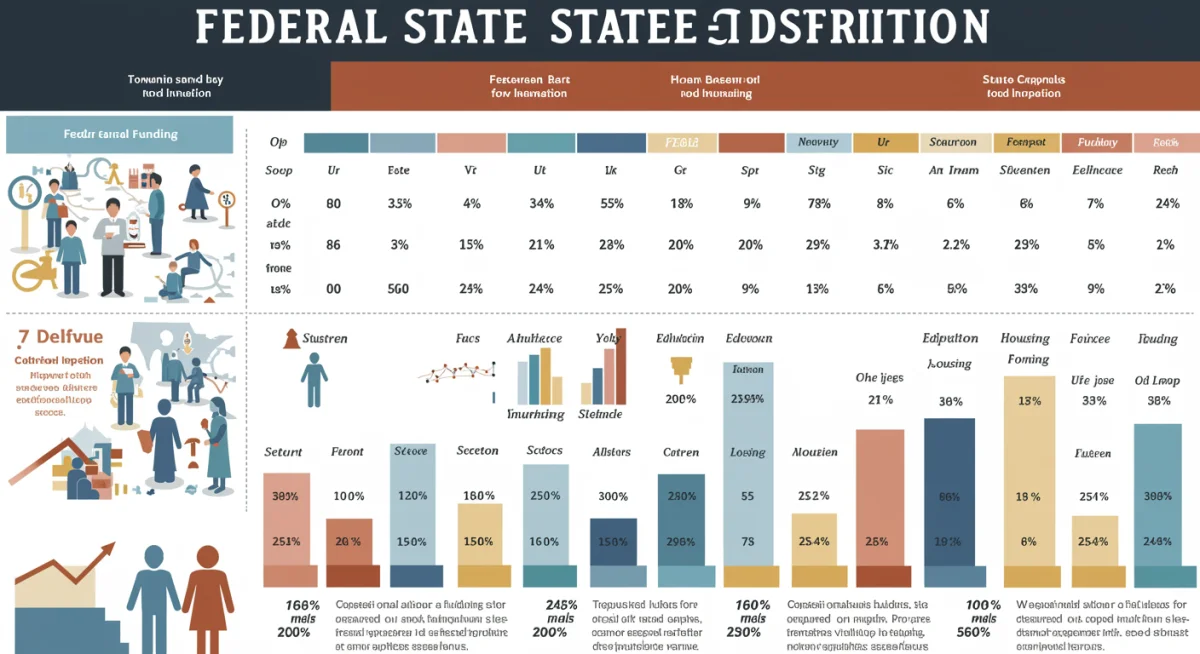
Federal vs. State Funding Models in 2026
The funding models for federal and state social programs in 2026 will continue to influence their reach and effectiveness. Federal programs like Social Security and Medicare operate with dedicated trust funds, primarily financed by payroll taxes. This structure provides a degree of insulation from annual political budget debates, though long-term solvency remains a recurring discussion.
Federal Direct Funding: Programs like Social Security and parts of Medicare are almost entirely federally funded and administered, ensuring national consistency.
Federal Block Grants: Funds provided to states with broad discretion on how they are spent (e.g., TANF), allowing for state-specific program design.
Federal Matching Funds: The federal government matches a percentage of state spending on certain programs (e.g., Medicaid), incentivizing states to invest more.
State-Only Funding: Programs entirely funded by state revenues, reflecting specific state priorities or needs not covered by federal initiatives.
The balance between federal and state funding often dictates the generosity and accessibility of programs. States with stronger economies and higher tax revenues may be able to offer more comprehensive state-funded programs or higher matching contributions for federal initiatives. Conversely, states with tighter budgets might struggle to provide extensive support, even with federal assistance.
In summary, the funding mechanisms are a critical factor in the success and sustainability of social programs. For families, understanding who funds what helps to explain disparities in benefits and services across different states and provides insight into the potential stability of the support they receive when comparing federal and state social programs in 2026.
Benefit Levels and Coverage: What Can Your Family Expect?
The ultimate goal for any family seeking social assistance is to understand the tangible benefits they can receive and how extensively those benefits will cover their needs. Benefit levels and coverage vary dramatically, not only between federal and state programs but also among states for similar types of aid. This variability is a key consideration when a family is comparing 2026 federal vs. state social programs.
Federal programs typically aim to provide a foundational level of support. For example, SNAP benefits are calculated based on national poverty guidelines, but states can influence their distribution and complementary programs. Medicaid, while federally mandated, allows states considerable flexibility in determining the scope of services covered and the specific populations served beyond the federal minimums.
Disparities in Assistance Across the Nation
The disparities in assistance can be significant. A family of four in one state might receive a substantially higher cash assistance benefit through TANF than a similar family in another state, even though both programs are federally funded. This is due to the broad discretion states have in setting their own benefit levels and eligibility rules within federal guidelines.
Cash Assistance: Varies greatly by state for programs like TANF, with some states offering significantly higher monthly benefits than others.
Healthcare Services: Medicaid coverage can differ, with some states offering more extensive dental, vision, or mental health benefits than others.
Food Assistance: While SNAP is federal, states can offer additional food programs or expand eligibility for certain groups.
Housing Support: State and local housing programs often provide more localized and varied support than federal programs, addressing specific community needs.
For families, this means that geographic location plays a pivotal role in the comprehensive support available. A move across state lines could significantly impact the types and amounts of benefits received. Therefore, a thorough investigation into the specific benefit levels and coverage offered by both federal and state programs in their particular area is imperative.
In conclusion, while federal programs establish a baseline, state programs often determine the true extent of support. Families must carefully evaluate the benefit levels and coverage offered by both tiers of government to accurately assess which programs best meet their unique requirements and provide the most comprehensive assistance in 2026.
How to Access Programs: Application and Support in 2026
Accessing social programs, whether federal or state, requires navigating application processes that can sometimes be complex and time-consuming. Understanding how to apply, what documentation is needed, and where to find assistance is crucial for successful enrollment. While some federal programs have centralized application portals, many are administered at the state or local level, meaning the application experience can vary significantly.
In 2026, many government agencies are continuing to streamline their application processes, offering online portals and digital submission options to improve accessibility. However, personal assistance through caseworkers, community organizations, and local social service offices remains vital for many families, especially those facing language barriers, technological challenges, or complex personal circumstances.
Streamlining the Application Process
The goal of streamlining applications is to reduce the burden on applicants and ensure that eligible individuals can access benefits more easily. This involves clearer instructions, simplified forms, and integrated systems where possible. However, the need for detailed documentation persists, requiring applicants to gather a range of personal and financial records.
Online Applications: Many federal and state programs offer online application portals for convenience and faster processing.
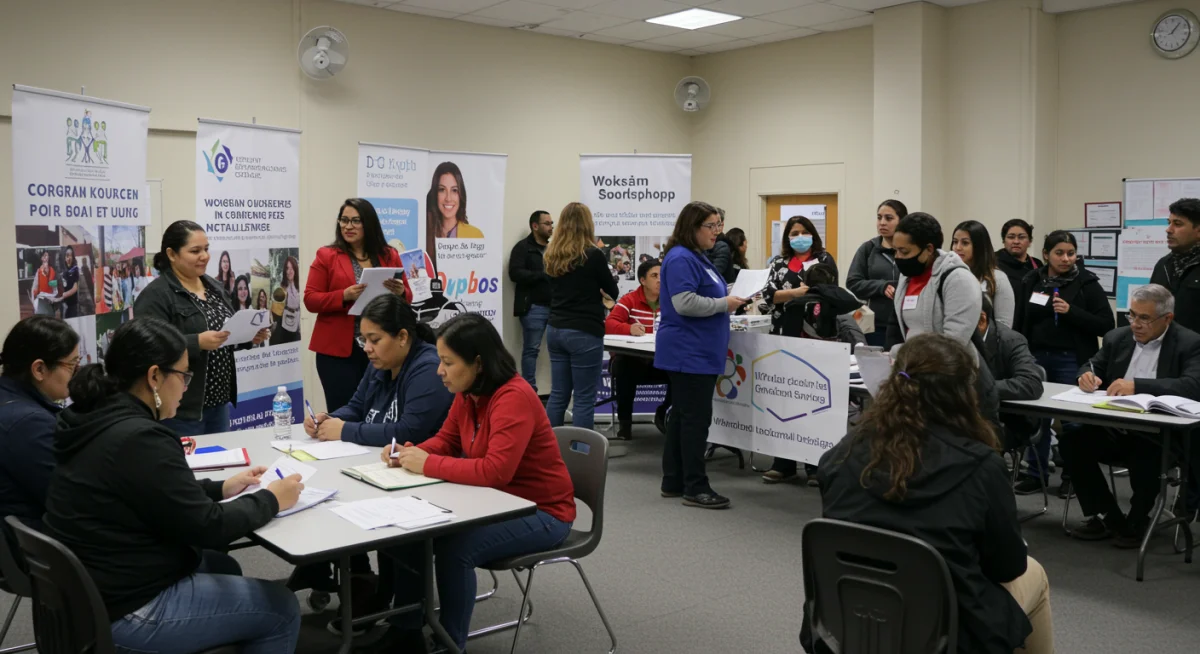
In-Person Assistance: Local social service offices, community centers, and non-profit organizations provide hands-on help with applications.
Required Documentation: Typically includes proof of identity, residency, income, assets, and family composition.
Follow-Up and Appeals: Understanding the process for follow-up on applications and appealing denied benefits is essential.
For federal programs like Social Security, applications are often handled directly through the Social Security Administration’s website or local offices. For joint federal-state programs like Medicaid and SNAP, applications are usually submitted through state human services departments, which may have their own online systems or local branch offices.
Ultimately, successful access to social programs in 2026 hinges on thorough preparation and knowing where to seek help. Families should not hesitate to utilize the support resources available to them, as these can make a significant difference in navigating the system and securing the necessary assistance. This proactive approach is key to benefiting from both federal and state social programs.
Making the Best Choice for Your Family’s Needs in 2026
Determining which social programs, federal or state, offer the best benefits for your family’s needs in 2026 is not a one-size-fits-all answer. It requires a personalized assessment of your specific circumstances, including income, family size, health needs, and geographic location. The optimal strategy often involves a combination of both federal and state programs, leveraging the national safety net while also taking advantage of localized support.
The key is to conduct thorough research, understand the eligibility criteria for both tiers of government, and compare the specific benefits offered. What might be a critical program for one family could be less relevant for another, depending on their unique challenges and goals. This personalized approach ensures that families maximize their access to available resources.
Strategic Planning for Optimal Benefits
Strategic planning involves more than just identifying individual programs; it means understanding how they interact and complement each other. For example, a family might qualify for federal SNAP benefits for food assistance, while also receiving state-specific childcare subsidies and housing aid. This layered approach can provide a more comprehensive safety net.
Assess Family Needs: Identify the most pressing needs, whether they are financial, medical, housing, or educational.
Research Federal Programs: Understand the baseline support available nationwide.
Investigate State Programs: Explore specific benefits and enhanced coverage offered by your state.
Consult Local Resources: Engage with social workers or community organizations for personalized guidance and application assistance.
It is also important to stay informed about potential changes to social programs. Policies and funding can evolve, impacting eligibility or benefit levels. Regularly reviewing your family’s situation and checking for updates from federal and state agencies will help ensure you continue to receive the most beneficial support.
In conclusion, making the best choice for your family in 2026 involves a diligent comparison of federal vs. state social programs. By understanding the intricate details of eligibility, funding, and benefits, and by strategically combining different forms of aid, families can build a robust support system tailored to their individual needs and circumstances.
Key Aspect
Description
Federal Programs
National baseline support, uniform eligibility criteria, broad scope (e.g., Social Security, Medicare).
State Programs
Tailored support, variable eligibility and benefits, address specific local needs (e.g., TANF variations, state housing aid).
Eligibility Differences
Federal programs set floors; states can adjust income/asset limits, creating varied access.
Funding & Benefits
Federal funds often matched by states, influencing benefit generosity and program coverage significantly.
Frequently Asked Questions About Social Programs in 2026
What is the primary difference between federal and state social programs?▼
Federal social programs establish a national baseline of support, funded and often administered federally, ensuring a minimum standard across the U.S. State programs, conversely, are designed to complement federal aid, offering tailored benefits and services based on specific local needs, priorities, and funding capabilities, leading to significant variations by state.
Can my family receive benefits from both federal and state programs simultaneously?▼
Yes, many families are eligible for and receive benefits from both federal and state social programs concurrently. Often, state programs are designed to work in conjunction with federal initiatives, enhancing the overall support package. However, it’s crucial to check specific program rules, as some benefits might have coordination requirements or impact eligibility for others.
How do eligibility requirements for social programs vary between states?▼
Eligibility requirements can vary significantly between states, even for programs with federal funding like Medicaid or TANF. States often have the discretion to set their own income thresholds, asset limits, and other criteria, which means a family eligible in one state might not qualify in another. Always check your specific state’s guidelines.
Where can I find reliable information about social programs in my state for 2026?▼
For reliable information on social programs in your state for 2026, start with your state’s Department of Human Services or Social Services website. Local community centers, non-profit organizations, and social workers are also excellent resources that can provide personalized guidance and assistance with applications and eligibility.
What are the main areas where federal and state programs differ in terms of benefits?▼
The main differences in benefits often appear in areas like cash assistance amounts (e.g., TANF), the scope of healthcare services covered beyond federal minimums (e.g., Medicaid dental/vision), and the availability of specialized housing or childcare subsidies. Federal programs provide a floor, while states can offer a more generous ceiling based on their resources.
Conclusion
The journey of comparing 2026 federal vs. state social programs reveals a landscape of support designed to meet diverse family needs across the United States. Federal programs establish a vital national safety net, offering foundational assistance in areas like income security, healthcare, and nutrition. Complementing this, state programs provide crucial localized support, adapting to specific community requirements and often enhancing federal benefits. The complex interplay of varying eligibility criteria, funding mechanisms, and benefit levels means that a family’s access to aid is deeply influenced by their unique circumstances and geographic location. Truly understanding which programs offer the best benefits requires diligent research, personalized assessment, and often, consulting with local resources to navigate the intricate system effectively. By embracing this comprehensive approach, families can strategically secure the most advantageous combination of support, ensuring their well-being in 2026 and beyond.