Energy Prices and U.S. Economy: 2026 Forecast & Consumer Impact
This article provides a detailed 2026 forecast on energy prices and their significant ripple effects across the U.S. economy, highlighting key consumer implications and offering strategic insights for navigating the evolving energy landscape.
The 2026 forecast for energy prices suggests continued volatility influenced by geopolitical factors and supply-demand dynamics, profoundly impacting the U.S. economy through inflation, consumer spending shifts, and strategic investments in renewable alternatives.
Understanding the intricate dance between energy costs and economic stability is more crucial than ever. This article delves into the projected landscape of energy prices and the U.S. economy: a 2026 forecast and consumer implications, offering a forward-looking perspective on what to expect and how these shifts might shape our daily lives.
the global energy landscape in 2026
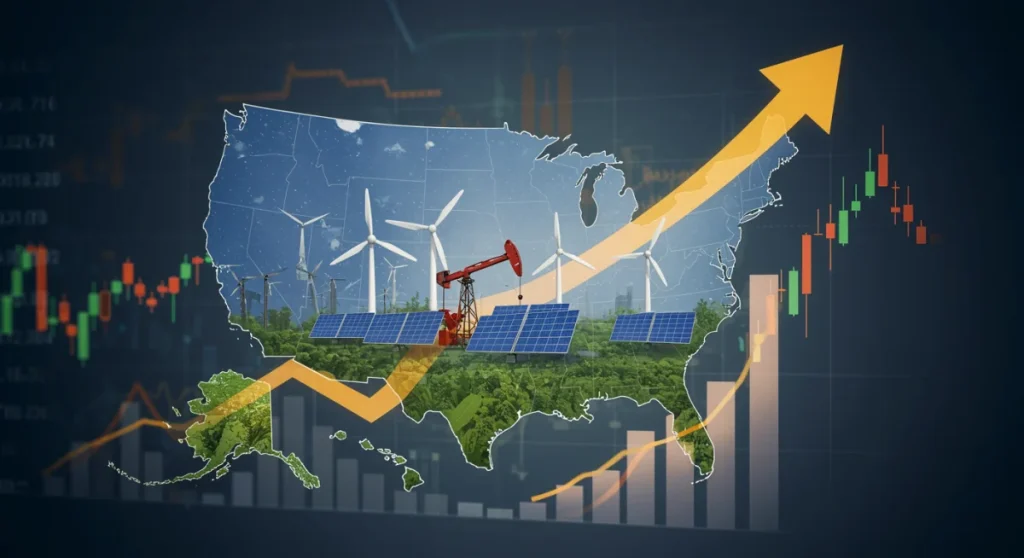
As we approach 2026, the global energy landscape remains a complex tapestry of interconnected factors. Geopolitical tensions, technological advancements, and evolving environmental policies are all poised to exert significant influence on energy prices. The interdependence of nations on energy resources means that localized events can quickly ripple across international markets, affecting everything from crude oil benchmarks to natural gas futures.
The transition towards cleaner energy sources, while gaining momentum, continues to face challenges related to infrastructure, storage, and the sheer scale of global demand. This dual-track approach—relying on traditional fossil fuels while simultaneously investing in renewables—creates inherent market volatility. Expect 2026 to be a year where these competing forces continue to vie for dominance, shaping price trajectories and supply stability.
geopolitical factors and supply chain resilience
Geopolitical events are arguably the most unpredictable yet impactful drivers of energy prices. Conflicts, trade disputes, and shifts in international alliances can disrupt supply routes, reduce production, and trigger speculative trading, leading to sharp price spikes. The global supply chain for energy, from extraction to refinement and distribution, is highly sensitive to such disruptions.
Regional conflicts: Ongoing or new conflicts in oil-producing regions can severely limit global supply.
Sanctions and trade policies: Economic sanctions against major energy exporters can alter market dynamics.
OPEC+ decisions: Production quotas set by the Organization of the Petroleum Exporting Countries and its allies remain a critical determinant of crude oil prices.
technological advancements and renewable energy integration
Technological breakthroughs in renewable energy, such as advancements in solar panel efficiency, battery storage capacity, and offshore wind turbine technology, are steadily increasing the viability and competitiveness of clean energy. However, the pace of integration into national grids and the ability to meet baseload demand without significant fossil fuel backup are still evolving.
In 2026, we anticipate further progress in these areas, potentially offering some downward pressure on long-term energy costs, but short-term reliance on conventional sources will persist. The development of small modular reactors (SMRs) for nuclear energy also presents a promising, albeit longer-term, solution for stable, low-carbon power generation.
The global energy landscape in 2026 will be characterized by a delicate balance between persistent geopolitical risks and the accelerating, yet still insufficient, transition to renewables. This dynamic will underscore the continued volatility in energy markets, demanding adaptability from both producers and consumers.
crude oil and natural gas: price outlook for 2026
The price trajectories of crude oil and natural gas are central to the overall energy outlook for 2026. These commodities not only fuel transportation and heating but also serve as foundational inputs for numerous industrial processes and power generation. Forecasting their prices involves an intricate analysis of supply, demand, inventory levels, and speculative market activity.
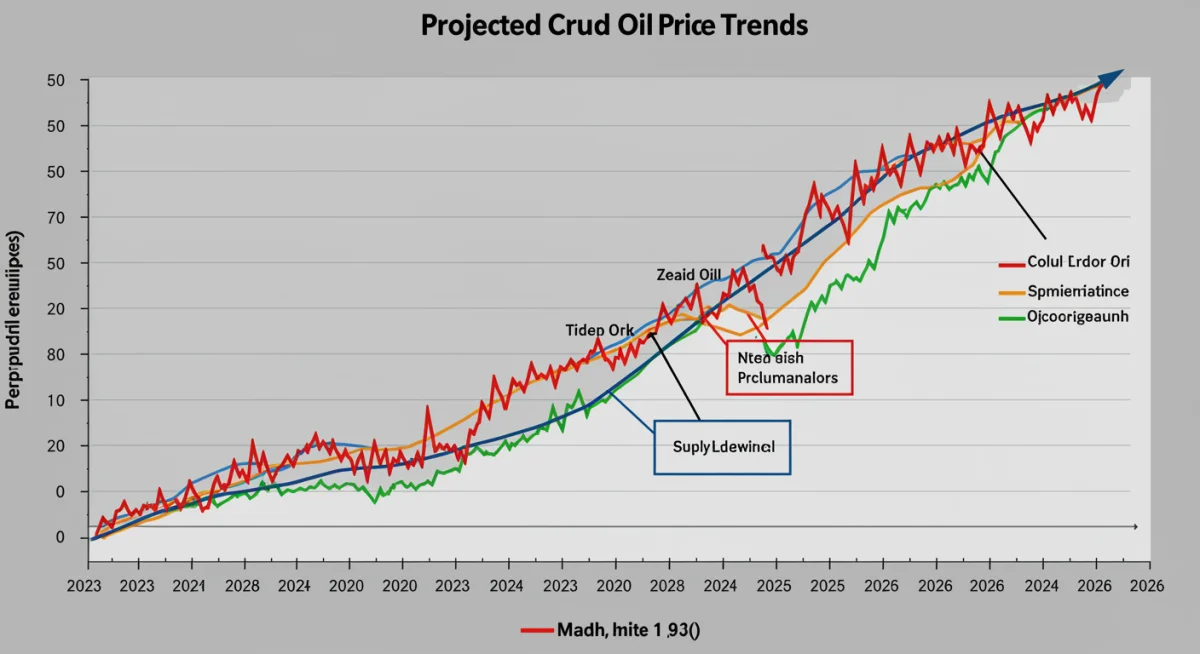
For crude oil, analysts generally anticipate continued price volatility, likely oscillating within a range influenced by global economic growth, OPEC+ production policies, and the pace of the energy transition. Natural gas, particularly in the U.S., benefits from abundant domestic production, but its prices are increasingly tied to international liquefied natural gas (LNG) demand and export capacity.
factors influencing crude oil prices
Several critical factors will shape crude oil prices in 2026. Global economic health is paramount; a robust economy typically translates to higher demand for transportation fuels and industrial output, pushing prices upward. Conversely, a slowdown could lead to decreased demand and softer prices. The delicate balance maintained by OPEC+ through production cuts or increases will also play a pivotal role.
Global economic growth: Strong GDP growth in major economies will drive demand.
OPEC+ production strategies: Decisions on output quotas significantly influence supply.
U.S. shale oil production: The responsiveness of American shale producers to price signals impacts global supply.
Strategic petroleum reserves: Government releases from strategic reserves can temporarily stabilize prices.
natural gas market dynamics
U.S. natural gas markets in 2026 will likely continue to be shaped by domestic production strength and expanding LNG export capabilities. While domestic supply has generally kept prices relatively stable compared to global benchmarks, the increasing integration into the global LNG market means U.S. prices are becoming more susceptible to international demand shocks and geopolitical events affecting European and Asian buyers.
Weather patterns, particularly extreme temperatures during winter and summer, also heavily influence natural gas demand for heating and cooling, leading to seasonal price fluctuations. Infrastructure developments, such as new pipeline projects and LNG terminals, will also be crucial for ensuring efficient supply distribution and export capacity.
Overall, 2026 will see crude oil prices remain sensitive to global economic shifts and geopolitical maneuvers, while natural gas prices, though underpinned by strong domestic supply, will increasingly reflect international demand for LNG. Both commodities will contribute significantly to the broader energy cost picture for the U.S. economy.
renewable energy and electricity markets
The role of renewable energy sources in the U.S. electricity market is expanding rapidly, a trend set to accelerate into 2026. Solar, wind, and hydropower are becoming increasingly cost-competitive, driven by technological innovations, supportive government policies, and growing environmental consciousness. This shift is fundamentally altering the dynamics of electricity generation and pricing.
While renewables offer the promise of stable, zero-fuel-cost electricity once built, their intermittent nature—solar panels only generate power when the sun shines, wind turbines when the wind blows—presents challenges for grid stability and reliability. Integrating these variable sources requires significant investment in grid modernization, energy storage solutions, and smart demand management, all of which have cost implications.
growth of solar and wind power
Both solar and wind power are expected to see substantial additions to U.S. generation capacity by 2026. Utility-scale solar farms and distributed rooftop solar installations continue to proliferate, while onshore and offshore wind projects are expanding their footprint. These developments are supported by federal incentives, such as tax credits, and state-level renewable portfolio standards.
The increasing penetration of these technologies can, at times, lead to lower wholesale electricity prices during periods of high renewable output. However, the grid infrastructure must evolve to handle this influx, including upgrades to transmission lines and the deployment of advanced battery storage systems to ensure power is available when needed, even when the sun isn’t shining or the wind isn’t blowing.
grid modernization and storage solutions
To effectively integrate a higher share of renewables, significant investments in grid modernization are essential. This includes developing smart grid technologies that can dynamically manage energy flows, as well as enhancing transmission capacity to move power from remote renewable generation sites to demand centers. Energy storage, particularly large-scale battery systems, is crucial for balancing supply and demand.
Battery storage: Decreasing costs make utility-scale batteries more viable for grid stabilization.
Transmission upgrades: Necessary to transport renewable energy efficiently across regions.
Smart grid technologies: Improve efficiency and reliability by optimizing energy distribution.
The expansion of renewable energy and the necessary grid modernization efforts will influence electricity prices in 2026. While the direct cost of generating power from renewables is often low, the substantial investments in infrastructure and storage, alongside the need for reliable backup generation, will continue to shape consumer electricity bills. The long-term trend, however, points towards a more diversified and potentially more stable electricity supply.
impact on the U.S. economy and inflation
The trajectory of energy prices in 2026 will have a profound and multifaceted impact on the U.S. economy, particularly concerning inflation and overall economic growth. Energy is a foundational input for almost every sector, meaning fluctuations in its cost quickly permeate through the supply chain, affecting production costs, transportation expenses, and ultimately, consumer prices.
Higher energy costs can act as a tax on consumers and businesses, reducing disposable income for households and eroding profit margins for companies. This can lead to decreased consumer spending, slower business investment, and a general dampening of economic activity. Conversely, stable or declining energy prices can provide a significant boost to economic growth by freeing up capital for other expenditures and investments.
energy prices and the inflation outlook
Inflation, a persistent concern in recent years, is highly sensitive to energy price movements. When crude oil, natural gas, or electricity costs rise, businesses face increased expenses for manufacturing, heating, cooling, and transportation. These higher costs are often passed on to consumers in the form of elevated prices for goods and services, contributing directly to inflationary pressures.
Manufacturing expenses: Energy-intensive industries face increased operational costs.
Utility bills: Higher electricity and natural gas prices directly affect household budgets.
macroeconomic implications
Beyond direct inflation, elevated energy prices can trigger broader macroeconomic challenges. Central banks, like the Federal Reserve, may respond to persistent inflationary pressures by raising interest rates, which can slow economic growth by making borrowing more expensive for businesses and consumers. This delicate balancing act between controlling inflation and fostering economic growth is a constant challenge for policymakers.
Furthermore, energy price shocks can exacerbate income inequality, as lower-income households typically spend a larger proportion of their budgets on essential energy needs. This can lead to reduced overall consumer confidence and spending, further impacting economic stability. The U.S. economy in 2026 will need to navigate these complex interactions carefully to maintain a path of sustainable growth and price stability.
consumer implications and household budgets
For the average American household, the forecast for energy prices in 2026 translates directly into tangible impacts on daily living expenses and budget planning. Energy costs are not merely abstract economic indicators; they are concrete line items on utility bills, gasoline receipts, and the price tags of nearly every product and service consumed. Understanding these implications is crucial for making informed financial decisions.
Higher energy prices mean that a larger portion of household income must be allocated to essential energy consumption, leaving less for discretionary spending, savings, or other investments. This can force families to make difficult choices, potentially affecting their quality of life and long-term financial security. Conversely, stable or decreasing energy prices can offer welcome relief, providing more financial flexibility.
direct costs: gasoline, electricity, and heating
The most immediate and visible impacts of energy price fluctuations on consumers are felt at the gas pump and in monthly utility bills. Gasoline prices directly affect transportation costs, impacting daily commutes, travel, and the overall cost of goods due to increased shipping expenses. Electricity and natural gas bills, critical for heating, cooling, and powering homes, can see significant increases, especially during peak demand seasons.
These direct costs can represent a substantial portion of a household’s budget, particularly for those with lower incomes or living in regions with extreme weather conditions. Preparing for potential increases by improving home energy efficiency or exploring public assistance programs can become vital strategies for managing these expenses.
indirect costs and lifestyle adjustments
Beyond direct energy expenses, consumers also face indirect costs. The increased energy costs for businesses are often passed on through higher prices for food, clothing, and other consumer goods. This phenomenon, known as cost-push inflation, means that even non-energy-related purchases become more expensive due to the underlying energy input costs.
Higher food prices: Energy is used in farming, processing, and transporting food products.
Increased retail prices: Businesses pass on higher operational costs to consumers.
Travel and leisure: Higher fuel costs can make vacations and recreational activities more expensive.
In response to these financial pressures, consumers may need to make various lifestyle adjustments. This could include reducing non-essential spending, seeking more fuel-efficient vehicles, investing in energy-saving home improvements, or adjusting thermostat settings. The ability of households to adapt to these changes will be a key factor in mitigating the financial strain imposed by evolving energy prices in 2026.
government policies and future energy strategies
Government policies play a pivotal role in shaping the energy landscape and mitigating the economic and consumer impacts of price volatility. For 2026, federal and state governments in the U.S. are expected to continue pursuing a blend of strategies aimed at ensuring energy security, promoting economic stability, and advancing environmental goals. These policies can range from direct subsidies and tax incentives to regulatory frameworks and international agreements.
The balance between supporting traditional energy industries and accelerating the transition to clean energy sources is a consistent challenge. Policymakers must weigh the immediate needs for affordable and reliable energy against the long-term imperative of climate action. The choices made in this arena will significantly influence the availability and cost of energy for years to come.
federal initiatives and incentives
The U.S. federal government has implemented various initiatives designed to influence energy markets. Legislation such as the Inflation Reduction Act (IRA) includes substantial tax credits and incentives for renewable energy deployment, electric vehicles, and energy efficiency upgrades. These measures aim to reduce reliance on fossil fuels, stimulate green industries, and ultimately lower long-term energy costs for consumers.
Additionally, federal policies related to oil and gas production, including leasing decisions on public lands and offshore areas, can affect domestic supply. Strategic petroleum reserve management also remains a tool for managing short-term supply disruptions and price spikes. The effectiveness of these policies in 2026 will depend on their continuity and adaptability to evolving market conditions.
state-level policies and regional differences
Beyond federal actions, individual states often implement their own energy policies, leading to significant regional variations in energy costs and infrastructure development. Many states have aggressive renewable energy mandates, incentives for energy efficiency, and regulations regarding utility operations. These state-specific approaches can create distinct energy market dynamics within different parts of the U.S.
Renewable portfolio standards: State mandates for a certain percentage of electricity from renewables.
Energy efficiency programs: State-sponsored initiatives for home and business energy upgrades.
Carbon pricing mechanisms: Some states explore carbon taxes or cap-and-trade systems.
The interplay of federal and state policies will be critical in shaping the U.S. energy landscape in 2026. While federal initiatives aim for broad systemic changes, state-level policies often provide localized solutions and can serve as incubators for innovative energy strategies. The collective impact of these governmental actions will be a key determinant of energy prices and their broader economic implications.
strategies for businesses and investors
For businesses and investors, navigating the complex and often volatile energy market of 2026 requires proactive strategies focused on risk management, efficiency, and diversification. Energy costs represent a significant operational expense for many businesses, and price fluctuations can directly impact profitability and competitiveness. Investors, meanwhile, seek opportunities in both traditional and emerging energy sectors while managing exposure to market risks.
Smart energy management is no longer just a cost-saving measure but a strategic imperative. Businesses that can effectively hedge against price volatility, improve energy efficiency, and explore alternative energy sources will be better positioned to thrive in an unpredictable environment. Investors will look for companies with robust energy transition plans and those poised to capitalize on shifting market trends.
business energy management and efficiency
Businesses can adopt several strategies to mitigate the impact of rising energy prices. Investing in energy-efficient equipment, optimizing operational processes to reduce energy consumption, and implementing smart building management systems are crucial steps. These measures not only lower utility bills but also enhance sustainability credentials, which are increasingly important for consumers and investors.
Energy audits: Identify areas for significant energy savings.
Renewable energy procurement: Explore purchasing renewable energy directly or installing on-site generation.
Hedging strategies: Utilize financial instruments to lock in energy prices and reduce volatility risk.
Supply chain optimization: Reduce transportation costs by streamlining logistics.
investment opportunities in the energy sector
The evolving energy landscape presents diverse investment opportunities. Traditional energy companies are investing heavily in carbon capture technologies and transitioning portfolios towards cleaner fuels. The renewable energy sector continues to attract significant capital, particularly in solar, wind, battery storage, and grid infrastructure development. Investors are also eyeing companies involved in critical minerals for battery production and electric vehicle charging infrastructure.
Furthermore, the development of hydrogen as a clean fuel source and advancements in nuclear small modular reactors (SMRs) represent long-term investment themes. Diversifying across different energy sectors and technologies can help investors capitalize on growth areas while managing risks associated with specific market segments. Understanding the regulatory environment and technological innovation will be key to successful investment strategies in 2026.
Ultimately, robust energy management practices and informed investment decisions will be critical for businesses and investors navigating the 2026 energy market. By focusing on efficiency, diversification, and strategic adaptation, stakeholders can transform potential challenges into opportunities for growth and resilience.
Key Aspect
2026 Outlook
Global Energy Volatility
Continued fluctuations driven by geopolitics and supply-demand imbalances.
U.S. Economic Impact
Inflationary pressures and shifts in consumer spending expected.
Renewable Energy Growth
Significant expansion of solar and wind, impacting electricity markets.
Consumer Adaptation
Households will need to adjust budgets and consider energy efficiency.
frequently asked questions about energy prices and the U.S. economy in 2026
What are the primary drivers of energy price volatility in 2026?▼
The primary drivers include geopolitical tensions, global supply chain disruptions, OPEC+ production policies, and the evolving pace of the clean energy transition. These factors create a complex and often unpredictable market environment for crude oil, natural gas, and electricity, leading to significant price fluctuations throughout the year.
How will energy prices impact U.S. inflation in 2026?▼
Higher energy prices are expected to contribute to inflationary pressures in the U.S. economy. Increased costs for fuel and utilities raise production and transportation expenses for businesses, which are typically passed on to consumers through higher prices for goods and services, affecting overall purchasing power and household budgets.
What role will renewable energy play in the 2026 energy market?▼
Renewable energy, particularly solar and wind, will continue its rapid expansion, increasing its share in the electricity mix. While offering long-term stability and environmental benefits, the integration of renewables will also necessitate significant investments in grid modernization and energy storage solutions to ensure reliability and manage intermittency.
How can consumers prepare for potential energy cost increases in 2026?▼
Consumers can prepare by focusing on energy efficiency improvements in their homes, such as upgrading insulation or appliances. Budgeting for potential increases in utility and gasoline expenses, exploring public assistance programs, and considering alternative transportation methods can also help mitigate the financial impact of rising energy costs.
What strategies should businesses adopt regarding energy in 2026?▼
Businesses should prioritize energy efficiency through audits and operational optimization. Exploring renewable energy procurement, implementing hedging strategies to manage price volatility, and optimizing supply chains to reduce transportation costs are crucial. These measures enhance resilience and contribute to long-term sustainability and competitiveness in the evolving energy market.
conclusion
The 2026 outlook for energy prices and their impact on the U.S. economy presents a landscape of both challenges and opportunities. Geopolitical uncertainties will continue to fuel market volatility, while the ongoing transition to renewable energy sources will reshape generation, distribution, and consumption patterns. For consumers, this translates into a need for adaptable budgeting and a focus on energy efficiency. For businesses and investors, strategic planning, risk management, and a keen eye on emerging technologies will be paramount. As the U.S. navigates these complex energy dynamics, informed decision-making and proactive strategies will be crucial for fostering economic stability and sustainable growth.