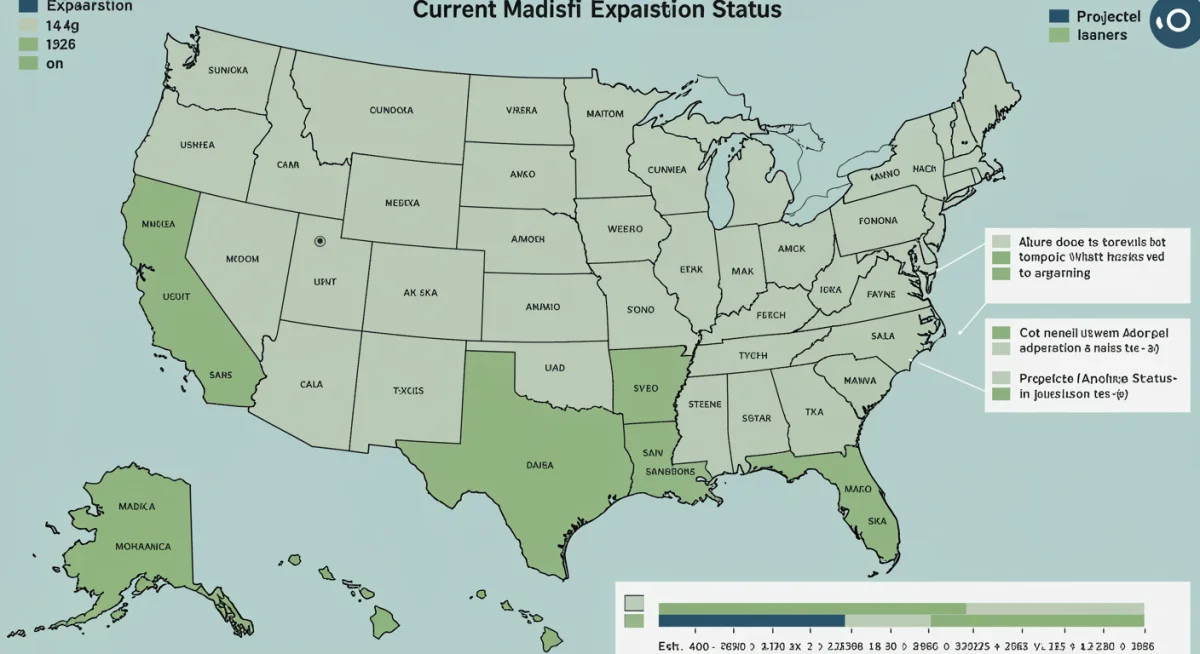
Medicaid Expansion 2026: Eligibility Changes for 5 Million Americans
The anticipated 2026 Medicaid expansion changes are set to significantly alter eligibility for approximately 5 million Americans, with impacts varying state by state, demanding close attention to evolving healthcare access.
The anticipated 2026 Medicaid expansion changes are set to significantly alter eligibility for approximately 5 million Americans, with impacts varying state by state, demanding close attention to evolving healthcare access.
As we approach 2026, the landscape of healthcare in the United States is poised for significant shifts, particularly concerning Medicaid. The impending changes in Medicaid Expansion 2026 are projected to impact the eligibility of approximately 5 million Americans, creating both opportunities and challenges across various states. Understanding these complex, state-specific modifications is crucial for individuals, families, and healthcare providers alike.
Understanding the Foundations of Medicaid Expansion
Medicaid, a joint federal and state program, provides health coverage to millions of low-income Americans. Its expansion, a key provision of the Affordable Care Act (ACA), allowed states to extend eligibility to nearly all non-elderly adults with incomes up to 138% of the federal poverty level (FPL). This move aimed to significantly reduce the number of uninsured individuals, offering a vital safety net. However, not all states adopted expansion immediately, leading to a patchwork system across the nation.
The decision to expand Medicaid has historically been left to individual states, resulting in substantial disparities in coverage. States that expanded saw significant drops in uninsured rates and improvements in access to care, while non-expansion states often had a coverage gap, leaving many low-income adults without affordable health insurance options. The ongoing debate around Medicaid expansion highlights a fundamental tension between federal healthcare goals and states’ fiscal and political autonomy.
Historical Context and State Decisions
When the ACA was passed, it envisioned a nationwide expansion of Medicaid. However, a 2012 Supreme Court ruling made expansion optional for states. This pivotal decision led to a bifurcated system:
Expansion States: These states opted to extend Medicaid coverage, often citing benefits like improved public health, economic stimulus, and reduced uncompensated care costs for hospitals.
Non-Expansion States: These states chose not to expand, often citing concerns about state budget impacts, philosophical opposition to federal mandates, or belief in market-based healthcare solutions.
Recent Adopters: A few states have expanded Medicaid more recently, often after years of internal debate and public pressure, demonstrating a slow but steady shift towards broader coverage.
The financial incentives for states to expand Medicaid are considerable, with the federal government covering a significant portion of the costs. Despite this, political and ideological factors continue to play a substantial role in state-level decisions, shaping the access to healthcare for millions. Understanding this historical context is essential for grasping the complexities of upcoming changes.
The foundational principles of Medicaid expansion aimed to ensure that more low-income individuals could access essential healthcare services. The varied adoption rates among states have created a complex and sometimes confusing landscape, which continues to evolve as we approach 2026. These shifts underscore the dynamic nature of healthcare policy in the U.S.
Projected Eligibility Changes in 2026: Who is Affected?
The year 2026 is anticipated to bring a new wave of adjustments to Medicaid eligibility, potentially affecting up to 5 million Americans. These changes stem from a combination of factors, including the winding down of certain pandemic-era provisions, shifts in federal funding structures, and ongoing debates at the state level regarding expansion. For many, these modifications could mean a re-evaluation of their current healthcare coverage, necessitating proactive engagement with state Medicaid agencies.
The impact will not be uniform. Some states may see significant increases in eligible populations due to new expansion adoptions or modifications to existing programs. Conversely, others might experience tightening of criteria, potentially leading to some individuals losing coverage. It’s a dynamic scenario that demands close monitoring and understanding, especially for vulnerable populations who rely heavily on Medicaid for their health needs.
Key Demographic Groups at Risk
Low-Income Adults: Many non-elderly adults in non-expansion states currently fall into a coverage gap. New state decisions could open or close this gap.
Individuals with Chronic Conditions: Access to consistent care is critical for this group. Eligibility changes could disrupt treatment plans.
Families with Children: While children’s Medicaid eligibility is generally more stable, changes affecting parents can indirectly impact family health stability.
Formerly Incarcerated Individuals: This population often faces significant barriers to healthcare access, and Medicaid expansion is a vital pathway to care upon re-entry.
The specifics of these changes are still being formulated in many state legislatures and health departments. However, the general trend indicates a move towards more refined eligibility criteria, often influenced by state budgetary considerations and evolving federal guidelines. The sheer number of affected individuals underscores the profound societal impact of these policy shifts.
For individuals currently enrolled in Medicaid or those who believe they might be eligible, understanding these forthcoming changes is paramount. Proactive engagement with state resources and healthcare navigators will be essential to ensure continued access to necessary medical care. The shifting tides of eligibility in 2026 will undoubtedly present a complex challenge for millions.
State-by-State Analysis: Expansion Adoptions and Retractions
The story of Medicaid expansion in the United States is a narrative of diverse state-level decisions, and 2026 promises to add new chapters to this evolving saga. While some states may finally embrace expansion, others might consider modifications or even retractions, driven by political shifts, budgetary pressures, or evolving interpretations of federal guidelines. This creates a highly fragmented landscape, where access to healthcare can vary dramatically just across state lines.
Understanding which states are moving in what direction is critical for anticipating the broader impact on the healthcare system and individual citizens. The decisions made in state capitals will directly determine whether millions gain or lose access to vital medical services. This analysis requires a deep dive into the specific legislative and economic environments of each state.
Potential Expansion Adopters by 2026
Several states that have historically resisted Medicaid expansion are facing renewed pressure to adopt it, often fueled by public demand, economic arguments, and the availability of enhanced federal funding. States like Wyoming, Kansas, and Texas have seen ongoing debates, with advocates highlighting the economic benefits and improved health outcomes. If these states expand, it could significantly reduce their uninsured populations and inject federal dollars into their economies.
The political will in these states is often a delicate balance of partisan politics and fiscal realities. However, with increasing evidence of the positive impacts of expansion, the tide may be turning. New legislative sessions could bring fresh proposals and, potentially, the necessary votes for adoption.
States Considering Modifications or Retractions
While expansion is the trend in some areas, other states, particularly those with long-standing expansion programs, might consider modifications to their Medicaid offerings. These could include:
Work Requirements: Some states have sought or implemented work requirements for beneficiaries, though many have been challenged in courts.
Premium or Co-pay Adjustments: States might adjust cost-sharing mechanisms to manage budgets or encourage personal responsibility.
Benefit Reductions: Less common, but states could consider scaling back certain non-mandated benefits to control costs.
Retractions of full expansion are less likely due to the significant federal funding involved and the political backlash they would likely cause. However, minor adjustments and stricter enforcement of existing rules are always possibilities. The ongoing review of state Medicaid programs by federal authorities also plays a role in these dynamics.
Ultimately, the state-by-state variations in Medicaid expansion reflect a complex interplay of political ideologies, economic considerations, and public health priorities. For citizens, staying informed about their specific state’s trajectory is paramount to understanding their future healthcare options and rights.
Economic and Social Implications of Medicaid Changes
The ripple effects of changes to Medicaid eligibility extend far beyond individual healthcare access, profoundly influencing state economies, local communities, and the broader social fabric. When millions of Americans experience shifts in their health coverage, it impacts everything from hospital finances to employment rates and community well-being. The economic and social implications of Medicaid changes in 2026 are thus a critical aspect to consider for policymakers and citizens alike.
Expanded Medicaid coverage has been consistently linked to positive economic outcomes, such as reduced uncompensated care burdens for hospitals, which can lead to greater financial stability and even job creation in the healthcare sector. Conversely, contractions in coverage can strain healthcare providers and increase the financial burden on individuals and families, potentially leading to medical debt and economic instability.
Impact on State Budgets and Healthcare Providers
For states, the decision to expand or contract Medicaid carries significant budgetary consequences. While expansion involves an initial state investment, the substantial federal matching funds often lead to net fiscal benefits, including increased tax revenue from a healthier workforce and reduced state spending on other programs that serve the uninsured. Non-expansion states, meanwhile, often incur higher costs from uncompensated care, which is then passed on to taxpayers through higher insurance premiums or local taxes.
Healthcare providers, particularly hospitals and community health centers, are directly affected. In expansion states, they often see:
Reduced Uncompensated Care: Fewer uninsured patients mean less care provided without reimbursement.
Increased Revenue: More insured patients lead to more stable revenue streams.
Improved Financial Stability: This allows for investments in services, technology, and staff.
In non-expansion states, providers often struggle with higher rates of uncompensated care, leading to financial strain, potential service reductions, and even hospital closures, especially in rural areas.
Social Consequences and Public Health
From a social perspective, Medicaid expansion has been shown to improve public health outcomes significantly. Access to preventative care, chronic disease management, and mental health services can lead to healthier populations, increased productivity, and reduced rates of premature death. When eligibility tightens, these gains can be reversed, leading to:
Worsened Health Outcomes: Delayed or forgone care for preventable conditions.
Increased Medical Debt: Uninsured individuals are more likely to face crippling medical bills.
Reduced Productivity: A less healthy workforce can impact local economies.
Mental Health Crisis: Reduced access to mental health services compounds existing challenges.
The changes in 2026 will undoubtedly shape the health and economic well-being of millions. Understanding these profound implications is crucial for informed public discourse and effective policy advocacy. The choices made at the state level will resonate deeply within communities, influencing both individual lives and collective prosperity.
Navigating the Application and Enrollment Process in 2026
For the millions of Americans potentially affected by the 2026 Medicaid eligibility changes, understanding and successfully navigating the application and enrollment process will be paramount. The complexities of state-specific guidelines, documentation requirements, and application portals can be daunting. Proactive preparation and seeking assistance will be key to maintaining or securing vital health coverage. Individuals should not wait until the last minute to explore their options and understand the new rules that may apply to them.
The process often involves several steps, from initial eligibility screening to submitting detailed documentation and attending interviews. Each state has its own system, and while federal guidelines provide a framework, the nuances can vary significantly. Being well-informed about these procedural differences can make a substantial difference in the success of an application.
Essential Steps for Applicants
To prepare for and navigate the Medicaid application process in 2026, individuals should consider the following steps:
Stay Informed: Regularly check your state’s Medicaid agency website for updates on eligibility criteria and application requirements.
Gather Documentation: Prepare necessary documents such as proof of income, residency, citizenship/immigration status, household size, and any existing health conditions.
Utilize Online Portals: Most states offer online application systems, which can simplify the process and track application status.
Seek Assistance: Do not hesitate to contact state Medicaid offices, local health departments, or community navigators for personalized help.
The application process can be time-consuming, and errors or omissions can lead to delays or denials. Therefore, meticulous attention to detail and thorough preparation are crucial. Understanding the specific income thresholds and household definitions for your state will be a primary focus, as these are often the most common points of confusion.
Resources for Assistance and Support
Recognizing the challenges, numerous resources are available to assist individuals through the enrollment journey:
State Medicaid Agencies: These are the primary source for official information, application forms, and direct assistance.
HealthCare.gov or State Marketplaces: These platforms can help determine eligibility for Medicaid or other subsidized health plans.
Community Health Centers: Many centers offer enrollment assistance and have staff trained to guide applicants.
Navigator Programs: Federally funded programs provide free, unbiased help with understanding options and enrolling in coverage.
Legal Aid Societies: For complex cases or appeals of denied applications, legal aid can provide invaluable support.
The goal is to ensure that eligible individuals successfully enroll and maintain their coverage. The landscape of Medicaid in 2026 will undoubtedly require vigilance and adaptability from applicants. By leveraging available resources and remaining proactive, individuals can successfully navigate these changes and secure their healthcare future.
The Role of Advocacy and Public Engagement
As Medicaid eligibility undergoes significant transformations in 2026, the importance of advocacy and public engagement cannot be overstated. These changes will not occur in a vacuum; they are shaped by public opinion, legislative action, and the persistent efforts of various advocacy groups. For the 5 million Americans whose healthcare access is on the line, active participation and informed advocacy are vital tools to influence policy outcomes and ensure that the voices of those most affected are heard loud and clear.
Advocacy ranges from individual outreach to elected officials to large-scale campaigns by non-profit organizations. It plays a crucial role in educating the public, highlighting the human impact of policy decisions, and pressuring lawmakers to consider the needs of vulnerable populations. Without robust advocacy, policy changes might overlook the real-world consequences for communities and individuals.
Influencing Policy Decisions
Advocacy groups and individuals can influence Medicaid policy in several ways:
Direct Lobbying: Meeting with legislators and their staff to explain the impact of proposed changes.
Public Awareness Campaigns: Educating the public through media, social media, and community events about the importance of Medicaid.
Grassroots Organizing: Mobilizing affected individuals and their families to share their stories and contact their representatives.
Policy Research and Analysis: Providing data and evidence to support arguments for or against certain policy directions.
The stories of individuals who depend on Medicaid for life-saving treatments or preventative care are particularly powerful. Sharing these narratives can humanize complex policy debates and demonstrate the tangible benefits of robust healthcare access. This personal touch often resonates more deeply with policymakers than abstract statistics.
The Importance of Voter Participation
Ultimately, many decisions regarding Medicaid expansion and eligibility rest with elected officials at both state and federal levels. Therefore, voter participation is a cornerstone of effective public engagement. Citizens have the power to elect representatives who align with their healthcare priorities and to hold those officials accountable for their policy choices.
Key aspects of voter participation include:
Informed Voting: Understanding candidates’ positions on healthcare and Medicaid.
Exercising the Right to Vote: Participating in local, state, and federal elections.
Contacting Elected Officials: Regularly communicating with representatives about concerns and priorities.
Supporting Advocacy Organizations: Donating time or resources to groups working on healthcare access.
The ongoing dialogue around Medicaid in 2026 provides a critical opportunity for citizens to engage with their democratic processes. By actively participating in advocacy and exercising their voting rights, individuals can help shape a healthcare system that better serves the needs of all Americans, particularly the 5 million whose eligibility is under review.
Future Outlook and Long-Term Impact
The changes to Medicaid eligibility in 2026 are not isolated events but rather part of a larger, evolving narrative in U.S. healthcare policy. The decisions made now will have profound long-term impacts on public health, economic stability, and the overall equity of the healthcare system for decades to come. Understanding this future outlook requires considering demographic trends, economic forecasts, and the ongoing political landscape that shapes federal and state healthcare priorities. The goal is to envision a system that is sustainable, accessible, and responsive to the needs of its most vulnerable populations.
The long-term success of Medicaid hinges on its ability to adapt to changing societal needs and economic realities. As the population ages and healthcare costs continue to rise, innovative solutions and stable funding mechanisms will be crucial. The policy shifts in 2026 will serve as a bellwether for future directions, indicating whether the nation is moving towards broader or more restricted healthcare access for low-income individuals.
Potential Scenarios for Medicaid’s Evolution
Several scenarios could unfold in the years following 2026, each with distinct implications:
Continued Expansion: More non-expansion states may eventually adopt Medicaid expansion, leading to near-universal coverage for low-income adults. This would significantly reduce the national uninsured rate.
Increased State Flexibility: Federal policies might grant states more autonomy in designing their Medicaid programs, potentially leading to a wider variety of benefit packages and eligibility rules.
Federal Reform: Broader federal healthcare reforms could emerge, potentially altering the structure or funding of Medicaid itself, perhaps integrating it more closely with other health programs.
Economic Pressures: Economic downturns could place renewed pressure on state budgets, leading to calls for stricter eligibility or reduced benefits in some areas.
The interplay of these factors will determine the long-term trajectory of Medicaid. A key challenge will be balancing fiscal responsibility with the moral imperative to provide essential healthcare to those who need it most. The lessons learned from the 2026 changes will undoubtedly inform future policy debates.
Ensuring Sustainable and Equitable Access
For Medicaid to remain a robust and effective program, a focus on sustainability and equity is essential. This involves:
Stable Funding: Ensuring consistent and adequate federal and state funding to meet the growing demand for services.
Efficient Administration: Streamlining application processes and reducing administrative burdens for both beneficiaries and providers.
Addressing Health Disparities: Designing programs that specifically target and reduce health inequities among different demographic groups.
Integration of Services: Better integrating physical, mental, and behavioral health services to provide holistic care.
The long-term impact of the 2026 Medicaid changes will depend heavily on how these challenges are addressed. A proactive and adaptive approach, informed by data and driven by a commitment to public health, will be necessary to ensure that Medicaid continues to serve its critical role in the U.S. healthcare system effectively.
Key Aspect
Brief Description
Eligibility Changes
Up to 5 million Americans may face altered Medicaid eligibility due to state-level decisions and federal shifts.
State Variations
Medicaid expansion and criteria will vary significantly by state, impacting access differently across the US.
Economic Impact
Changes will affect state budgets, healthcare provider finances, and local economies.
Application Process
Individuals must proactively gather documents and seek assistance to navigate complex enrollment procedures.
Frequently Asked Questions About Medicaid Expansion in 2026
What is Medicaid expansion and why is 2026 significant?▼
Medicaid expansion, under the ACA, allows states to cover more low-income adults. 2026 is significant due to the anticipated conclusion of certain pandemic-era provisions and ongoing state-level policy re-evaluations, which will alter eligibility for millions.
How will state decisions impact my eligibility for Medicaid?▼
Your eligibility depends on your state’s specific policies. Some states may expand coverage, while others might tighten criteria or introduce new requirements like work mandates. It’s crucial to check your state’s official Medicaid website regularly for updates relevant to your household.
Which groups are most likely to be affected by these changes?▼
Low-income adults, individuals with chronic conditions, and families in non-expansion states are particularly vulnerable. Any changes to income thresholds or new work requirements could significantly impact their access to essential healthcare services.
Where can I find help navigating the new Medicaid application process?▼
You can find assistance through your state’s Medicaid agency, HealthCare.gov, local community health centers, or federally funded navigator programs. These resources offer free, unbiased help to understand eligibility and complete applications effectively.
What are the broader economic implications of these Medicaid changes?▼
Medicaid changes can affect state budgets, hospital finances by altering uncompensated care loads, and local economies through workforce health and medical debt levels. Expansion generally correlates with positive economic outcomes and improved public health.
Conclusion
The impending changes to Medicaid eligibility in 2026 represent a critical juncture for healthcare in the United States. With potentially 5 million Americans facing altered access to vital medical services, the state-by-state variations in policy decisions will underscore the fragmented nature of the nation’s health safety net. Understanding the nuances of these shifts, from potential expansions in some regions to tightened criteria in others, is essential for individuals, healthcare providers, and policymakers alike. Proactive engagement with information, robust advocacy, and sustained public discourse will be paramount in ensuring that Medicaid continues to fulfill its crucial role in providing health coverage to those who need it most, ultimately shaping the long-term health and economic well-being of communities across the country.