PSLF Program 2026: New Guidelines to Clear Student Debt
The PSLF Program in 2026 introduces new guidelines to simplify student loan forgiveness for public service workers, potentially clearing eligible federal student debt after 120 qualifying monthly payments, offering a vital pathway to financial relief.
The PSLF Program 2026 offers a crucial opportunity for public service workers to have their federal student loan debt forgiven after making 120 qualifying monthly payments, with new guidelines aiming to streamline eligibility and application processes.
For many dedicated individuals pursuing careers in public service, the burden of student loan debt can feel immense. However, the Public Service Loan Forgiveness (PSLF) Program in 2026 continues to offer a beacon of hope, providing a pathway to debt relief after 120 qualifying payments. Understanding these new guidelines is crucial for anyone looking to clear their student debt and focus on their invaluable work.
Understanding the PSLF Program: The Core Principles
The Public Service Loan Forgiveness (PSLF) Program was established to encourage individuals to enter and remain in full-time public service employment. In exchange for their commitment, the program promises to forgive the remaining balance on their Direct Loans after they have made 120 qualifying monthly payments while working for a qualifying employer. This fundamental structure remains the bedrock of PSLF in 2026, though specific guidelines have seen important updates to enhance accessibility and fairness.
The core philosophy behind PSLF is simple yet powerful: to alleviate the financial burden on those who dedicate their careers to serving the public good. Whether you are a teacher, a first responder, a government employee, or working for a qualifying non-profit organization, PSLF aims to make these vital professions more financially sustainable. The program acknowledges the often lower salaries associated with public service and seeks to ensure that student debt does not deter individuals from pursuing these essential roles.
Who Qualifies for PSLF? Defining Eligible Employment
One of the most critical aspects of the PSLF Program is understanding what constitutes qualifying employment. In 2026, the definition remains broad, encompassing various sectors that serve the public. Generally, qualifying employers include:
Government organizations at any level (federal, state, local, or tribal).
Not-for-profit organizations that are tax-exempt under Section 501(c)(3) of the Internal Revenue Code.
Other types of not-for-profit organizations that provide certain public services.
It’s important to note that specific types of employment, such as full-time religious instruction or proselytizing, generally do not qualify. The Department of Education provides a tool to help borrowers confirm if their employer meets the criteria, which is a vital first step in the PSLF journey. Verifying employment annually or whenever you change jobs is a recommended best practice to avoid any surprises down the line.
Eligible Loans and Payment Plans
Another key component is ensuring you have the right type of loans and are enrolled in the correct payment plan. Only federal Direct Loans are eligible for PSLF. If you have other types of federal loans, such as FFEL Program loans or Perkins Loans, they must first be consolidated into a Direct Consolidation Loan to become eligible. This is a crucial step that many borrowers overlook, potentially delaying their forgiveness timeline. Additionally, payments must be made under an income-driven repayment (IDR) plan to qualify for PSLF. There are several IDR plans available, each with different terms and benefits, so choosing the right one is essential for maximizing your forgiveness potential and managing your monthly payments effectively.
In essence, the PSLF Program is a commitment from the government to support those who support our communities. By understanding these foundational principles, borrowers can better navigate the program’s requirements and work towards achieving financial freedom. The 2026 guidelines aim to clarify these principles further, making the path to forgiveness more transparent and achievable for eligible public servants.
New Guidelines for 2026: What’s Changed and Why It Matters
The landscape of student loan forgiveness is constantly evolving, and the PSLF Program 2026 brings with it several important new guidelines designed to address past complexities and expand access to relief. These changes are a direct response to feedback from borrowers and advocates, aiming to make the program more effective and equitable. Understanding these updates is paramount for current and prospective applicants, as they could significantly impact eligibility and the path to forgiveness.
Many borrowers previously faced challenges with PSLF due to confusing rules regarding payment counts, eligible loan types, and employment certification. The new guidelines seek to simplify these processes, offering a clearer and more streamlined experience. This shift reflects a broader commitment to ensuring that the program fulfills its original promise: providing forgiveness to dedicated public servants.
Expanded Payment Count Adjustments
One of the most impactful changes in the 2026 guidelines involves expanded payment count adjustments. Historically, certain payment periods or loan statuses did not count towards the 120 required payments, leading to frustration and delays for many borrowers. The new rules aim to retroactively credit periods that were previously ineligible under specific circumstances. This includes:
Periods of deferment or forbearance that may now count if certain conditions are met.
Payments made before consolidation for previously ineligible loan types, after consolidation into a Direct Loan.
Late or partial payments that might now be considered qualifying payments under new flexibility provisions.
These adjustments are particularly significant because they can dramatically shorten the time it takes for many existing borrowers to reach their 120 qualifying payments. The Department of Education is actively working to implement these changes, and borrowers are encouraged to ensure their employment is certified to benefit from these adjustments automatically.
Simplified Employment Certification Process
Another crucial update focuses on simplifying the employment certification process. In the past, errors in employer certification forms were a common reason for PSLF denials. The 2026 guidelines introduce a more user-friendly system, potentially integrating with federal and state employer databases to automatically verify employment for a larger number of public servants. This reduces the administrative burden on both borrowers and employers, minimizing the chances of errors and speeding up the review process.
Furthermore, there’s an increased emphasis on providing clear guidance and support for borrowers throughout their PSLF journey. The Department of Education is enhancing its online resources and customer service channels to help borrowers understand each step, from initial eligibility checks to the final forgiveness application. These improvements are designed to foster greater trust and transparency in the program, ensuring that more eligible individuals successfully achieve loan forgiveness.
The new guidelines for the PSLF Program in 2026 represent a significant step forward in addressing the complexities that have historically plagued the program. By expanding payment count adjustments and simplifying the certification process, these changes aim to make student loan forgiveness a more attainable reality for the dedicated public servants across the nation.
Eligibility Requirements in Detail: Who Can Benefit?
To successfully navigate the PSLF Program 2026, a thorough understanding of its eligibility requirements is essential. While the core tenets remain, the new guidelines often refine how these requirements are interpreted and applied, potentially opening the door to forgiveness for a wider range of public servants. Meeting all criteria is paramount, as even a single missed detail can delay or prevent forgiveness.
The program is specifically designed for individuals who have dedicated their careers to public service. This commitment is measured through various factors, including the type of employer, the loan types held, the repayment plan chosen, and the consistency of qualifying payments. Each of these elements plays a critical role in determining a borrower’s eligibility for PSLF.
Qualifying Employment: Beyond the Basics
As mentioned, qualifying employment is fundamental. This means working full-time for a U.S. federal, state, local, or tribal government agency, or for a not-for-profit organization that is tax-exempt under Section 501(c)(3) of the Internal Revenue Code. Full-time work is generally defined as working at least 30 hours per week, or the equivalent of your employer’s definition of full-time, whichever is greater. It’s important to clarify that this does not necessarily mean working 30 hours for a single employer; if you work multiple part-time jobs that cumulatively meet the 30-hour threshold, those can qualify, provided each employer is a qualifying organization.
Self-employment or working for a for-profit organization (even if providing public services) typically does not qualify. The new guidelines may offer clearer definitions for ambiguous employment situations, reducing uncertainty for borrowers. Always use the PSLF Help Tool on the Federal Student Aid website to verify your employer’s eligibility and submit the Employment Certification Form (ECF) regularly.
Eligible Loans and Repayment Plans: A Critical Pairing
Eligible Loans: Only Direct Loans qualify for PSLF. This includes Direct Subsidized Loans, Direct Unsubsidized Loans, Direct PLUS Loans, and Direct Consolidation Loans. If you have Federal Family Education Loan (FFEL) Program loans, Perkins Loans, or other non-Direct federal loans, you must consolidate them into a Direct Consolidation Loan to make them eligible. It is crucial to do this before applying for PSLF, as payments made on non-Direct loans do not count.
Qualifying Repayment Plans: To count towards PSLF, payments must be made under an income-driven repayment (IDR) plan. These plans, such as Income-Based Repayment (IBR), Pay As You Earn (PAYE), Revised Pay As You Earn (REPAYE), and Income-Contingent Repayment (ICR), adjust your monthly payment amount based on your income and family size. Standard Repayment Plan payments can also count, but only if you have a balance remaining after 120 payments, which is rare. The new SAVE plan (Saving on a Valuable Education) is also a qualifying IDR plan and offers significant benefits for many borrowers.
The pairing of eligible loans with an IDR plan is non-negotiable. Without both, your payments will not count towards the 120 required for forgiveness. The 2026 guidelines emphasize the importance of being on the correct plan from the outset to avoid any loss of progress.
Navigating the PSLF Program requires diligence and attention to detail. By understanding these detailed eligibility requirements—from the type of employer to your loan and repayment plan—borrowers can confidently pursue their path to student loan forgiveness, ensuring their dedicated service is recognized and rewarded.
The 120 Qualifying Payments: A Detailed Breakdown
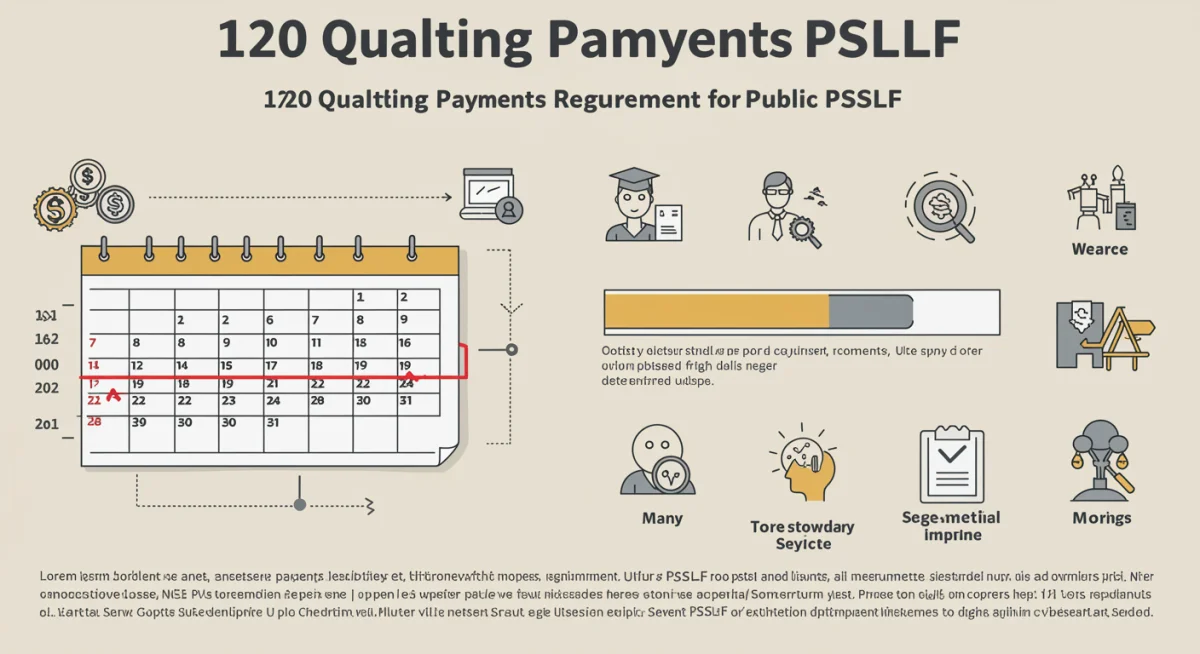
The cornerstone of the PSLF Program 2026 is the requirement of 120 qualifying monthly payments. This translates to ten years of payments while working full-time for a qualifying employer. However, simply making payments isn’t enough; they must meet specific criteria to count towards forgiveness. Understanding these nuances is critical for tracking your progress and ensuring every payment moves you closer to debt relief.
The consistency and type of payments are what truly matter. Each payment must be made on time, in full, and under a qualifying repayment plan. The new guidelines aim to provide more flexibility and clarity around what constitutes a qualifying payment, addressing some of the past rigidities that caused confusion and denied credit to deserving borrowers.
What Constitutes a Qualifying Payment?
For a payment to be considered qualifying, it must meet several conditions:
Made on an eligible Direct Loan: As previously discussed, only Direct Loans qualify.
Made under a qualifying repayment plan: This almost always means an Income-Driven Repayment (IDR) plan.
For the full amount due as shown on your bill: Payments must not be less than the amount specified.
Made no later than 15 days after your due date: Timeliness is important, though new flexibilities might offer some grace.
Made while you are employed full-time by a qualifying employer: Your employment status must be consistent throughout the payment period.
The 2026 guidelines are expected to clarify situations where payments made slightly outside these parameters might still count, particularly in cases where administrative errors or unusual circumstances occurred. This increased flexibility is a welcome change for many borrowers who previously lost credit for minor discrepancies.
Tracking Your Progress and Certifying Employment
Tracking your 120 payments is not something you should leave to chance. The Department of Education strongly recommends that borrowers submit an Employment Certification Form (ECF) annually or whenever they change jobs. This form helps the Department track your qualifying employment and payments, ensuring your records are up-to-date.
The PSLF Help Tool on the Federal Student Aid website is an invaluable resource for this. It assists you in:
Determining if your employer qualifies.
Identifying if your loans are eligible.
Helping you complete and submit the ECF.
Regularly certifying your employment allows you to receive updated counts of your qualifying payments. This proactive approach helps identify any potential issues early, giving you time to correct them rather than discovering a problem when you apply for forgiveness after ten years. The new guidelines are emphasizing the importance of this regular certification, streamlining the process even further to encourage consistent engagement from borrowers.
The journey to 120 qualifying payments can be long, but with a clear understanding of the rules and consistent tracking, it is an achievable goal. The PSLF Program 2026, with its enhanced clarity and flexibility, aims to make this journey smoother for all eligible public servants, ensuring their dedication is ultimately rewarded with student loan forgiveness.
The Application Process: Steps to Forgiveness
Once you have made your 120 qualifying payments, the final step in the PSLF Program 2026 journey is to apply for forgiveness. This stage, while exciting, requires careful attention to detail to ensure a smooth and successful outcome. The new guidelines aim to simplify this application process, reducing the potential for administrative hurdles that have historically plagued some applicants.
The application itself is relatively straightforward, but it relies heavily on accurate records and prior certifications. Preparing for this final step well in advance can prevent delays and ensure that your hard-earned payments are recognized.
Submitting Your PSLF Application
After you have made your 120th qualifying payment, you will need to submit the Public Service Loan Forgiveness (PSLF) & Temporary Expanded PSLF (TEPSLF) Certification & Application form. This form serves as your official request for forgiveness. It requires updated employment information and confirmation that you have met all the necessary criteria.
Complete the Form Accurately: Ensure all sections are filled out completely and accurately. Any discrepancies could lead to delays.
Employer Signature: Your qualifying employer(s) will need to sign off on your employment during the period you are seeking forgiveness. The new guidelines may introduce electronic signature options or more streamlined verification methods to expedite this.
Submit to Your Servicer: Once completed and signed, submit the form to your loan servicer. They will review your application and confirm your eligibility.
It’s important to remember that you must be employed by a qualifying employer at the time you submit the PSLF application and at the time the remaining balance is forgiven. This continuous employment is a key requirement for the program.
What Happens After You Apply?
Once your application is submitted, your loan servicer will review it to verify your employment and payment history. This review process can take some time, so patience is key. During this period, your loans will typically be placed in an administrative forbearance, meaning you won’t be required to make payments while your application is being processed. However, interest will not accrue during this forbearance period for PSLF applications.
If your application is approved, the remaining balance on your eligible Direct Loans will be forgiven, and you will receive notification of this discharge. If there are any issues or if your application is denied, your servicer will inform you of the reasons and provide instructions on how to appeal or rectify any problems. The new guidelines aim to make these communications clearer and more supportive, guiding borrowers through any challenges.
The application process for PSLF can seem daunting, but by meticulously tracking your payments and employment, and by understanding the steps involved, you can confidently navigate this final stage. The PSLF Program 2026 is designed to reward your public service, and a careful application ensures you receive the forgiveness you’ve earned.
Maximizing Your PSLF Benefits: Strategies for Success
Successfully achieving loan forgiveness through the PSLF Program 2026 is not just about meeting the minimum requirements; it’s also about strategically managing your loans and employment to maximize your benefits. With the new guidelines in place, there are even more opportunities to optimize your path to forgiveness. Proactive planning and consistent engagement are key to ensuring you get the most out of the program.
Many borrowers discover too late that they could have taken steps to accelerate their forgiveness or reduce their overall out-of-pocket costs. By understanding and implementing smart strategies from the beginning, you can ensure a smoother and more financially beneficial journey through PSLF.
Choosing the Right Income-Driven Repayment (IDR) Plan
Your choice of income-driven repayment (IDR) plan significantly impacts the amount you pay monthly and, consequently, the amount that will ultimately be forgiven. While all IDR plans qualify for PSLF, some may be more advantageous depending on your income, family size, and loan balance. For instance, the new SAVE (Saving on a Valuable Education) plan offers lower monthly payments for many borrowers, which means you pay less over time and have a larger amount left to be forgiven.
It’s crucial to re-evaluate your IDR plan annually, or whenever your income or family size changes. Your loan servicer can help you compare plans and choose the one that best fits your current financial situation, ensuring your payments are as low as possible while still qualifying for PSLF. This strategic review can save you thousands of dollars over the ten-year repayment period.
Consolidating Loans and Certifying Employment Early and Often
Loan Consolidation: If you have FFEL Program loans or Perkins Loans, consolidating them into a Direct Consolidation Loan as early as possible is vital. Payments made on non-Direct loans do not count towards PSLF. The new guidelines might offer some retroactive credit for past payments after consolidation, but consolidating early ensures all future payments count without question.
Regular Employment Certification: Do not wait until you’ve made all 120 payments to certify your employment. Submit the Employment Certification Form (ECF) annually or whenever you change jobs. This allows the Department of Education to track your progress and identify any issues early. The new guidelines are simplifying this process, making it easier to stay on track. Regular certification provides peace of mind and prevents potential delays at the forgiveness stage.
These proactive steps are essential for maximizing your PSLF benefits. By making informed decisions about your repayment plan, consolidating eligible loans, and consistently certifying your employment, you can significantly improve your chances of achieving full student loan forgiveness, allowing you to continue your valuable public service without the burden of debt.
Common Pitfalls and How to Avoid Them in 2026
Despite the streamlined processes and clearer guidelines introduced by the PSLF Program 2026, certain pitfalls can still derail a borrower’s path to forgiveness. Awareness of these common mistakes and proactive measures to avoid them are crucial for a successful outcome. Many past applicants faced denial due to easily preventable errors, highlighting the importance of diligence and understanding the program’s intricacies.
The goal of the new guidelines is to minimize these stumbling blocks, but borrowers still bear the responsibility of ensuring they meet all criteria. By being informed and organized, you can navigate the PSLF journey with greater confidence and avoid common setbacks.
Misunderstanding Qualifying Employment
One of the most frequent reasons for PSLF denial has been a misunderstanding of what constitutes qualifying employment. Borrowers sometimes assume their employer qualifies when it does not, or they fail to meet the full-time employment requirement. To avoid this:
Verify Employer Eligibility: Always use the PSLF Help Tool on the Federal Student Aid website to confirm your employer’s eligibility. Do this before you start working for an organization, or as soon as possible if you’re already employed.
Confirm Full-Time Status: Ensure you are working an average of at least 30 hours per week or your employer’s definition of full-time, whichever is greater. If you work multiple part-time jobs, ensure the cumulative hours meet this threshold, and each employer is qualifying.
Certify Regularly: Submit the Employment Certification Form (ECF) annually and whenever you change jobs. This ensures your employment is consistently recognized.
The 2026 guidelines aim to provide clearer definitions and more accessible tools for employer verification, but the ultimate responsibility lies with the borrower to ensure compliance.
Incorrect Loan Types or Repayment Plans
Another significant pitfall involves having ineligible loans or being on the wrong repayment plan. Payments made on non-Direct Loans or under non-qualifying plans will not count towards PSLF. This can be a devastating discovery for borrowers who have been making payments for years, only to find out they haven’t made progress towards forgiveness.
To prevent this:
Consolidate Early: If you have FFEL Program loans or Perkins Loans, consolidate them into a Direct Consolidation Loan immediately. Do not delay this step.
Enroll in an IDR Plan: Ensure you are enrolled in an income-driven repayment (IDR) plan (e.g., IBR, PAYE, REPAYE, ICR, SAVE). The Standard Repayment Plan only counts if your loan balance is high enough to still have a remaining balance after 120 payments, which is rare.
Annual IDR Recertification: Recertify your income and family size for your IDR plan every year to keep your payments accurate and qualifying. Missing this can shift you to a non-qualifying plan temporarily.
The PSLF Program 2026 offers a clear path to debt forgiveness, but it demands careful attention to detail. By understanding and actively avoiding these common pitfalls, public servants can confidently navigate the program and achieve the financial relief they deserve, allowing them to continue their vital work without the added stress of student debt.
Key Aspect
Brief Description
Qualifying Employment
Full-time for government or 501(c)(3) non-profits. Verify with PSLF Help Tool.
Eligible Loans & Plans
Direct Loans only, enrolled in an Income-Driven Repayment (IDR) plan. Consolidate early if needed.
120 Qualifying Payments
120 on-time, full payments while employed full-time by a qualifying employer.
New 2026 Guidelines
Expanded payment count adjustments and simplified employment certification.
Frequently Asked Questions About PSLF in 2026
What exactly is the PSLF Program and how does it work?▼
The PSLF Program is a federal initiative that forgives the remaining balance on Direct Loans for borrowers who work full-time for qualifying public service employers and have made 120 qualifying monthly payments. It encourages individuals to pursue and remain in public service careers by alleviating student debt burden after ten years of dedicated service.
Are there new changes to PSLF in 2026 that I should be aware of?▼
Yes, the PSLF Program 2026 includes new guidelines focusing on expanded payment count adjustments, potentially crediting previously ineligible payment periods, and a simplified employment certification process. These changes aim to make the program more accessible and equitable, addressing past complexities and making it easier for public servants to achieve forgiveness.
What types of employment qualify for PSLF?▼
Qualifying employment includes working full-time for U.S. federal, state, local, or tribal government agencies, or for tax-exempt 501(c)(3) non-profit organizations. It’s crucial to verify your employer’s eligibility using the PSLF Help Tool on the Federal Student Aid website and to submit the Employment Certification Form regularly.
Do I need a specific type of loan or repayment plan to qualify?▼
Yes, only Direct Loans are eligible for PSLF. If you have other federal loan types, you must consolidate them into a Direct Consolidation Loan. Additionally, payments must be made under an Income-Driven Repayment (IDR) plan, such as IBR, PAYE, REPAYE, ICR, or the new SAVE plan, to count towards the 120 required payments.
How do I track my progress and apply for forgiveness?▼
You should submit the Employment Certification Form (ECF) annually or whenever you change jobs to track your qualifying payments and employment. Once you’ve made 120 qualifying payments, you’ll submit the PSLF & TEPSLF Certification & Application form to your loan servicer. The PSLF Help Tool can assist with these steps.
Conclusion
The Public Service Loan Forgiveness (PSLF) Program in 2026 stands as a critical lifeline for countless individuals dedicated to public service. With its new guidelines and continued commitment to easing the burden of student debt, the program offers a tangible pathway to financial freedom after 120 qualifying payments. Understanding the nuanced requirements for eligible employment, loan types, and repayment plans is paramount, as is the proactive certification of your progress. By diligently navigating the program’s steps and leveraging the enhanced clarity provided by the 2026 updates, public servants can confidently work towards clearing their student debt, allowing them to continue their invaluable contributions to communities across the nation without financial constraint. The future of public service is brighter with these vital provisions in place, ensuring that dedication is met with deserved relief.