Crisis Intervention Programs 2026: Fast Mental Health & Substance Abuse Support
Crisis intervention programs in 2026 are crucial for providing immediate mental health and substance abuse support, ensuring individuals receive timely care within a 24-hour window to prevent further deterioration and facilitate recovery.
Crisis intervention programs in 2026 are crucial for providing immediate mental health and substance abuse support, ensuring individuals receive timely care within a 24-hour window to prevent further deterioration and facilitate recovery.
Navigating a mental health or substance abuse crisis can feel overwhelming, but help is more accessible than ever. In 2026, crisis intervention programs are designed to provide rapid, compassionate support, often within 24 hours, ensuring individuals and families receive the urgent care they need.
Understanding the Urgency: Why 24-Hour Access Matters
The immediate aftermath of a mental health or substance abuse crisis is a critical period. Delays in accessing care can exacerbate symptoms, increase risks, and prolong suffering. Recognizing this, the healthcare landscape in 2026 has significantly prioritized rapid response systems.
These systems are not just about speed; they are about providing the right care at the right time, minimizing the potential for harm and maximizing the effectiveness of early intervention. The goal is to stabilize individuals, assess their needs comprehensively, and connect them with appropriate ongoing treatment pathways.
Defining a Crisis in Mental Health and Substance Abuse
A crisis in this context refers to any situation where an individual’s mental or emotional state, or their substance use, poses an immediate risk to themselves or others, or significantly impairs their daily functioning. This can manifest in various ways, from severe panic attacks and suicidal ideation to acute intoxication or withdrawal symptoms.
Acute Distress: Intense emotional pain, anxiety, or despair.
Behavioral Changes: Sudden, drastic shifts in behavior, including aggression or withdrawal.
Self-Harm or Suicidal Ideation: Thoughts or actions indicating a desire to harm oneself.
Substance Overdose: Immediate medical emergency due to excessive substance use.
Withdrawal Symptoms: Severe physical or psychological reactions when stopping substance use.
The urgency of 24-hour access stems from the understanding that these crises can escalate quickly. Early intervention can de-escalate dangerous situations, prevent tragic outcomes, and lay the groundwork for long-term recovery. It’s about meeting people where they are, with the resources they need, precisely when they need them.
The emphasis on swift access reflects a broader societal commitment to treating mental health and substance use disorders with the same immediacy and seriousness as physical health emergencies. This shift ensures that individuals experiencing a crisis are not left waiting for help, but instead receive prompt, life-saving intervention.
Key Components of Effective Crisis Intervention Programs in 2026
Effective crisis intervention programs in 2026 are multifaceted, integrating various services and approaches to address the complex needs of individuals in crisis. These programs are designed not only to respond to immediate emergencies but also to provide pathways to sustained recovery and well-being.
At their core, these programs prioritize de-escalation, safety, and connection to ongoing care. They move beyond traditional emergency room settings, offering specialized environments and personnel equipped to handle the unique challenges of mental health and substance abuse crises.
Mobile Crisis Response Teams
Mobile crisis response teams are a cornerstone of 2026 crisis intervention. These teams, often comprising mental health professionals, peer support specialists, and sometimes law enforcement (trained in crisis intervention), respond directly to individuals in the community. Their aim is to provide on-site assessment, de-escalation, and linkage to services, reducing the need for emergency room visits or law enforcement involvement.
On-Site Assessment: Immediate evaluation of the individual’s mental state and safety risks.
De-escalation Techniques: Non-coercive methods to calm and stabilize the individual.
Referral and Linkage: Connecting individuals to appropriate follow-up care and resources.
Reduced Hospitalizations: Preventing unnecessary emergency room visits and inpatient stays.
These teams offer a compassionate and less intimidating alternative to traditional emergency services, fostering trust and engagement with individuals who might otherwise be reluctant to seek help. They represent a proactive approach to crisis management, bringing help directly to those who need it.
Another vital component is the integration of technology. Telehealth and virtual crisis support have become standard, allowing for remote assessments and consultations, especially in rural or underserved areas. This technological advancement ensures that geographical barriers do not impede access to crucial support during a crisis.
Ultimately, the effectiveness of these programs lies in their ability to provide immediate, tailored, and comprehensive support, ensuring that individuals receive the care necessary to navigate their crisis and begin a journey toward stability and recovery.
Navigating Access: How to Find Help Within 24 Hours
Finding immediate help during a mental health or substance abuse crisis can be daunting, but in 2026, systems are in place to streamline this process. Knowing where to turn and what resources are available is crucial for individuals and their loved ones seeking swift support.
The emphasis is on clear, accessible pathways to care, ensuring that no one falls through the cracks due to a lack of information or complicated procedures. This involves a combination of digital tools, dedicated hotlines, and community-based resources.
The Role of National and Local Hotlines
National crisis hotlines serve as primary entry points for immediate support. These services are available 24/7, offering confidential counseling, crisis de-escalation, and referrals to local resources. They are staffed by trained professionals who can assess the situation and guide callers to the most appropriate next steps.
988 Suicide & Crisis Lifeline: Provides 24/7 free and confidential support for people in distress.
SAMHSA National Helpline: Offers information service for individuals and families facing mental and/or substance use disorders.
Local County Mental Health Services: Many counties have their own crisis hotlines or direct access services.
These hotlines are designed to be immediate, accessible, and non-judgmental. They provide a vital first line of defense, connecting individuals with the help they need without delay. The goal is to provide a sense of immediate relief and a clear path forward.
Beyond hotlines, community mental health centers often operate walk-in crisis services or urgent care clinics specifically for mental health and substance abuse issues. These centers provide immediate assessments, short-term stabilization, and connections to ongoing treatment. They are designed to bridge the gap between an emergency and long-term care.
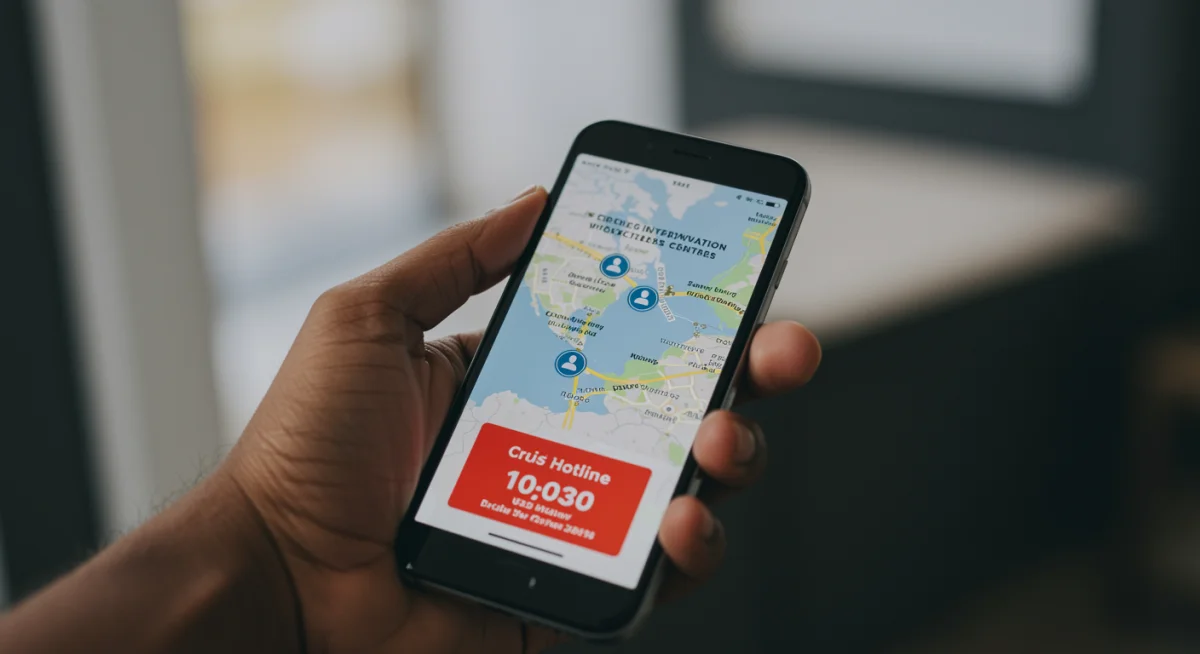
Furthermore, digital platforms and mobile applications are increasingly playing a role in connecting individuals to crisis services. These tools can help users locate nearby resources, access telehealth services, and even provide self-help strategies during moments of distress. The integration of technology ensures that help is often just a few taps away, making access more convenient and less intimidating.
Integrated Care Models: Bridging Mental Health and Substance Abuse Services
The distinction between mental health disorders and substance abuse often blurs, with co-occurring conditions being common. In 2026, crisis intervention programs increasingly adopt integrated care models, recognizing that treating these issues in isolation is less effective. This holistic approach addresses both aspects simultaneously, leading to more comprehensive and sustainable recovery.
Integrated care emphasizes seamless coordination between various providers and services, ensuring that individuals receive consistent and cohesive support. This means that when someone presents with a substance abuse crisis, their underlying mental health needs are also assessed and addressed, and vice versa.
Benefits of Co-Occurring Disorder Treatment
Treating co-occurring mental health and substance use disorders together yields significantly better outcomes. When both issues are tackled concurrently, individuals are more likely to achieve long-term sobriety, improved mental well-being, and enhanced overall quality of life. This approach prevents a cycle where one untreated condition sabotages progress in the other.
Improved Engagement: Individuals are more likely to stay in treatment when all their primary concerns are addressed.
Better Outcomes: Higher rates of sustained recovery from both mental illness and substance use.
Reduced Relapse Risk: Addressing underlying mental health issues can significantly lower the likelihood of substance relapse.
Holistic Healing: Promotes overall well-being by treating the whole person, not just isolated symptoms.
These integrated models often involve a multidisciplinary team, including psychiatrists, therapists, addiction counselors, and social workers, all working collaboratively. This team approach ensures that expertise from various fields is brought to bear on the individual’s complex needs, creating a robust support system.
The goal is to provide a ‘no wrong door’ approach, where individuals can enter the care system through either a mental health or a substance abuse pathway and still receive comprehensive evaluation and treatment for all their co-occurring conditions. This reduces barriers to access and ensures that individuals are met with understanding and appropriate care, regardless of their initial presenting issue.
The Role of Technology and Telehealth in Rapid Response
Technology continues to revolutionize healthcare, and in 2026, its impact on crisis intervention programs is profound. Telehealth and digital platforms have become indispensable tools for providing rapid, accessible, and often immediate support for mental health and substance abuse crises, especially within the crucial 24-hour window.
These technological advancements have expanded the reach of crisis services, breaking down geographical barriers and increasing convenience. They offer innovative ways to connect individuals with professionals, peer support, and vital resources, transforming how crisis care is delivered.
Virtual Crisis Hotlines and Chat Services
Beyond traditional phone hotlines, virtual crisis hotlines and chat services provide alternative communication channels for individuals in distress. These platforms allow for discreet and often less intimidating ways to seek help, appealing to those who may be hesitant to speak on the phone.
Text-Based Support: Anonymous and convenient way to communicate with crisis counselors.
Video Consultations: Enables face-to-face interaction with mental health professionals from any location.
Digital Resource Libraries: Provides immediate access to self-help tools and educational materials.
AI-Powered Triage: Some platforms use AI to help direct users to the most appropriate level of care.
Telehealth also plays a critical role in initial assessments and follow-up care. Individuals experiencing a crisis can often have a virtual consultation with a mental health professional within hours, allowing for immediate evaluation and the development of an initial care plan. This speed is vital in preventing further escalation of symptoms.
Furthermore, wearable technology and mental health apps are emerging as tools for early detection and proactive intervention. While not directly crisis response, they can alert individuals and caregivers to escalating distress, potentially preventing a full-blown crisis by prompting early engagement with support services. The combination of these technologies creates a robust, responsive, and increasingly personalized crisis intervention ecosystem.
Challenges and Future Directions for Crisis Intervention Programs
While crisis intervention programs in 2026 have made significant strides, they are not without challenges. Ensuring equitable access, adequate funding, and a well-trained workforce remain critical areas for ongoing development. Addressing these challenges is essential for the continued evolution and effectiveness of these life-saving services.
The future of crisis intervention lies in continuous innovation, policy reform, and a commitment to destigmatizing mental health and substance abuse issues. The goal is to create a system where high-quality, immediate care is a universal right, not a privilege.
Ensuring Equity and Accessibility
Despite advancements, disparities in access persist. Rural areas often lack sufficient resources, and marginalized communities may face additional barriers due to cultural insensitivity, language differences, or systemic discrimination. Future efforts must focus on tailoring services to meet the diverse needs of all populations.
Culturally Competent Care: Training providers to understand and respect diverse cultural backgrounds.
Language Access: Providing services in multiple languages to overcome communication barriers.
Rural Outreach: Expanding mobile crisis teams and telehealth services to underserved geographic areas.
Addressing Stigma: Continued public awareness campaigns to reduce the stigma associated with seeking help.
Funding remains a perennial challenge. Sustainable and increased investment in mental health and substance abuse services is crucial to expand capacity, recruit and retain qualified professionals, and implement innovative programs. Without adequate financial support, even the best-designed programs will struggle to meet demand.
Looking ahead, the integration of predictive analytics and artificial intelligence could further enhance crisis prevention. By analyzing data patterns, these technologies might be able to identify individuals at high risk of crisis, allowing for proactive outreach and support before an emergency occurs. This shift from reactive to proactive care represents a significant frontier in crisis intervention.
Ultimately, the ongoing success of crisis intervention programs depends on a collaborative effort involving government agencies, healthcare providers, community organizations, and individuals themselves. By working together, we can build a more resilient and responsive system that truly supports everyone in times of crisis.
Community Engagement and Prevention Strategies
Beyond immediate response, effective crisis intervention in 2026 places a strong emphasis on community engagement and prevention strategies. The goal is not just to react to crises but to foster environments that promote mental well-being and reduce the likelihood of crises occurring in the first place. This involves a proactive approach that empowers communities to support their members.
Community engagement initiatives aim to build resilience, increase mental health literacy, and create a strong network of support. By involving various stakeholders, from schools to local businesses, these programs weave mental health support into the fabric of daily life.
Building Resilient Communities
Resilient communities are better equipped to prevent and respond to mental health and substance abuse crises. This involves educating the public, reducing stigma, and providing accessible resources that promote early intervention and ongoing support. Prevention is a long-term investment that yields significant returns.
Mental Health First Aid Training: Equipping community members with skills to recognize and respond to mental health challenges.
School-Based Programs: Implementing mental health education and support services for youth.
Workplace Wellness Initiatives: Promoting mental well-being and stress management in professional settings.
Peer Support Networks: Creating spaces where individuals with lived experience can support each other.
Prevention strategies also include addressing social determinants of health, such as poverty, housing instability, and lack of access to healthcare. By improving these foundational elements, communities can reduce the stressors that contribute to mental health and substance abuse crises.
Furthermore, early identification and intervention are key. Programs that screen for mental health and substance use issues in primary care settings, schools, and social service agencies can identify individuals at risk before a crisis fully develops. This proactive approach allows for timely support and connection to appropriate resources, often preventing the need for emergency intervention.
Ultimately, a comprehensive crisis intervention system in 2026 understands that immediate response is just one piece of the puzzle. By investing in community engagement and robust prevention strategies, we can create a society that not only responds effectively to crises but also actively works to prevent them, fostering greater mental well-being for all.
Key Aspect
Brief Description
24-Hour Access
Ensuring immediate mental health and substance abuse support within 24 hours of a crisis.
Integrated Care
Holistic treatment addressing co-occurring mental health and substance use disorders simultaneously.
Mobile Response Teams
Professionals responding on-site to provide assessment, de-escalation, and referrals in the community.
Technology & Telehealth
Utilizing virtual hotlines, chat services, and video consultations for remote and convenient support.
Frequently Asked Questions About Crisis Intervention Programs
What constitutes a mental health or substance abuse crisis?▼
A crisis refers to any situation where an individual’s mental state or substance use poses an immediate risk to themselves or others, or significantly impairs their daily functioning. This can include severe emotional distress, suicidal thoughts, acute intoxication, or dangerous withdrawal symptoms requiring urgent attention.
How can I access crisis intervention programs within 24 hours?▼
You can access help quickly through national hotlines like 988 Suicide & Crisis Lifeline, SAMHSA National Helpline, or local county mental health services. Many areas also have mobile crisis response teams or walk-in urgent care clinics specifically for mental health and substance abuse emergencies. Online platforms and apps also offer immediate support.
What are mobile crisis response teams and how do they help?▼
Mobile crisis response teams are groups of trained mental health professionals, sometimes accompanied by peer specialists or law enforcement, who respond directly to individuals in crisis in the community. They provide on-site assessment, de-escalation, and connect individuals to appropriate services, often preventing the need for emergency room visits.
Why is integrated care important for co-occurring disorders?▼
Integrated care is crucial because mental health and substance abuse issues often co-exist. Treating both conditions simultaneously leads to better outcomes, higher rates of sustained recovery, and a reduced risk of relapse. It ensures a holistic approach, addressing the complex needs of the individual comprehensively rather than in isolation.
What role does technology play in 2026 crisis intervention?▼
Technology, including telehealth, virtual hotlines, and chat services, significantly enhances rapid response. It provides accessible, discreet, and often immediate support, overcoming geographical barriers. Digital platforms facilitate remote assessments, consultations, and offer self-help resources, making crisis care more convenient and far-reaching.
Conclusion
The landscape of crisis intervention programs in 2026 reflects a profound evolution in how mental health and substance abuse emergencies are addressed. The unwavering commitment to providing support within 24 hours underscores a societal recognition of the urgency and critical nature of these crises. Through integrated care models, innovative technological applications, and a growing emphasis on community engagement and prevention, these programs are not just reacting to emergencies, but actively building a more resilient and supportive framework for well-being. While challenges persist, the trajectory towards more accessible, equitable, and effective crisis care offers hope and tangible pathways to recovery for countless individuals and families across the United States.