LIHEAP Winter 2026: Save on Heating Bills – Don’t Miss Deadlines
The Low Income Home Energy Assistance Program (LIHEAP) for Winter 2026 offers crucial financial aid to eligible households, helping to cover heating costs and prevent utility shut-offs. Don't miss application deadlines to secure potential savings.
The Low Income Home Energy Assistance Program (LIHEAP) for Winter 2026 provides vital financial support to eligible households, offering assistance with heating costs and preventing service disconnections.
As winter approaches, the thought of rising heating bills can be a significant concern for many families. Fortunately, the Energy Assistance Programs (LIHEAP) for Winter 2026: Don’t Miss the Deadline to Save up to $500 on Your Heating Bills offers a crucial lifeline. This federal program helps low-income households manage their energy costs, ensuring warmth and safety during the coldest months. Understanding how LIHEAP works and how to apply can make a substantial difference in your household budget.
Understanding LIHEAP: A Vital Lifeline for Winter 2026
The Low Income Home Energy Assistance Program (LIHEAP) stands as a cornerstone of support for vulnerable households across the United States. It’s not just about paying a bill; it’s about providing essential relief and preventing the difficult choices between heating your home and affording other necessities like food or medicine. For Winter 2026, LIHEAP continues its mission to alleviate the burden of energy costs for those who need it most, offering a critical safety net against the harsh realities of cold weather.
This program is federally funded but administered at the state and local levels, meaning specific eligibility criteria, application periods, and benefit amounts can vary significantly depending on where you live. This localized approach ensures that the program can be tailored to meet the unique energy needs and economic conditions of different communities. However, the core objective remains consistent nationwide: to help low-income families and individuals maintain affordable home energy.
What Does LIHEAP Cover?
LIHEAP offers a range of assistance types designed to address various energy-related challenges. These services are crucial for maintaining a safe and healthy home environment, especially during extreme weather conditions.
Heating and Cooling Assistance: This is the primary component, providing direct payments to utility companies or vendors on behalf of eligible households to cover costs associated with heating or cooling homes.
Crisis Assistance: For households facing immediate energy crises, such as a utility shut-off notice or a broken furnace, LIHEAP offers emergency aid to restore or maintain service quickly.
Weatherization and Energy-Related Home Repairs: Some LIHEAP funds are allocated to help make homes more energy-efficient, reducing future energy consumption and costs. This can include insulation, weather-stripping, and minor repairs.
Energy Education: Certain programs also provide educational resources to help recipients understand their energy usage and adopt more efficient habits.
The flexibility of LIHEAP allows it to adapt to different seasonal needs, although its focus is often most prominent during the winter months due to the critical nature of heating. Understanding these various components is the first step toward leveraging the program’s full potential for your household.
In conclusion, LIHEAP is more than just a financial handout; it’s a comprehensive program designed to ensure that low-income households can afford to keep their homes warm and safe. Its state-level administration means that while the overarching goals are federal, the specific implementation and benefits are localized, necessitating a thorough understanding of your state’s particular offerings.
Eligibility Requirements: Who Qualifies for LIHEAP in Winter 2026?
Determining eligibility for LIHEAP is a crucial step for anyone considering applying for assistance. While the program is designed to help low-income households, the precise criteria can vary from state to state and even within different counties or municipalities. Generally, eligibility is based on a household’s income, size, and specific energy needs. It’s important to understand these guidelines to ascertain if your household meets the necessary qualifications for Winter 2026.
Most states use federal poverty guidelines as a baseline, often setting the income threshold at a percentage of the federal poverty level (usually 150% or 185%). However, some states might also consider other factors, such as participation in other federal assistance programs like SNAP or SSI, which can automatically qualify a household for LIHEAP. This tiered approach aims to reach those most in need while simplifying the application process for existing benefit recipients.
Income and Household Size
The primary determinant for LIHEAP eligibility is your household’s gross monthly income relative to its size. Larger families with lower incomes are typically prioritized. Each state publishes its own income guidelines, which are updated annually. It is vital to consult your state’s specific guidelines, as these can fluctuate based on economic indicators and program funding levels.
Federal Poverty Guidelines: Many states use a percentage of the federal poverty guidelines. For example, a household might qualify if its income is at or below 150% of the federal poverty level.
Household Composition: The number of individuals living in your home directly impacts the income threshold. A single individual will have a lower income limit than a family of four.
Specific State Adjustments: Some states may have higher income limits or additional criteria to broaden the reach of the program, especially in areas with higher costs of living.
It’s worth noting that even if your income is slightly above the standard threshold, you might still qualify under certain circumstances, such as if you have high energy costs relative to your income or if a household member has a medical condition requiring specific temperature controls.
Other Qualifying Factors
Beyond income and household size, other factors can play a role in determining your eligibility for LIHEAP. These often include residency status, energy burden, and whether you are responsible for paying home heating or cooling costs directly.
You must be a resident of the state in which you are applying. You do not need to be a U.S. citizen to apply, but there may be specific documentation requirements for non-citizens. Furthermore, you typically need to be responsible for paying your home energy bills, either directly to a utility company or as an unmetered tenant through your rent. Households that receive subsidized housing where energy costs are fully covered might not be eligible. Always check with your local LIHEAP office for the most accurate and up-to-date information on eligibility in your area. This ensures you have all the necessary details before starting your application.
In summary, while LIHEAP’s core mission is consistent, eligibility for Winter 2026 hinges on a combination of federal guidelines and state-specific adjustments, primarily concerning income and household size, as well as other factors like residency and energy payment responsibility.
The Application Process: How to Apply for LIHEAP Assistance
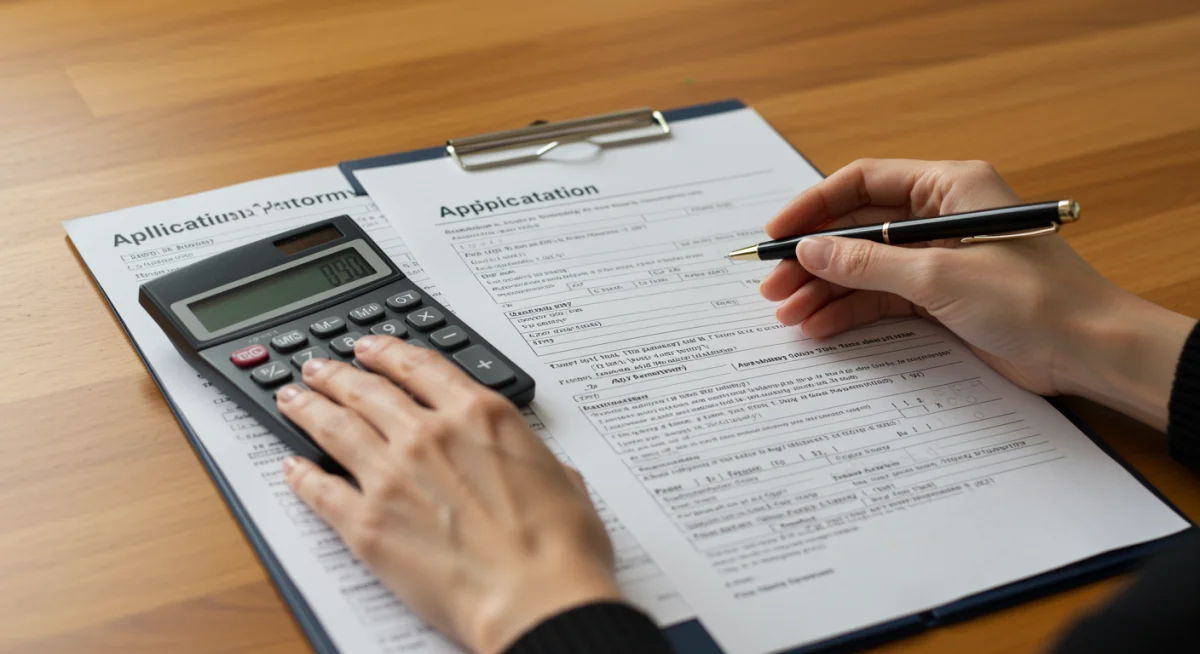
Applying for LIHEAP assistance might seem daunting, but understanding the process can streamline your efforts and increase your chances of receiving help. For Winter 2026, the application procedures will largely follow established protocols, though it’s always wise to check for any updates or changes in your specific state or local jurisdiction. The key is to be prepared, gather all necessary documentation, and submit your application well before any deadlines.
Most states administer LIHEAP through local community action agencies, social service departments, or dedicated energy assistance offices. These agencies are equipped to guide applicants through the process, answer questions, and provide support. Many states also offer online application portals, which can be a convenient option for those with internet access. However, in-person assistance is often available for individuals who prefer or require direct support.
Required Documentation
To ensure a smooth application process, it’s essential to have all required documents ready. This typically includes proof of identity, residency, income, and household composition. Missing or incomplete documentation is one of the most common reasons for application delays or rejections.
Proof of Identity: This could be a driver’s license, state ID, or other government-issued identification for all adult household members.
Proof of Residency: A utility bill with your name and address, a lease agreement, or a voter registration card.
Proof of Income: Pay stubs for the last 30 days, Social Security award letters, unemployment benefit statements, or tax returns for all household members.
Proof of Household Composition: Birth certificates for children, school enrollment records, or other documents verifying everyone living in your home.
Utility Bills: Copies of your most recent heating and/or electric bills, including any shut-off notices if applicable.
Having these documents organized and readily accessible will significantly speed up your application. It’s also advisable to make copies of everything you submit for your records.
Steps to Submit Your Application
Once you have gathered all the necessary documents, the next step is to complete and submit your application. The specific steps might vary, but generally involve:
Locate Your Local Agency: Use the official LIHEAP website or your state’s social services website to find the nearest administering office.
Obtain Application Forms: These can usually be downloaded online, picked up in person, or mailed to you upon request.
Complete the Application: Fill out all sections accurately and completely. Do not leave any fields blank; if a section does not apply, write ‘N/A’.
Attach Documentation: Include all required copies of your supporting documents.
Submit Your Application: This can often be done online, by mail, or in person. Keep a record of your submission date and any confirmation numbers.
Follow Up: If you don’t hear back within a reasonable timeframe, don’t hesitate to follow up with the agency to check the status of your application.
Applying for LIHEAP assistance requires diligence and attention to detail. By preparing your documents and understanding the submission process, you can navigate the system effectively and access the support you need for Winter 2026. Remember, local agencies are there to help, so don’t hesitate to reach out with questions.
Crucial Deadlines for Winter 2026: Don’t Miss Out
The phrase ‘don’t miss the deadline’ takes on significant importance when discussing energy assistance programs like LIHEAP. For Winter 2026, understanding and adhering to application deadlines is paramount to securing financial aid for your heating bills. Each state and even individual local agencies set their own specific windows for application, and these can vary widely. Missing a deadline could mean missing out on hundreds of dollars in potential savings, leaving households vulnerable to the cold and high energy costs.
It’s not uncommon for programs to operate on a first-come, first-served basis, or to have limited funding, making early application highly advantageous. As such, proactive engagement with your local LIHEAP office is essential. Do not wait until the coldest months arrive to inquire about assistance; by then, some application periods may have already closed, or funds may be depleted.
State-Specific Application Periods
Because LIHEAP is state-administered, there is no single national application deadline. Deadlines are typically set based on factors such as:
Anticipated Program Funding: States often open applications once funding levels are confirmed and close them when funds are projected to be exhausted.
Seasonal Needs: Application periods for heating assistance usually begin in late fall and extend into winter, but exact dates differ.
Local Administrative Capacity: Agencies need time to process applications, so deadlines are set to manage the workload effectively.
For example, some states might open their application period as early as September or October, with a final deadline in February or March. Other states might have a shorter window, or even multiple application periods for different types of assistance (e.g., heating vs. crisis aid). Always consult your state’s official LIHEAP website or contact your local energy assistance office directly for the most accurate dates for Winter 2026. This information is usually available several months in advance, allowing ample time for preparation.
Why Early Application Matters
Applying early for LIHEAP assistance offers several distinct advantages that can significantly impact whether you receive aid and how quickly it arrives.
Firstly, as mentioned, many programs operate on a first-come, first-served basis. This means that households who submit their applications early are more likely to secure funding before it runs out. Secondly, the processing time for applications can vary, especially during peak seasons. Submitting early allows more time for your application to be reviewed and processed, reducing the stress of waiting for assistance when temperatures drop. Finally, applying early gives you a buffer to address any missing documentation or correct errors without jeopardizing your chances of receiving aid. It provides an opportunity for amendments before the final cut-off, ensuring your application is complete and accurate.
In essence, being proactive and informed about the specific deadlines for LIHEAP in your area for Winter 2026 is not merely a recommendation; it is a critical strategy to ensure your household benefits from this vital program. The potential to save up to $500 on heating bills is a significant incentive to prioritize this process.
Maximizing Your LIHEAP Benefits: Beyond the Basic Grant
While LIHEAP provides essential short-term relief for heating costs, a truly sustainable approach to managing energy expenses involves long-term planning and adopting energy-efficient practices. Relying solely on assistance programs, while necessary for many, doesn’t address the root causes of high energy bills. For Winter 2026 and beyond, households should consider strategies that reduce overall energy consumption, leading to continuous savings and greater financial stability.
This proactive mindset goes beyond simply paying bills; it focuses on reducing the energy demand of your home. By taking steps to make your home more efficient, you not only lower your utility costs but also contribute to environmental sustainability. Many of these measures are low-cost or even free, making them accessible to a wide range of budgets.
Adopting Energy-Efficient Habits
Simple changes in daily habits can lead to significant reductions in energy consumption over time. These practices don’t require major investments but can yield noticeable savings on your utility bills.
Thermostat Management: Lowering your thermostat by a few degrees in winter and raising it slightly in summer can save a lot. Consider programmable thermostats to automate temperature adjustments when you’re away or asleep.
Sealing Air Leaks: Use caulk or weatherstripping to seal gaps around windows and doors. This prevents warm air from escaping in winter and cool air from entering in summer.
Appliance Use: Unplug electronics when not in use to avoid ‘phantom load’ (energy consumed even when off). Use energy-intensive appliances like dishwashers and washing machines during off-peak hours if your utility offers time-of-use rates.
Lighting: Switch to LED light bulbs, which use significantly less energy and last longer than traditional incandescent bulbs.
Educating yourself and your household members on these habits can foster a culture of energy conservation, translating into tangible savings month after month. These small actions collectively create a substantial impact on your energy footprint and budget.
Investing in Home Improvements (When Possible)
For those who can make larger investments, certain home improvements offer excellent returns in terms of energy savings. Even if immediate funds are limited, understanding these options can help in long-term financial planning or when considering future renovations.
Upgrading to energy-efficient windows, improving attic insulation, or replacing an old, inefficient furnace with a new, high-efficiency model can dramatically reduce energy consumption. Many utility companies offer rebates or incentives for such upgrades, and some states provide low-interest loans for energy-efficient home improvements. Furthermore, participating in programs like the Weatherization Assistance Program (WAP), as discussed earlier, can provide these improvements at no cost to eligible low-income households. Researching these opportunities can turn a significant upfront cost into a smart, long-term investment in your home’s energy future, further reducing reliance on programs like LIHEAP for Winter 2026 and subsequent years.
Ultimately, while LIHEAP is a vital safety net, embracing long-term energy planning and efficiency measures is the path to sustainable savings and greater control over your household budget.
Key Aspect
Brief Description
Program Overview
Federal program assisting low-income households with heating and cooling costs, preventing utility shut-offs.
Eligibility Criteria
Primarily based on household income and size, typically at or below 150-185% of federal poverty guidelines.
Application Deadlines
Vary by state and local agency; early application is crucial as funds can be limited.
Maximizing Benefits
Explore weatherization (WAP), crisis assistance, and energy education for greater savings.
Frequently asked questions about LIHEAP Winter 2026
What exactly is LIHEAP and how does it help with heating bills?▼
LIHEAP, the Low Income Home Energy Assistance Program, is a federal initiative providing financial aid to low-income households for managing heating and cooling costs. It helps prevent utility shut-offs and ensures homes remain safe and warm during winter, potentially saving eligible families hundreds of dollars.
How can I determine if I am eligible for LIHEAP assistance for Winter 2026?▼
Eligibility for LIHEAP is primarily based on your household’s income, which must typically be at or below 150-185% of the federal poverty guidelines. Household size and residency in the state where you apply are also factors. Check your state’s specific guidelines on their official LIHEAP website.
What documents do I need to apply for LIHEAP, and where can I find the application?▼
You’ll generally need proof of identity, residency, income for all household members, and recent utility bills. Application forms are usually available through your state’s LIHEAP website or local community action agencies. Some states also offer online application portals.
Why is it so important to apply early for LIHEAP, especially for Winter 2026?▼
Applying early is crucial because LIHEAP funds can be limited and often distributed on a first-come, first-served basis. Early submission increases your chances of securing assistance before funds are depleted and allows ample time for processing or correcting any application errors.
Are there other programs that can help me save on energy costs besides the direct LIHEAP grant?▼
Yes, many LIHEAP recipients may also qualify for the Weatherization Assistance Program (WAP), which helps make homes more energy-efficient, reducing long-term energy consumption. Local agencies might also offer energy education and crisis assistance for immediate emergencies.
Conclusion
The Low Income Home Energy Assistance Program (LIHEAP) for Winter 2026 remains an indispensable resource for countless households across the United States. It provides more than just financial aid; it offers peace of mind, ensuring that families can keep their homes warm and safe without compromising on other essential needs. Understanding the program’s scope, meticulously adhering to eligibility criteria, and most importantly, submitting applications well before the approaching deadlines are critical steps to harnessing its full potential. By taking proactive measures and exploring complementary programs like weatherization, households can not only secure immediate relief but also build a foundation for long-term energy sustainability and savings. Don’t let the opportunity to save up to $500 on your heating bills pass you by; engage with your local LIHEAP office today and prepare for a warmer, more secure winter.