2026 Earned Income Tax Credit: Maximize Your Refund by 20%
The 2026 Earned Income Tax Credit (EITC) offers a significant opportunity for eligible low-to-moderate income workers to reduce their tax burden and receive a substantial refund. Understanding its criteria and application process is key to maximizing this crucial financial benefit.
The 2026 Earned Income Tax Credit (EITC) is a pivotal federal tax benefit designed to support low-to-moderate-income working individuals and families by potentially offering them a significant tax refund, sometimes increasing it by up to 20%.
As we approach the 2026 tax season, understanding the 2026 Earned Income Tax Credit (EITC) is more crucial than ever for millions of American families and individuals. This powerful federal tax benefit is designed to help low-to-moderate-income workers reduce their tax burden and potentially receive a substantial refund, often increasing their financial returns by up to 20%. Navigating the complexities of tax codes can be daunting, but with the right information, you can ensure you’re claiming every dollar you’re entitled to.
Understanding the Earned Income Tax Credit (EITC)
The Earned Income Tax Credit (EITC) is one of the federal government’s largest and most effective anti-poverty tools. It’s a refundable tax credit, meaning that even if you owe no tax, you could still receive money back. This credit is specifically aimed at supporting working individuals and families with low to moderate incomes, encouraging work and helping to offset the cost of living. Its value can vary significantly based on your income, marital status, and the number of qualifying children you have, making it a dynamic and impactful benefit for many households across the United States.
What is a refundable tax credit?
A refundable tax credit is a type of tax credit that can result in a tax refund even if it reduces your tax liability below zero. Unlike non-refundable credits, which can only bring your tax liability down to $0, refundable credits can put money directly into your pocket. This is a key distinction that makes the EITC particularly valuable for lower-income taxpayers.
Direct Cash Benefit: Even if you don’t owe any taxes, you can still receive the credit as a refund.
Poverty Reduction: Proven to lift millions out of poverty annually and reduce child poverty.
Economic Stimulus: The refunds often re-enter local economies, boosting spending.
The EITC has a long history of bipartisan support due to its effectiveness in promoting self-sufficiency and economic stability. It’s not just a handout; it’s a reward for working. The credit amounts are adjusted annually for inflation, so the 2026 figures will reflect these adjustments, potentially offering an even greater benefit to eligible taxpayers. Staying informed about these changes is essential for maximizing your return.
Eligibility for the EITC can be complex, involving several factors beyond just income. These include your filing status, residency, and the age and relationship of your qualifying children. Many eligible individuals unknowingly miss out on this credit each year, highlighting the importance of thorough tax preparation and seeking professional advice if needed. The IRS actively promotes awareness of the EITC to ensure more eligible taxpayers claim their rightful benefits, recognizing its significant role in supporting working families.
Eligibility Requirements for the 2026 EITC
Determining eligibility for the 2026 Earned Income Tax Credit involves a careful review of several criteria set by the IRS. These requirements are designed to ensure the credit reaches those it’s intended to help: low-to-moderate income working individuals and families. Missing even one criterion can disqualify you, so understanding each point thoroughly is crucial for claiming this valuable benefit.
Income thresholds and limitations
One of the primary factors for EITC eligibility is your earned income and Adjusted Gross Income (AGI). For 2026, the IRS will release updated income limits, which are typically adjusted for inflation. It’s important to note that both your earned income (wages, salaries, tips, net earnings from self-employment) and your AGI must fall below certain thresholds, which vary based on your filing status and the number of qualifying children you have. Exceeding these limits, even slightly, can make you ineligible.
Earned Income: Must come from employment or self-employment. Investment income limits also apply.
AGI Limits: Specific thresholds for single filers, married filing jointly, and those with varying numbers of children.
Annual Adjustments: The IRS updates these figures yearly; refer to the official 2026 guidelines.
Beyond income, other factors play a critical role. You must have a valid Social Security number for yourself, your spouse (if filing jointly), and any qualifying children. You cannot file as ‘married filing separately.’ Additionally, you must be a U.S. citizen or resident alien all year. If you have investment income, it must not exceed a certain amount, which is also adjusted annually. These seemingly small details can have a large impact on your eligibility, so it’s vital to check every box.
Special rules apply to military personnel, clergy, and those with disabilities, which can sometimes expand eligibility or alter how income is calculated. For instance, certain disability benefits might be considered earned income for EITC purposes. It’s always recommended to consult the official IRS publications for the 2026 tax year or use their interactive EITC Assistant tool to get personalized guidance. This tool is an invaluable resource for navigating the nuances of the credit and confirming your eligibility before filing.
Qualifying Children: Definitions and Criteria
A significant portion of the 2026 Earned Income Tax Credit’s value is directly tied to whether you have qualifying children. Understanding the IRS definition of a qualifying child is paramount, as it’s not simply about having children; specific criteria must be met for each child to be counted towards your EITC. These rules ensure the credit is directed to families truly supporting dependents.
The relationship, age, residency, and joint return tests
For a child to be considered a qualifying child for EITC purposes, they must satisfy four key tests: relationship, age, residency, and joint return. Each test is designed to clearly define who qualifies as a dependent for this credit. Failure to meet any of these tests for even one child means that child cannot be claimed for EITC purposes, potentially reducing your maximum credit amount.
Relationship Test: The child must be your son, daughter, stepchild, foster child, brother, sister, half-brother, half-sister, stepbrother, stepsister, or a descendant of any of them.
Age Test: The child must be under age 19 at the end of the tax year, or under age 24 if a full-time student, or any age if permanently and totally disabled. They must also be younger than you (and your spouse, if filing jointly).
Residency Test: The child must have lived with you in the United States for more than half of the tax year.
Joint Return Test: The child cannot file a joint return for the year, unless it was filed only to claim a refund of withheld income tax or estimated tax paid.
It’s common for divorced or separated parents to face complexities regarding who can claim a child for EITC. Generally, only one person can claim a child as a qualifying child for EITC purposes. If both parents meet the criteria, the parent with whom the child lived for the longer period during the year is usually the one who can claim the child. If the child lived with each parent for the same amount of time, the parent with the higher AGI can claim them. Clear communication and understanding of these rules can prevent disputes and ensure the credit is correctly claimed.
The IRS takes EITC claims very seriously, and errors related to qualifying children are among the most common reasons for audits or delays in processing refunds. Therefore, maintaining accurate records, such as school records, medical records, or other documents proving residency, can be beneficial. If your family situation is complex, such as having multiple eligible claimants for the same child, seeking advice from a tax professional can help ensure compliance and maximize your legitimate credit.
Calculating Your 2026 EITC: What to Expect
The 2026 Earned Income Tax Credit amount you receive is not a fixed sum; it’s calculated based on a sliding scale that considers your earned income, Adjusted Gross Income (AGI), and the number of qualifying children you have. This means that as your income increases, the credit amount can also increase up to a certain point, then it begins to phase out. Understanding this calculation mechanism is key to accurately estimating your potential refund.
The phase-in and phase-out ranges
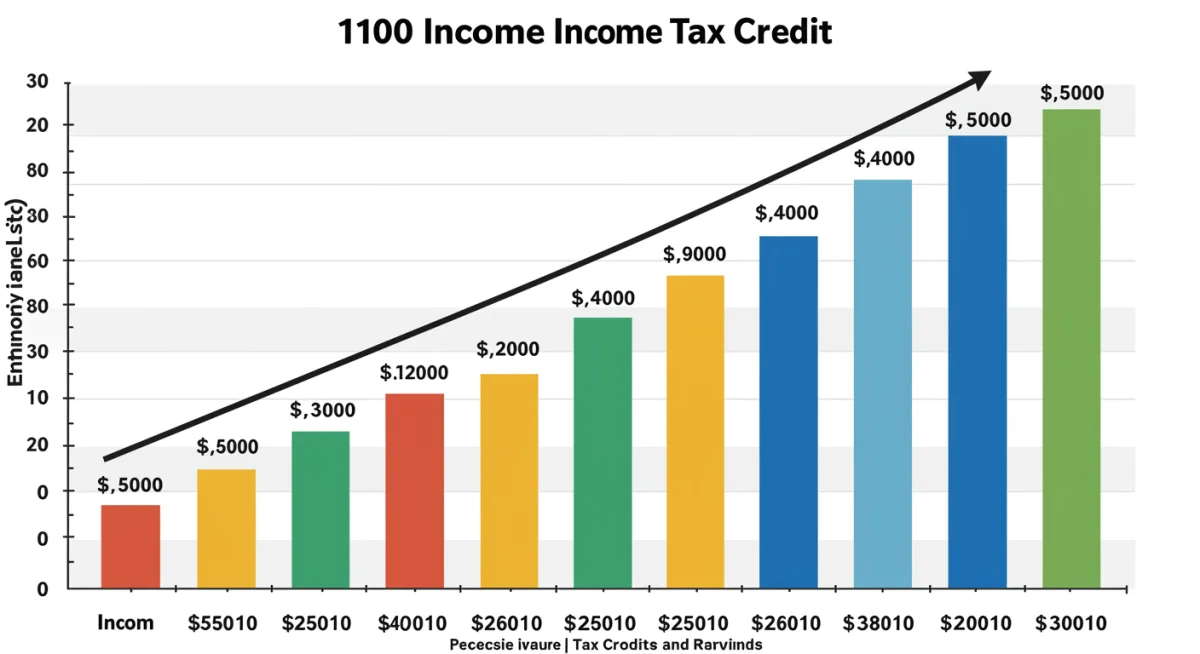
The EITC calculation involves two main phases: the phase-in and the phase-out. During the phase-in range, as your earned income increases, your EITC also increases. This is designed to encourage work. Once your income reaches a certain maximum credit amount, the credit plateaus. After that, as your income continues to rise, your EITC begins to gradually decrease, eventually phasing out completely once your income exceeds the upper limit for your filing status and number of children. These ranges are adjusted annually for inflation, so the 2026 figures will be slightly different from previous years.
Phase-in: EITC increases with each additional dollar of earned income.
Maximum Credit: The point where the EITC reaches its highest value.
Phase-out: EITC gradually decreases as income exceeds the maximum credit threshold.
For individuals without qualifying children, the maximum EITC is significantly lower than for those with children. The credit amount increases substantially with one child, then again with two, and reaches its highest for taxpayers with three or more qualifying children. This progressive structure underscores the EITC’s focus on supporting larger families and those with greater financial needs. It’s crucial to use the most up-to-date IRS tables or software for 2026 to get an accurate estimate, as even small changes in income or family structure can affect the final credit amount.
Many online tax preparation software programs and tax professionals have built-in EITC calculators that can help you determine your eligibility and estimated credit amount. The IRS also provides an EITC Assistant tool on its website, which is an excellent resource for a preliminary calculation. While these tools can provide a strong estimate, always double-check your figures and consider consulting a tax expert, especially if your financial situation is complex or you are claiming the EITC for the first time. Accuracy in reporting income and dependents is paramount to avoid delays or issues with your refund.
How to Claim the 2026 EITC: Step-by-Step Guide
Claiming the 2026 Earned Income Tax Credit might seem complex, but by following a straightforward process, you can ensure you receive the maximum benefit you’re entitled to. The key is careful preparation, accurate reporting, and choosing the right filing method. Don’t let the paperwork deter you from claiming a credit that could significantly boost your tax refund.
Gathering necessary documents and filing options
Before you begin, gather all relevant financial documents. This includes W-2 forms from employers, 1099 forms for self-employment income, any unemployment compensation statements, and records of investment income. If you have qualifying children, ensure you have their Social Security numbers and any documents that prove their residency with you for more than half the year. Having these documents organized beforehand will streamline the filing process and minimize errors.
Income Statements: W-2s, 1099-NEC, Schedule K-1, etc.
Social Security Numbers: For yourself, spouse, and all qualifying children.
Residency Proof: School records, medical bills, or other documents for children.
Bank Account Information: For direct deposit of your refund.
Once your documents are ready, you have several options for filing your tax return and claiming the EITC. Many eligible taxpayers can use free tax preparation services. The IRS offers Free File, which allows individuals with incomes below a certain threshold to prepare and e-file their federal tax returns using guided tax software. Volunteer Income Tax Assistance (VITA) and Tax Counseling for the Elderly (TCE) programs also provide free tax help to qualifying individuals, often with a focus on EITC claims.
If you prefer to use paid tax preparation services or commercial tax software, ensure that your tax preparer is reputable and understands the nuances of the EITC. Be wary of preparers who charge a percentage of your refund or make unrealistic promises. Always review your completed return carefully before signing to confirm all information is accurate, especially regarding your income and qualifying children. Incorrectly claiming the EITC can lead to penalties and future disqualification, so accuracy is paramount.
Common Mistakes to Avoid When Claiming EITC
While the 2026 Earned Income Tax Credit offers significant financial relief, many eligible taxpayers make common mistakes that can lead to delays, reduced refunds, or even audits. Being aware of these pitfalls can help you navigate the filing process smoothly and ensure you receive the full credit you deserve without complications. Proactive attention to detail is your best defense against errors.
Incorrectly reporting income or dependents
One of the most frequent errors is misreporting income. This can include not reporting all earned income, such as cash payments or tips, or incorrectly calculating self-employment income. The IRS cross-references income reported on tax returns with information from employers and other payers, so discrepancies can quickly flag your return for review. Always ensure all sources of income are accurately accounted for and reported on the correct forms.
Underreporting Income: Missing income sources like cash tips or freelance earnings.
Overreporting Income: Incorrectly including non-taxable income as earned income.
Incorrect AGI: Errors in calculating Adjusted Gross Income, which impacts credit amount.
Another major source of errors relates to qualifying children. Taxpayers sometimes claim children who do not meet all the relationship, age, residency, or joint return tests. This can happen if a child lives with you for less than half the year, if they are too old, or if they file their own joint return. In cases of shared custody, only one parent can claim the child for EITC purposes, and disputes can lead to both parents having their claims denied. It’s crucial to be absolutely certain that each child meets all the criteria before claiming them.
Filing status errors are also common. For instance, filing as ‘single’ when you are legally married and should file as ‘married filing jointly’ (or vice versa) can affect your EITC eligibility and amount. Additionally, not having a valid Social Security number for yourself, your spouse, or your qualifying children is an absolute disqualifier. The IRS takes these details seriously to prevent fraud and ensure proper distribution of benefits. If you’re unsure about any aspect of your eligibility or calculation, seeking assistance from a qualified tax professional or using IRS-approved software is highly recommended to avoid costly mistakes.
Maximizing Your 2026 EITC and Other Benefits
Beyond simply claiming the 2026 Earned Income Tax Credit, there are strategies and considerations that can help you maximize its benefit and ensure you’re taking advantage of all available tax breaks. The EITC often works in conjunction with other credits and programs, creating a more substantial financial impact for eligible individuals and families. A holistic approach to tax planning can yield the best results.
Combining EITC with other tax credits and savings
The EITC can be combined with other refundable tax credits, such as the Child Tax Credit (CTC) or the Additional Child Tax Credit (ACTC), further increasing your potential refund. For example, if you qualify for both the EITC and the CTC, your overall refund could be significantly larger than if you only claimed one. Understanding how these credits interact and stack is crucial for comprehensive tax planning.
Child Tax Credit (CTC): Eligible families may receive up to $2,000 per qualifying child, with up to $1,600 being refundable (ACTC).
Credit for Other Dependents: A non-refundable credit for dependents who don’t qualify for the CTC.
Education Credits: Credits like the American Opportunity Tax Credit or Lifetime Learning Credit can reduce tax liability for those pursuing higher education.
Another important aspect of maximizing your EITC is proper record-keeping throughout the year. Maintaining detailed records of all income, expenses (especially for self-employed individuals), and documents related to your dependents can simplify tax preparation and prevent issues. This includes pay stubs, bank statements, and any official correspondence from employers or government agencies. Good record-keeping is not just for EITC; it’s a best practice for all tax filers.
Consider using tax planning strategies, such as adjusting your tax withholdings during the year, particularly if your income or family situation changes. While the EITC is received at tax time, proper withholding can ensure you have more take-home pay throughout the year, rather than waiting for a large refund. Additionally, exploring options like contributing to an Individual Retirement Arrangement (IRA) can reduce your AGI, which might qualify you for a higher EITC or make you eligible if you were just above the income threshold. These proactive measures can help you optimize your financial standing both during the year and at tax time.
Future Outlook and Changes to the EITC in 2026
As we look ahead to 2026, it’s important to consider any potential legislative changes or economic factors that might influence the Earned Income Tax Credit. While the core principles of the EITC remain stable, Congress periodically reviews and modifies tax laws, and economic conditions can affect the inflation adjustments to credit amounts and income thresholds. Staying informed about these potential shifts is vital for accurate tax planning.
Potential legislative adjustments and economic impacts
Historically, the EITC has seen various expansions and contractions, often tied to economic stimulus packages or specific policy goals related to poverty reduction and family support. While no major overhauls are definitively planned for 2026 at this moment, legislative discussions around social safety nets and economic stimulus are ongoing. Any changes could affect eligibility, credit amounts, or even the definition of a qualifying child or earned income. Taxpayers should monitor official IRS announcements and reputable financial news sources for updates.
Inflation Adjustments: Annual increases to income thresholds and maximum credit amounts.
Policy Debates: Ongoing discussions in Congress regarding the scope and reach of social programs.
Economic Conditions: Broader economic trends can influence the political will for EITC expansions or limitations.
The economic climate of 2026 will also play a role. Inflation rates directly impact the annual adjustments made to the EITC’s income limits and maximum credit values. Higher inflation generally means higher income thresholds, potentially allowing more people to qualify or increasing the credit for those already eligible. Conversely, a stable or deflationary environment might lead to more modest adjustments. These economic indicators are critical to understanding the practical value of the EITC in any given year.
Furthermore, increased efforts to educate the public about the EITC and simplify its claiming process are likely to continue. The IRS and various non-profit organizations work tirelessly to reach eligible taxpayers who might not be aware of the credit. Technology could also play a greater role, with improved online tools and resources to help taxpayers determine eligibility and file their returns. By proactively seeking out information and utilizing available resources, you can ensure you are well-prepared for the 2026 tax season and can fully leverage the benefits of the Earned Income Tax Credit.
Key Aspect
Brief Description
Eligibility
Based on earned income, AGI, filing status, and number of qualifying children. Must have valid SSN.
Qualifying Children
Must meet relationship, age, residency, and joint return tests. Specific rules apply.
Credit Calculation
Involves phase-in and phase-out ranges, adjusted annually for inflation. Varies by number of children.
Maximizing Benefits
Combine with other credits, maintain accurate records, and consider professional tax help.
Frequently Asked Questions About the 2026 EITC
Who is eligible for the 2026 Earned Income Tax Credit (EITC)?▼
Eligibility for the 2026 EITC primarily depends on your earned income, Adjusted Gross Income (AGI), and filing status. You must have a valid Social Security number and generally must be a U.S. citizen or resident alien. Specific income thresholds apply, which are adjusted annually for inflation and vary based on whether you have qualifying children.
How much can I expect to receive from the 2026 EITC?▼
The amount of your 2026 EITC varies significantly. It’s calculated based on your income, filing status, and the number of qualifying children you have. The credit increases with income up to a certain point, then phases out. For exact figures, you’ll need to consult the official 2026 IRS guidelines or use their EITC Assistant tool, as amounts are adjusted annually.
What if I don’t have qualifying children? Can I still claim the EITC?▼
Yes, you can still claim the EITC even if you don’t have qualifying children. However, the maximum credit for individuals without children is substantially lower than for those with children. You must meet specific age requirements (usually between 25 and 64 at the end of the tax year) and other general eligibility criteria.
What documents do I need to claim the 2026 EITC?▼
To claim the 2026 EITC, you’ll need income statements like W-2s or 1099s, Social Security numbers for yourself, your spouse, and any qualifying children. If applicable, you might also need records proving residency for your children. Organized documentation will help ensure an accurate and timely claim.
Can I claim the EITC if I am self-employed?▼
Yes, self-employed individuals can claim the EITC if they meet all other eligibility requirements. Your net earnings from self-employment are considered earned income for EITC purposes. You will need to file Schedule C (Form 1040) or Schedule F (Form 1040) to report your self-employment income and expenses.
Conclusion
The 2026 Earned Income Tax Credit stands as a vital pillar of financial support for working individuals and families across the United States. By carefully understanding its eligibility requirements, the definitions of qualifying children, and the intricacies of its calculation, taxpayers can significantly maximize their refunds, potentially increasing them by up to 20%. Proactive preparation, meticulous record-keeping, and the willingness to seek professional guidance when faced with complex situations are all crucial steps in ensuring you receive every dollar you’re entitled to from this powerful federal benefit. As tax laws evolve, staying informed through official IRS channels and reputable resources will empower you to navigate the tax landscape effectively and secure your financial well-being.